Stakeholders in the built sector have lamented that stringent housing policies and bureaucratic bottlenecks among others are partly responsible for Nigeria’s housing deficit and are significant barriers to homeownership in the country.
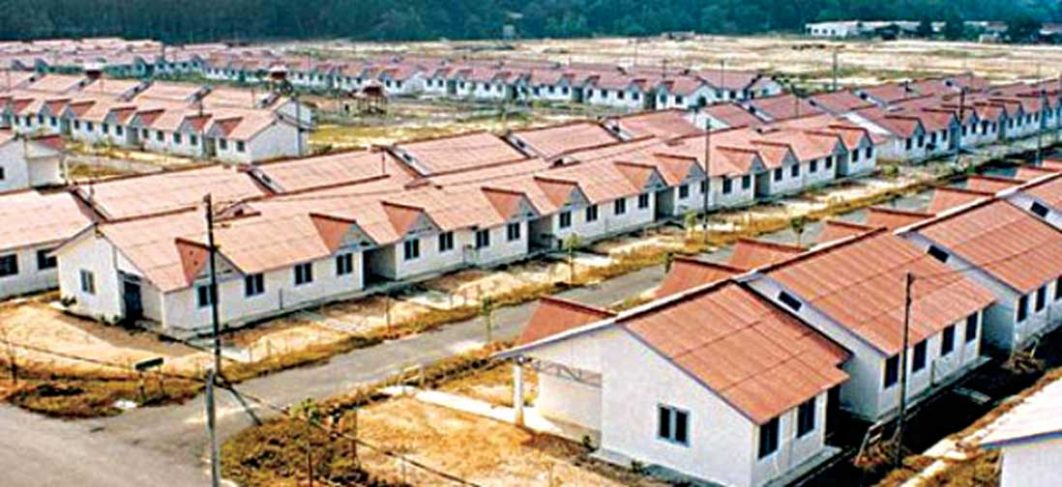
Recent data from the Central Bank of Nigeria (CBN) reveals a staggering housing deficit of 28 million units in Nigeria, highlighting a critical challenge in the country’s real estate sector. The persistent rise in housing demand, coupled with stringent government policies, has significantly hindered home ownership for the majority of Nigerians.
Experts say only 10 per cent of those aspiring to own a home can afford it, contrasting starkly with global homeownership rates. The pressing need for affordable housing solutions remains key to addressing this crisis and boosting the economic development of Nigeria.
President of the Nigerian Institute of Architecture, Mobolaji Adeniyi, in a telephone conversation with our correspondent, revealed that for Nigeria to successfully break out of its housing deficits, a number of bottlenecks need to be cleared.
She lamented that, presently, land ownership and title issues have become complex and the process of acquiring land titles as well as registering properties have continued to be cumbersome, leading to widespread uncertainties and disputes for citizens who need homes of their own.
The president of the institute, who stressed that high interest rates and limited access to affordable mortgage financing are also making it difficult for many to purchase homes, equally argued that strict regulations are responsible for the overly restrictive building codes, zoning laws, and permit requirements that lead to lengthy approval processes and increased costs for many Nigerians.
While calling for reform of the housing laws, Mobolaji also frowned at the upsurge of corruption and bureaucratic delays in the sector, describing it as the reason for prolonged processing times for land documents, bribery, and extortion, thereby discouraging potential homeowners and developers. She mentioned other barriers to include limited access to affordable housing programmes caused by the inadequate government initiatives and support for low-income housing programmes.
The architect added that the high cost of building materials, lack of transparency and accountability, coupled with inadequate public information, unclear policies and unaccountable officers are also responsible for the mess in the built sector and suggested that reforms and policy changes are the necessary actions needed to address these challenges.
The managing director of the Federal Mortgage Bank of Nigeria, FMBN, Shehu Osidi, while responding to the challenges of mortgage financing and the need to resuscitate the bank for optimal performance, lamented that a major challenge faced by his bank is that a large percentage of its funds are tied down to many abandoned projects all over the country.
He said the FMBN is presently working hard to facilitate the completion and delivery of those projects so they can be handed over to off-takers within the shortest possible time to avoid waste of investment.
“The FMBN has financed projects all over the country and some of these estates and projects have been abandoned with huge capital tied down on them. Our analysis of those projects indicates that there are occasions where the Bank went into partnership with state governments with the state governments promising to deliver infrastructure so that the bank can finance the construction of the houses, but in many of those estates, the bank went ahead to construct those houses but the states governments at the time failed to provide the agreed infrastructure,” he said.
A highly reputable estate surveyor, with the Nasarawa State Compensation Assessment Team, who preferred not to be mentioned by name also considered the cost of building materials and land as major challenges faced by Nigerians in their quest for home ownership.
She argued that land that could go for N200,000 within Mararaba or Lafia had now moved up to over N2 million in value.
The estate surveyor, who said the cost of houses, is on the high side due to the cost of building materials and land, also explained that before now, someone could build a home with a budget of N2 million and stressed that presently such houses could cost above N10 million.
She added that high cost and inadequate finance are responsible for the actions of most citizens who engage the services of quack engineers or architects at the expense of professionals, who they feel are beyond what they can afford, thereby putting their lives, those of their families and neighbours at risk.
We’ve got the edge. Get real-time reports, breaking scoops, and exclusive angles delivered straight to your phone. Don’t settle for stale news. Join LEADERSHIP NEWS on WhatsApp for 24/7 updates →
Join Our WhatsApp Channel