
With about 50 days to the March 31, 2026 deadline set for commercial, non-interest and merchant banks in the country to comply with the new recapitalisation directive, many of those yet to comply are looking towards cutting their coat according to their cloth.
The Central Bank of Nigeria (CBN) had in 2024 set a new capital base for commercial banks, with international authorisations at N500 billion, up from N50 billion, national banks at N200 billion, up from N25 billion, and regional banks at N50 billion, up from N10 billion.
Merchant banks are also required to shore up their capital to N50 billion, up from N15 billion, and non-interest banks with a national licence are now to have a capital base of N20 billion, up from N10 billion. For regional non-interest banks, they are now to have a capital base of N10 billion, up from N5 billion.
Presently, about 25 of the 38 banks that are facing the recapitalisation hurdle seem to have scaled through, with some others still under pressure to either downgrade their licence or merge. Many of those affected are the smaller banks and those under CBN management, usually referred to as the legacy banks.
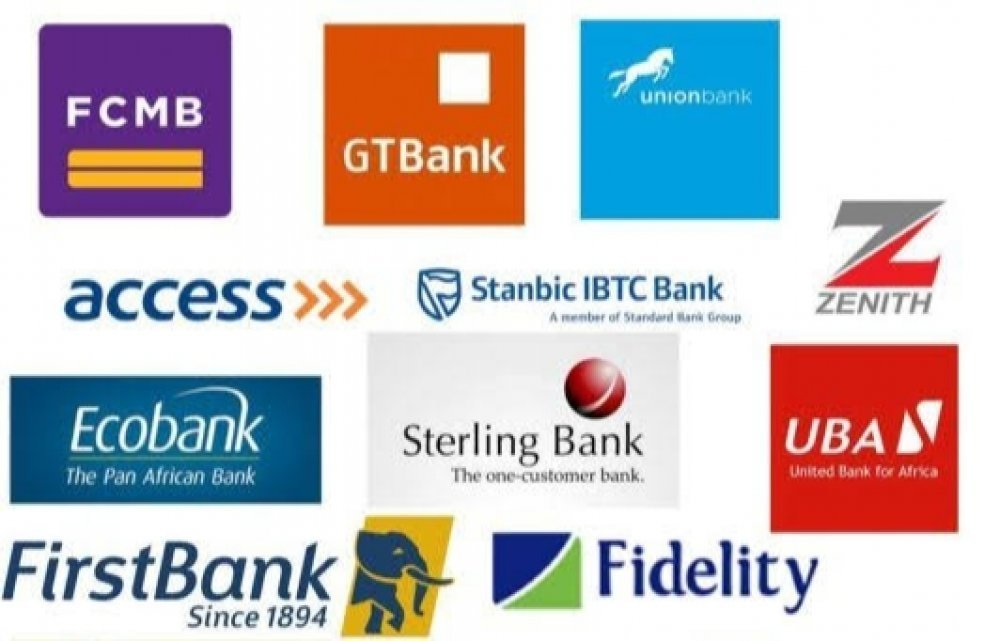
So far, of the 28 commercial banks, 17 have met the new capital base, with some downgrading their licence to stay in the game. Six banks, Access Bank, Zenith Bank, Guaranty Trust Bank, First Bank of Nigeria, Fidelity Bank and United Bank for Africa, maintained their international banking licence.
First City Monument Bank opted for a national licence as a placeholder whilst it raises more capital to meet the international banking licence, joining other banks, Sterling Bank, Ecobank Nigeria, Stanbic IBTC, PremiumTrust Bank, Citibank Nigeria, Standard Chartered Bank Nigeria, Providus Bank, Wema Bank and Globus Bank at the national level.
Nova Bank downgraded from a national bank to regional, having met the N50 billion minimum capital requirement for the regional licence. All the five non-interest banks, Jaiz, Taj, Lotus, Summit and The Alternative banks, also met the threshold for their licence.
While the merger between Unity Bank and Providus is still ongoing, for Union Bank there seems to be prospective foreign investment, with interest reportedly coming from the United Arab Emirates (UAE).
The bank is also awaiting the resolution of a long-running legal dispute with a former key investor, the TGI Group, a development expected soon. This pending resolution leaves the institution with a narrow window to complete its capital restructuring ahead of the regulatory deadline.
The fate of two other legacy banks also hangs in the balance, with sources saying the apex bank was weighing the most feasible and least impactful final exit plan for the round-off of the banking recapitalisation.
Keystone Bank is attracting competing investor interest, including a local consortium aiming for preferred-bidder status. While the capacity of local investors to raise the required capital independently remains uncertain, market awareness of foreign interest hints at the possibility of a joint acquisition, though such a move appears less likely.
Polaris Bank, on the other hand, is expected to pursue an investor-led recapitalisation or potentially merge with another Tier-2 bank, with market intelligence pointing to Wema Bank as a likely partner. Analysts view this as a step that could support broader industry consolidation and strengthen institutional resilience.
So far, only three of the five merchant banks have crossed the hurdle, leaving two merchant banks and seven commercial banks in the race, with the prospect of either raising more funds to meet the capital base, merging or folding.
We’ve got the edge. Get real-time reports, breaking scoops, and exclusive angles delivered straight to your phone. Don’t settle for stale news. Join LEADERSHIP NEWS on WhatsApp for 24/7 updates →
Join Our WhatsApp Channel