• Hausa Edition
  • Podcast
  • Conferences
  • LeVogue Magazine
  • Business News
  • Print Advert Rates
  • Online Advert Rates
  • Contact Us
Wednesday, November 19, 2025
Leadership Newspapers
Read in Hausa
  • Home
  • News
  • Politics
  • Business
  • Sport
    • Football
  • Health
  • Entertainment
  • Education
  • Opinion
    • Editorial
    • Columns
  • Others
    • LeVogue Magazine
    • Conferences
    • National Economy
  • Contact Us
No Result
View All Result
  • Home
  • News
  • Politics
  • Business
  • Sport
    • Football
  • Health
  • Entertainment
  • Education
  • Opinion
    • Editorial
    • Columns
  • Others
    • LeVogue Magazine
    • Conferences
    • National Economy
  • Contact Us
No Result
View All Result
Leadership Newspapers
No Result
View All Result

73.3% Of Nigerians Reject Electricity Tariff Hike, Subsidy Removal – Poll

by Toby Moses
7 months ago
in News
Share on WhatsAppShare on FacebookShare on XTelegram

RELATED NEWS

Organisation Rallies African Countries On Trade Investment Partnership

Reps Vow To Block Oil Revenue Leakages

Ekondo Microfinance Bank, Association Partner On Loan Products

13-year-old Seth Wins UBA National Essay Competition

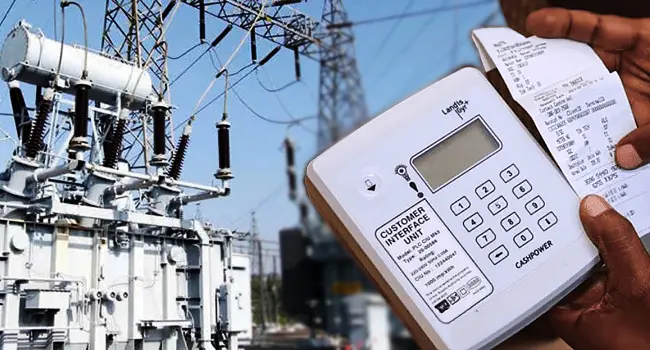
Nigeria’s electricity tariff hike, with a 300 per cent increase for Band A customers, has sparked concern as power remains unreliable. Despite subsidy removal to cut costs, businesses and households still rely on costly alternatives. Critics argue the policy worsens economic hardship without improving supply, urging the government to reconsider its approach.

Advertisement

BusinessDay’s April 2025 TalkExchange poll has revealed that most Nigerians are against the recent increase in electricity tariffs for high-usage consumers and the reduction of government subsidies on electricity. The data reflects growing concerns over affordability, fairness, and the effectiveness of these reforms

According to the poll, 73.3 per cent of respondents said they do not support the recent tariff hike or the reduction in subsidies. Only 24.4 per cent expressed support, while 2.2 per cent were unsure.

Advertisement

The impact on households and businesses is evident. When asked whether the new tariff has made electricity more difficult to afford, 60 per cent said it had become “much more difficult,” while 28.9 per cent said it was “somewhat more difficult.” Only 8.9 per cent reported no change, and a mere 2.2 per cent said electricity had become easier to afford.

Concerns about Nigeria’s long-term economic future were also addressed. While 33.3 per cent agreed that reducing subsidies and increasing tariffs is necessary for economic stability, a larger share—57.8 per cent—disagreed. Another 8.9 per cent were undecided.

SendShareTweetShare

OTHER NEWS UPDATES

Empowering Digital Ownership: Holiverse’s Vision for Africa’s Blockchain Evolution
News

Organisation Rallies African Countries On Trade Investment Partnership

39 seconds ago
Missing Crude: CSOs Dismiss Whistleblower’s Claims, Allege Extortion Attempts
Business

Reps Vow To Block Oil Revenue Leakages

2 minutes ago
Ekondo Microfinance Bank, Association Partner On Loan Products
Business

Ekondo Microfinance Bank, Association Partner On Loan Products

3 minutes ago
Advertisement
Leadership join WhatsApp

LATEST UPDATE

Organisation Rallies African Countries On Trade Investment Partnership

39 seconds ago

Reps Vow To Block Oil Revenue Leakages

2 minutes ago

Ekondo Microfinance Bank, Association Partner On Loan Products

3 minutes ago

13-year-old Seth Wins UBA National Essay Competition

5 minutes ago

Maritime Agency Slaps N5m Fine On Unregistered Dock Employers

6 minutes ago
Load More

© 2025 Leadership Media Group - All Rights Reserved.

No Result
View All Result
  • Home
  • News
  • Politics
  • Business
  • Sport
    • Football
  • Health
  • Entertainment
  • Education
  • Opinion
    • Editorial
    • Columns
  • Others
    • LeVogue Magazine
    • Conferences
    • National Economy
  • Contact Us

© 2025 Leadership Media Group - All Rights Reserved.