As the federal government moves to deliver 77,400 social homes nationwide, informal workers fear they could be excluded from the Renewed Hope Social Housing Programme because of high housing costs, limited knowledge of government-backed loans and mortgage eligibility requirements.
For Mercy John, a food seller at the Federal Secretariat in Abuja, owning a house remains a distant dream, not only because of the cost of property but also because she does not know how to access government-backed housing loans.
For Pwausoko James, a federal civil servant living in Mararaba, Nasarawa State, the challenge is how to save towards homeownership while struggling to pay rent, feed her family, transport her children and meet other essential expenses.
And for Usman Jubril, a mechanic in Apo, Abuja, the concern is whether government-backed housing schemes can accommodate people whose earnings fluctuate and who may struggle to meet conventional mortgage requirements.
Their concerns highlight the challenge facing the federal government as it seeks to provide 77,400 social homes under the Renewed Hope Social Housing Programme: ensuring that the people who need affordable housing most can actually access it.
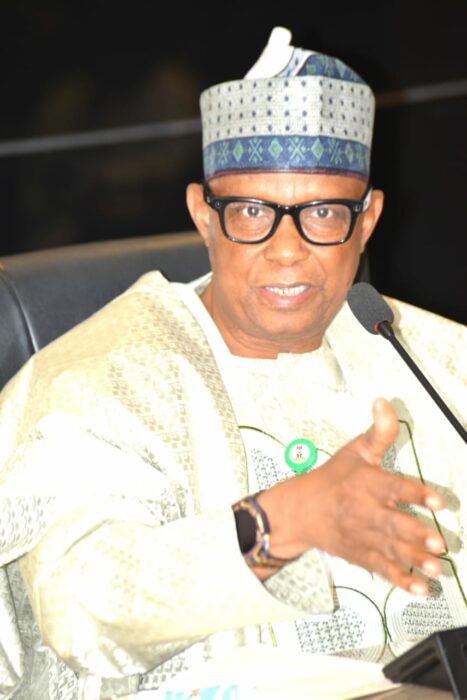
Minister of Housing and Urban Development, Engr. Dr. Muttaqha Rabe Darma, said the Federal Mortgage Bank of Nigeria (FMBN) had been directed to make housing finance more accessible, particularly to workers in the informal sector.
Speaking at the 15th National Council on Lands, Housing and Urban Development in Sokoto, the minister said FMBN had been directed to allocate between 30 and 40 per cent of its mortgage bookings to the informal sector.
The bank is also expected to disburse at least 70 per cent of the previous year’s National Housing Fund contributions annually through mortgages. Its target is to provide 2,000 mortgages in 2026, increasing to 5,000 by 2028.
The government also plans to raise the maximum FMBN mortgage loan from ₦50 million to ₦85 million by 2028.
Other proposed reforms include improving land title and registration processes, establishing digital land registries, introducing a National Housing and Built Environment Regulation Policy, licensing developers and requiring escrow arrangements to protect homebuyers’ funds.
The government also plans to establish a National Housing Data Programme and conduct a National Urban Slum Census to improve housing planning and delivery.
Under the social housing initiative, estates are expected to have essential infrastructure, including electricity, water, health posts, classrooms and tarred access roads. The broader target is to provide 100 housing units in each of Nigeria’s 774 local government areas.
However, the programme’s success will depend not only on the number of homes delivered but also on whether informal workers and other low-income earners can meet the conditions for accessing them.
The Sultan of Sokoto, Alhaji Muhammad Sa’ad Abubakar III, called for collaboration among stakeholders to address the country’s housing challenges.
The council, held from October 12 to 16, 2026, had the theme: “Strengthening Mortgage, Land and Institutional Systems for Accelerated and Inclusive Housing Delivery.”
We’ve got the edge. Get real-time reports, breaking scoops, and exclusive angles delivered straight to your phone. Don’t settle for stale news. Join LEADERSHIP NEWS on WhatsApp for 24/7 updates →
Join Our WhatsApp Channel