The state of Nigeria’s health facilities are not as desirable as they should be. Even less desirable is Nigerians response to what ought to be a real cause for worry.
Typically, the approach to what is essentially a national malaise has been an attitude of taking the easy way out – medical tourism with the negative effect it is having on the nation’s resources. Money that should go to updating the healthcare system for the benefit of the majority, is wasted on seeking remedies that otherwise would have been available locally.
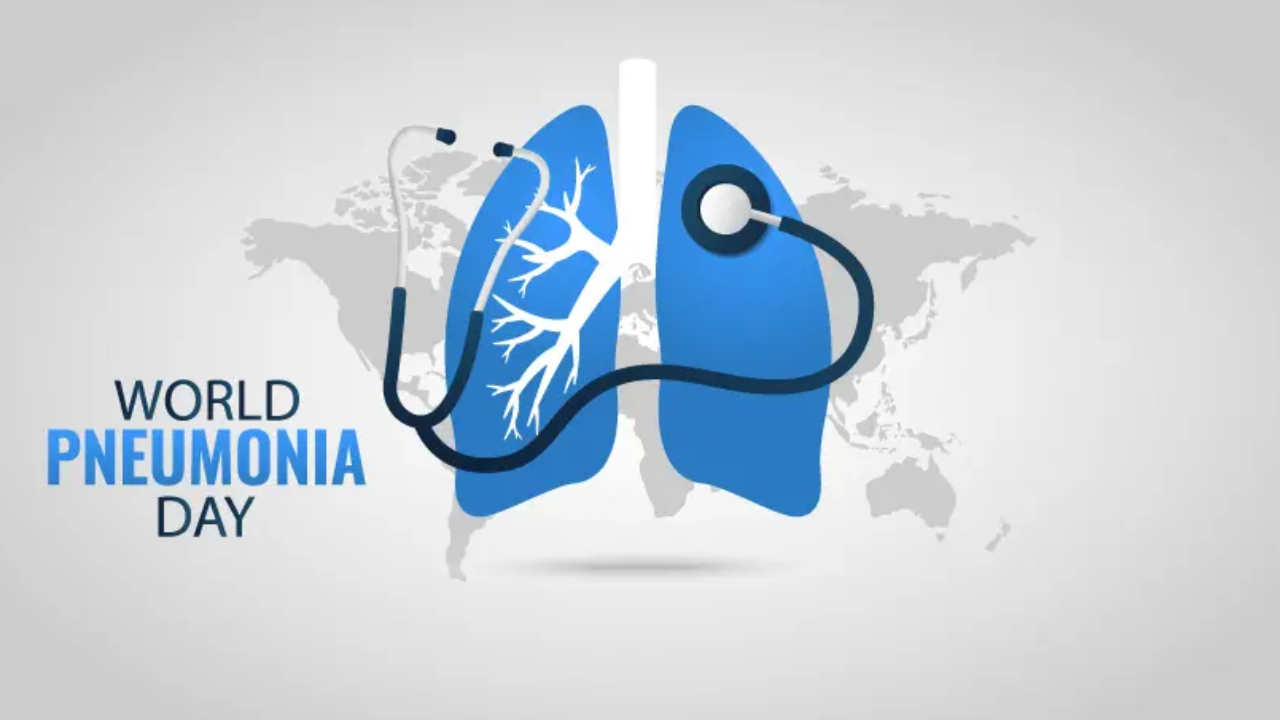
This is the major challenge confronting the country’s public health sector which also include the diseases themselves. Those that are infectious come into focus as Nigeria joins the rest of the international community to mark the world pneumonia. Day with the theme Championing the fight to stop pneumonia.
There are many others that come under the control of vector diseases, maternal and infant mortality, poor sanitation and hygiene, disease surveillance, and non-communicable diseases.
The inadequate programmes designed to address the numerous health problems in Nigeria have led to little improvement in the nation’s health status. According to USAID, health indicators in Nigeria are some of the worst in Africa.
It is a known fact that the country has one of the fastest growing populations globally with 5.5 live births per woman and a population growth rate of 3.2 percent annually expected to take the nation’s population to an estimated 440 million people by 2050.
With its rapidly growing population and development challenges, the country drags down the socioeconomic indicators for the entire African continent.
The continued neglect of the importance of addressing public health issues would make matters worse for poor Nigerians most of who are at the receiving end.
At a recent event, the Minister of Health, Prof Muhammad Ali Pate, noted that Nigeria was going through an epidemiological transition, with changes in the disease burden as well as an increase in non-communicable illnesses.
Commemorated on November 12 every year, world Pneumonia Day, for the nation, is an opportunity to take a holistic view of what is being done to control the ailment and the lapses, if any, in the efforts to ameliorate the deadly effect of the disease, in particular through awareness programmes.
Reviewing the actions taken between last year and now, record indicates that not much has been achieved in regard to high mortalities and morbidities associated with the disease.
Pneumonia is the world’s leading infectious killer of children, claiming the lives of more than 800,000 children under the age of five every year, more than 2,000 every day.
Nigeria is adjudged to have the largest absolute number of annual paediatric pneumonia deaths globally with the disease accounting for 20 per cent of under-5 deaths nationally.
Experts claim that malnutrition is a key risk factor for poor pneumonia outcomes and premature death.
The country has one of the highest prevalence rate of childhood malnutrition in the Africa region, with an estimated 37 per cent of children stunted and nine per cent malnourished and a higher burden in the North of Nigeria.
It is a shocking demonstration of pervasive health inequities disproportionately affecting the most deprived and marginalised
children in low- and middle-income countries, including Nigeria.
Sadly, in our opinion, activities to address the number of children dying from pneumonia and other preventable child diseases isn’t
fast as needed or fair enough.
Global, regional, national averages mask huge inequalities in countries and it is the poorest children who are most at risk because of high rates of malnutrition, and lack of access to basic quality health services for vaccinations, diagnosis and treatment of common childhood illnesses.
As a result, the poorest children are
almost twice as likely to die before their fifth birthday compared to the richer countries.
Innovations that could save hundreds of thousands of lives each year are not reaching children and vulnerable people wth the greatest need.
According to industry watchers, Nigeria’s health system faces several challenges, such as inadequate financing, inadequate infrastructure, shortage of healthcare personnel, and poor quality of healthcare services.
It is not a surprise, then, that these challenges contribute to the poor health outcomes observed in the country.
In our considered opinion, surveillance is critical for a country like Nigeria, which like most developing countries in Africa, face major public health challenges.
But, unfortunately, the country still struggles with the implementation of an effective surveillance system as a result of inadequate attention to the main issues such as funding and availability of infrastructure.
Pate, the Health minister, emphasized the need for investments in manufacturing, logistics, and supply chain strategies. He also said that health investments are important as a driver of growth and prosperity. This was just as he noted that at the moment, there’s a gap between where the nation’s health outcomes are and where they should be.
Under the renewed Hope Agenda of President Bola Tinubu to drive a transformation in Nigeria’s health sector, his four-point agenda focuses on improving the overall governance of health, bringing stakeholders in a mixed health system that will have public and private actors, civil societies listening to citizens as well as responding to their needs.
The second aspect has to do with things that would improve the population’s health outcomes including; essential services like immunisation, delivery of maternal and child health services or reproductive health among others.
The third plan is to unlock the value chain of health, from pre-service training and reservice delivery items where the private sector can play an important role in the manufacturing of basic things.
Unfortunately, where the nation is now, 70 to 80 per cent of generics and pharmaceuticals are imported, with a population of more than 200 million.
Regarding funding, a critical aspect for turning commitments into action, the 2023 health budget of the federal Ministry of Health (FMoH) for the procurement of routine immunisation (RI) vaccines, devices and support operational costs is a paltry N3.6 billion
We note that timely release and effective utilisation of this fund, inadequate as it is, will help address various barriers identified in the strategy to reduce these child-killer diseases .
Some of the barriers include limited prevention strategies, low care-seeking behaviour, and gaps in health worker skills.
Hopefully, with the delineation of these barriers, and strategies in addressing them, political will is what is required to surmount them.
We’ve got the edge. Get real-time reports, breaking scoops, and exclusive angles delivered straight to your phone. Don’t settle for stale news. Join LEADERSHIP NEWS on WhatsApp for 24/7 updates →
Join Our WhatsApp Channel