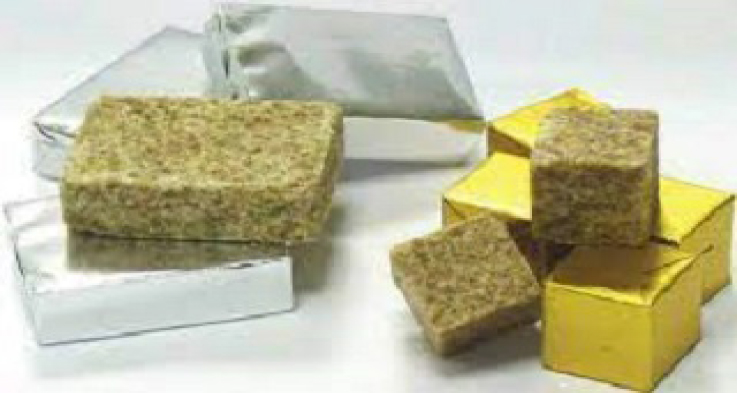
As Nigeria grapples with its growing public health challenges, the debate over bouillon fortification is set to continue, with the Corporate Accountability and Public Participation Africa (CAPPA) and its allies at the forefront of the fight to protect the nation’s health from potentially harmful industrial practices.
Nigeria’s ongoing struggle with malnutrition has prompted various public health interventions, one of which is the fortification of foods with essential micronutrients.
However, recent efforts to fortify bouillon cubes with iron, a move aimed at combating the country’s high rates of anemia are raising concerns among public health advocates.
Civil Society Organisations (CSOs) argue that this strategy, if not carefully managed, could exacerbate the nation’s burden of diet-related non-communicable diseases (NCDs).
Nigeria faces a complex malnutrition crisis, characterised by undernutrition, micronutrient deficiencies, and rising levels of overweight and obesity. These issues are compounded by conflicts, food insecurity, and ineffective policy management.
According to the World Health Organisation (WHO), micronutrient deficiencies, particularly in iron, folic acid, iodine, and vitamin A, affect millions in low- and middle-income countries, including Nigeria. Women and children are especially vulnerable to these deficiencies, which can lead to severe health consequences such as anemia, impaired cognitive development, and increased disease risk.
Food fortification, endorsed by global health bodies like the WHO, is a proven public health intervention to address these deficiencies. By adding vitamins and minerals to widely consumed foods, fortification aims to meet nutritional needs and improve public health outcomes.
However, the effectiveness of such programs depends heavily on their alignment with broader public health goals, including the reduction of NCDs.
The Program Officer (Cardiovascular Health), CAPPA, Bukola Olukemi-Odele, expressed concern over the potential for increased sodium consumption.
Olukemi-Odele who stated this at press briefing on Bouillon Fortification, organised by CAPPA recently in Abuja, said Nigeria already has a salt iodization program to combat iodine deficiency, but adding iron to bouillon cubes, another high-sodium food could inadvertently elevate sodium intake among the population.
“One such example of this scenario is the case of salt iodization, which, while preventing iodine deficiency, could inadvertently increase sodium consumption. Consequently, nutrition authorities may and, as a result, need to consider strategies that maintain the benefits of iodine fortification while also mitigating the health risks associated with higher sodium consumption,” she added.
This is particularly troubling given Nigeria’s goal of reducing sodium intake by 30 percent within the next five years, a target set to combat the rising tide of NCDs.
Global best practices suggest that rather than fortifying multiple high-sodium foods, a more effective approach might be the double fortification of salt with both iodine and iron. This method, successfully implemented in countries like the USA and India, has been shown to reduce anemia without increasing sodium consumption.
Nigeria’s history with food fortification is mixed. Despite two decades of mandatory fortification of salt, wheat flour, sugar, and edible oils, malnutrition remains widespread, particularly among women of reproductive age and children.
The National Food Consumption and Micronutrient Survey (NFCMS) 2021 revealed that Nigerians primarily consume locally made, unprocessed staples, which are often cheaper and more accessible than fortified products. This trend highlights the need for fortification strategies that focus on locally consumed staples, a tactic that has seen success in countries like Brazil.
There is also growing concern that food industries may exploit fortification as a marketing tool to boost sales of ultra-processed products, potentially leading to adverse health outcomes. Without stringent regulatory oversight, this could pose significant risks to public health.
For instance, unlike the United Kingdom, where front-of-pack warning labels help consumers make informed choices, Nigeria lacks such protective measures.
The Federal Ministry of Health and Social Welfare and other relevant agencies, bears the responsibility of ensuring that fortification programs do not inadvertently harm public health. The fortification of bouillon cubes, if pursued without careful consideration of its implications, could undermine Nigeria’s efforts to reduce sodium intake, increase the burden of NCDs, and inflate healthcare costs, Olukemi-Odele stated.
According to her, effective coordination between ministries, departments, and agencies responsible for nutrition, food safety, and consumer protection is crucial. Ensuring that food policy decisions align with national public health objectives and sustainable development goals is essential for mitigating the country’s growing NCD burden.
The lives of millions of Nigerians depend on these critical decisions, and it is imperative that policymakers act with the public’s best interest at heart.
We’ve got the edge. Get real-time reports, breaking scoops, and exclusive angles delivered straight to your phone. Don’t settle for stale news. Join LEADERSHIP NEWS on WhatsApp for 24/7 updates →
Join Our WhatsApp Channel