…Targets cheaper food, power expansion to boost economy
The federal government, on Thursday, said it achieved 85 per cent of its capital expenditure target for the 2024 fiscal year.
The government also declared that Nigeria had moved from an era of economic stabilisation to a consolidation phase, saying 2026 would focus on translating recent macroeconomic gains into tangible improvements in Nigerians’ living conditions, including cheaper food, expanded electricity supply, and improved access to housing.
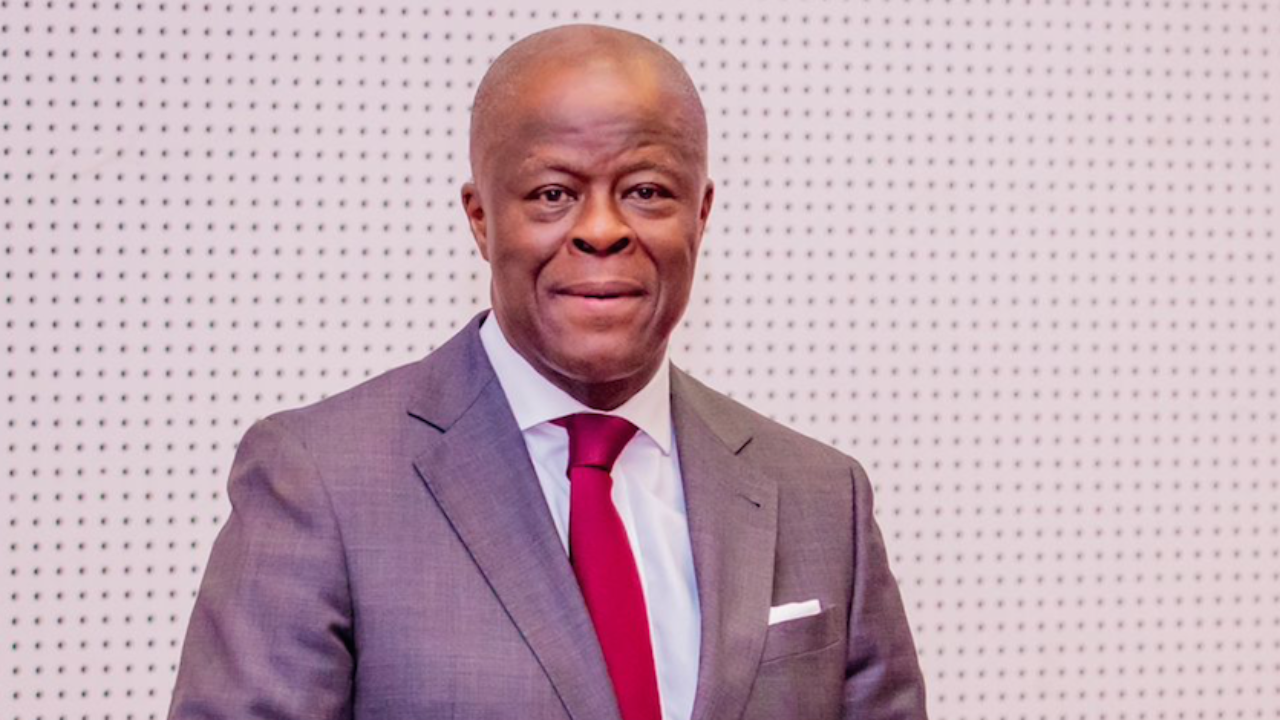
Speaking at the launch of the Nigeria Economic Summit Group (NESG) Macroeconomic Outlook, the Minister of Finance and Coordinating Minister of the Economy, Wale Edun, stressed the need for Nigeria to be positioned to compete both regionally and globally.
He noted that achieving 85 per cent capital expenditure performance in the 2024 fiscal year, following the extension of the budget implementation period, signals an improved budget execution and renewed confidence in public finance management.
According to him, the outcome reflected stronger discipline and transparency in fiscal operations, even as he explained that the high level of capital budget implementation was made possible after the National Assembly extended the lifespan of the 2024 budget to cover the full year, allowing critical projects to be completed rather than abandoned midway.
“In terms of the capital budget, the budget, at the end of the day, is a law of the National Assembly. They extended the 2024 budget for the full year to ensure that projects were completed,” Edun stated.
According to him, the extension translated into “strong execution levels”, with aggregate capital expenditure attaining 85 per cent performance by year end, a marked improvement compared with previous years.
While acknowledging that capital expenditure in 2025 would be lower, Edun said the government deliberately chose to consolidate gains by completing ongoing projects rather than launching new ones, amid tight fiscal conditions.
He stressed that despite the challenges, the government met all its statutory obligations, including foreign and domestic debt servicing as well as payment of salaries, countering concerns over fiscal sustainability.
“Despite these fiscal challenges, all the statutory obligations, foreign debt service, domestic debt service, and salaries were all met by the government,” he said, describing the capital expenditure outcome as part of broader reforms anchored on fiscal discipline, transparency and prudent management.
He further noted that Nigeria’s fiscal position had shown resilience and marked improvement. “Nigeria’s fiscal position did demonstrate resilience, and I would say marked improvement, reflecting discipline, management and transparency-focused reforms,” he said.
The minister noted that sustained capital spending remained critical to easing food prices, lowering the cost of capital, expanding mortgage lending, boosting electricity supply and accelerating road construction, all of which he said were essential to driving inclusive growth.
He further stated that the country had moved beyond crisis management into a phase of stabilisation and consolidation. Still, he warned that reforms must be sustained to convert stability into long-term economic growth.
Looking ahead, Edun said the 2026 budget, tagged Budget of Consolidation, Renewed Resilience and Shared Prosperity, was designed to translate fiscal stability into tangible benefits for citizens. “After two years or so of implementing what we all agree are transformative and politically difficult reforms, this administration has delivered what I would say is significant macroeconomic stabilisation.
“When you look at the growth trajectory and at the success in terms of the monetary aggregates… we are now at the threshold of stabilisation, consolidation. But it is a phase that demands resolve, discipline and policy consistency as we go forward. The central message is that Nigeria cannot afford to pause, cannot afford to retreat, cannot afford to sleep, and that is a big undertaking.
“And success will determine whether stability is converted into sustained growth, whether growth delivers productive jobs and whether poverty is reduced at scale. So we need to position the Nigerian economy as a competitive regional and global player capable of feeding itself, housing itself, and, of course, powering the Nigerian economy,” he stated.
According to Edun, two years of what he described as “bold and disciplined reforms” have begun to yield measurable results, signalling a turning point for Africa’s largest economy after years of fiscal stress, weak investor confidence and macroeconomic imbalances.
“Nigeria has moved from stabilisation to consolidation,” the minister said, noting that the reform phase was necessary to arrest long-standing distortions in the economy before sustainable growth could be achieved.
He listed stronger economic growth, moderating inflation, improved external reserves, rising investor confidence and renewed international credibility as key outcomes of recent policy actions. These gains, he said, now provide the government with a platform to focus squarely on impact.
“2026 is about impact,” Edun said. “It is about converting macroeconomic gains into real outcomes for Nigerians.”
The minister identified food affordability as a central priority, amid persistent concerns over the cost of living and food inflation. He also pointed to expanded electricity delivery, accessible housing and mortgage financing, improved infrastructure, and stronger protection for the most vulnerable as areas where citizens should begin to feel the benefits of ongoing reforms.
Edun’s remarks come at a time when Nigerians remain sceptical about the outcomes of reforms, despite improvements in headline indicators. Inflation, though moderating, remains elevated, while households continue to grapple with high food prices and energy costs.
The government’s emphasised on consolidation suggests an acknowledgement that macroeconomic stability alone is insufficient without visible improvements in welfare.
Under President Bola Ahmed Tinubu’s leadership, Edun said the government remains committed to transparency, fiscal discipline, and structural reforms to attract private investment and drive sustainable, inclusive growth.
He stressed that consolidation does not mean policy reversal, but rather a deliberate effort to entrench gains and sustain momentum.
“We will consolidate gains. We will sustain momentum,” the minister said.
Central to this strategy, he added, is deeper collaboration with the private sector, development partners and citizens, reflecting the administration’s view that government alone cannot deliver the scale of investment required to transform the economy.
The NESG 2026 Macroeconomic Outlook provides a private-sector–led perspective on Nigeria’s economic prospects and policy priorities, and Edun’s participation underscored the government’s efforts to align public policy with market expectations and development goals.
Speakers at the event say the shift from stabilisation to consolidation will test the credibility of the reform agenda, as success will increasingly be measured not by policy announcements or improved reserves, but by outcomes such as food prices, power supply reliability, job creation and household welfare.
With 2026 framed as an “impact year,” expectations are rising that the benefits of reforms will move beyond balance sheets and macroeconomic charts into everyday life, defining the next phase of Nigeria’s economic journey.
We’ve got the edge. Get real-time reports, breaking scoops, and exclusive angles delivered straight to your phone. Don’t settle for stale news. Join LEADERSHIP NEWS on WhatsApp for 24/7 updates →
Join Our WhatsApp Channel