The newly unveiled ABIS Livestock Academy is positioning itself as a strategic response to Nigeria’s deep-rooted inefficiencies in the livestock value chain, with its promoters saying it could help reduce the country’s dependence on livestock-related imports while strengthening food security.
At a time when Nigeria continues to grapple with protein shortages, weak processing standards and heavy import bills for dairy and other livestock products, the Academy aims to tackle what industry experts described as one of the sector’s most persistent challenges — the shortage of skilled manpower.
Speaking during the Technical Expert Validation Session of the Academy’s curriculum at the NIRSAL auditorium, ABIS Group co-founder and executive director, Dr Iliyasu Gashinbaki, said the institution is designed to build a commercially viable and regulation-compliant livestock workforce capable of competing regionally and globally.
He explained that beyond technical training, the Academy carries a broader national development mandate — strengthening food security, promoting inclusive rural growth, improving public health outcomes and positioning Nigeria as a credible player in the halal and agribusiness export markets.
According to him, the curriculum adopts a tiered, competency-based structure to address skill gaps across the value chain, from smallholder producers to senior industry managers and policymakers.
“It progresses from foundational training for new entrants and smallholders, to applied certificate programmes for supervisors and enterprise operators, and advanced professional certification for senior managers and consultants,” he said, noting that hands-on learning and alignment with national and international standards in animal health and food safety are central to the framework.
The curriculum development process, he added, underwent multiple sectoral and peer reviews before reaching the validation stage. Following validation, the Academy plans to engage regulatory authorities to facilitate certification approvals.
The validation session attracted stakeholders from across the livestock ecosystem, including representatives of the National Board for Technical Education (NBTE), Nigerian Institute of Animal Science, Standards Organisation of Nigeria (SON), NAFDAC, Nigeria Agricultural Quarantine Service, Federal Ministry of Livestock Development, Veterinary Council of Nigeria, FAO and other industry and policy bodies.
ABIS Group founder and chairman, Ambassador Emmanuel Nelson Usman, described the Academy as a national platform dedicated to structured technical training, certification and institutional knowledge transfer within the livestock value chain.
Industry analysts say such institutional interventions are critical as Nigeria seeks to modernise production systems, improve traceability and meet export standards, particularly within the fast-growing halal market.
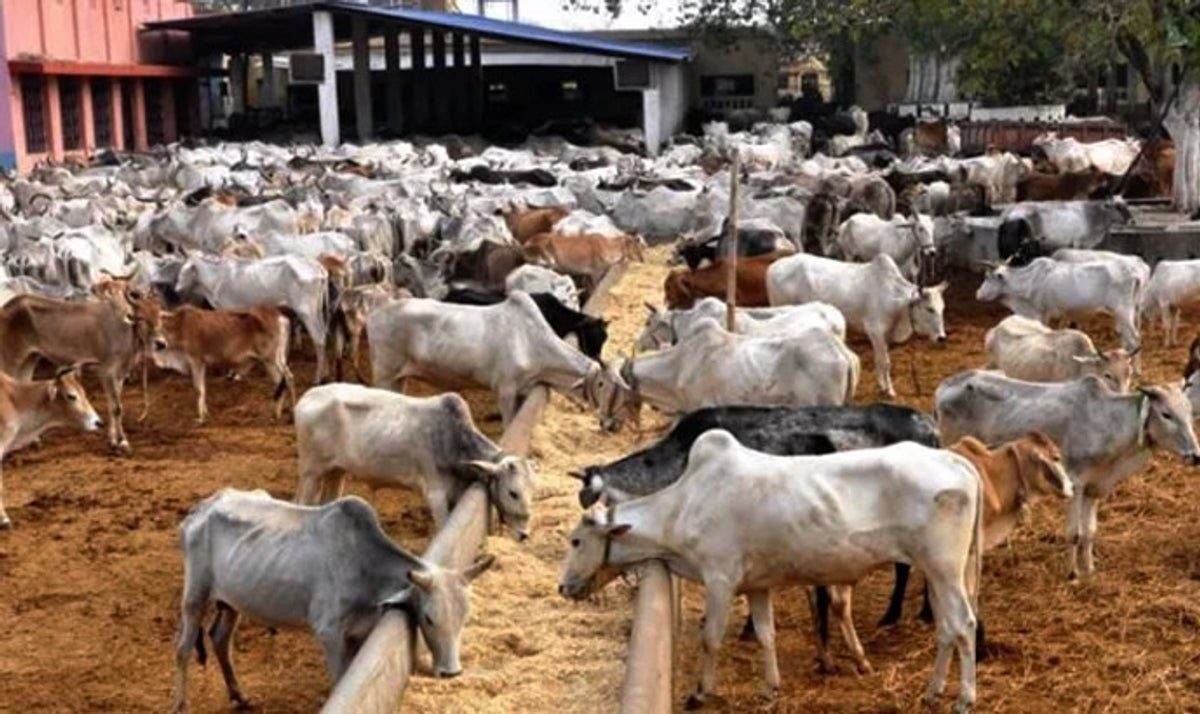
The Academy’s launch also aligns with ABIS Group’s expanding processing footprint. Its Lagos facility currently processes 220 cattle and 3,000 poultry daily, while an Abuja mega facility — nearing unveiling — is projected to process 1,000 cattle and between 400 and 600 tonnes of poultry per day.
A Plateau State facility is expected to process 500 cattle and up to 400 tonnes of poultry daily.
The promoters say the integrated model — supported by waste-to-biogas sustainability initiatives — is expected to boost domestic capacity, enhance value addition and reduce post-harvest losses in the livestock sector.
We’ve got the edge. Get real-time reports, breaking scoops, and exclusive angles delivered straight to your phone. Don’t settle for stale news. Join LEADERSHIP NEWS on WhatsApp for 24/7 updates →
Join Our WhatsApp Channel