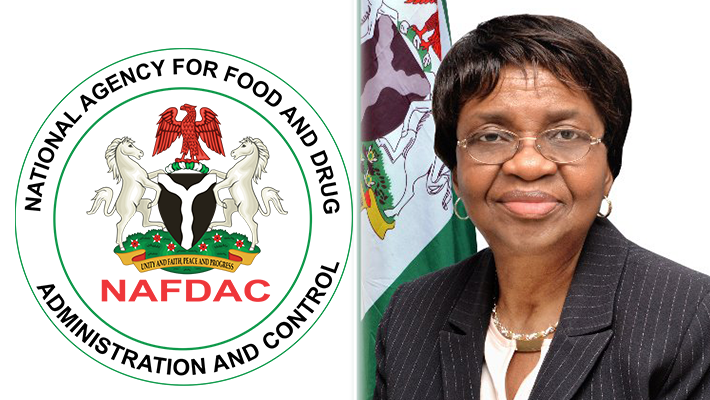
Recently, the National Agency for Food and Drug Administration and Control, NAFDAC, raided a counterfeit medicine ring in Lagos, where it confiscated over 10 million doses of fake and banned drugs hidden in warehouses.
NAFDAC identified the products stored at the warehouses as including large quantities of injectable anti-malarials, antibiotics, sachet medicines, blister packs, and banned substances such as Analgin, which has been prohibited for over 15 years.
According to NAFDAC, the drugs are worth approximately N3 billion. This is notable by any standard. Had these drugs entered the market and found their way in the possession of many health-seeking Nigerians, the repercussions could have been catastrophic.
It is hard to understand the level of heartlessness that would permit the importation of fake vitamins and other vital medicines, such as injections used in emergencies like cerebral malaria. But that is what the nation is struggling to deal with with.
This NAFDAC discovery clearly highlights the severity of the healthcare challenges Nigerians face. In any country where more than 50 per cent of the population, mainly the working class, middle and low-income earners, patronise patent medicine stores which are the main outlets for most over-the-counter drugs, the potential impact of such a large quantity of fake drugs on citizens is even more alarming.
Nigeria, like most sub-Saharan African countries, is struggling with the problem of fake and substandard drugs and other medical supplies. According to the World Health Organisation, 1 in 10 medicines in low- and middle-income countries such as Nigeria are substandard, with nations spending an estimated US$30.5 billion annually on them.
A combination of endemic corruption that has infiltrated nearly every sector of the country, a large and vulnerable population, and a clear lack of social protection amidst a very weak health system makes Nigeria highly susceptible to encountering substandard and falsified medical products.
In our opinion, nothing increases Nigerians’ vulnerability to fake drugs more than the severe economic hardship amid rising drug prices. To tempt unsuspecting citizens, these drugs are often sold at comparatively low prices.
The sad reality is that NAFDAC’s discovery underscores the extent of the healthcare challenge Nigerians face. The fact that the agency uncovered several warehouses designed to look like homes shows how deeply entrenched the problem has been.
This discovery raises serious questions. How long have these warehouses been in operation? How many counterfeit drugs have entered the Nigerian markets through these warehouses? Who owns the warehouses where these drugs were found? Is it possible that the owners are unaware of what their properties are being used for?
It is evident that Nigeria’s health system is under threat from fake drug merchants whose only goal is profit. We are dealing with individuals who chase wealth at any cost and are willing to kill to get it. At present, no one, not even NAFDAC, can precisely determine how many people have, often unknowingly, taken these fake drugs.
We are racing against the spread of falsified medical products controlled by a criminal syndicate whose main motive is to make money at the expense of human lives by deliberately misrepresenting drugs’ identity, composition, or source to deceive consumers.
The syndicate behind this crime consists of powerful, well-connected, and wealthy individuals who often use their highly questionable wealth to fund this brazen illegality. The late Dora Akunyili, whose tenure as Director-General of NAFDAC brought the agency to public prominence, faced serious battles with this syndicate. Nothing has changed since then. The journey remains long and arduous.
It has long been recognised that a significant proportion of drugs and other medical consumables in Nigerian markets are substandard and falsified, posing risks to public health. It is no surprise that some patients continually take drugs without experiencing relief. How can they when the drugs are ineffective because they contain criminally manipulated ingredients?
Now more than ever, there is a need for united efforts to fight this menace. All hands must be on deck-government at all levels, healthcare professionals, and manufacturers- must work together to enforce regulations.
The National Orientation Agency must support NAFDAC’s efforts by launching vigorous public awareness campaigns. Nigerians, especially the most vulnerable, need to be informed about safety measures.
However, beyond the discovery, NAFDAC must do everything possible to ensure that the operators of the warehouses and their accomplices, regardless of how well-connected and high-ranking they are, face justice. It is certain that many lives have been lost, and many more may be suffering from various illnesses, largely caused by the consumption of these falsified and substandard products. Anyone involved in selling fake drugs is a killer and does not deserve to live.
We’ve got the edge. Get real-time reports, breaking scoops, and exclusive angles delivered straight to your phone. Don’t settle for stale news. Join LEADERSHIP NEWS on WhatsApp for 24/7 updates →
Join Our WhatsApp Channel