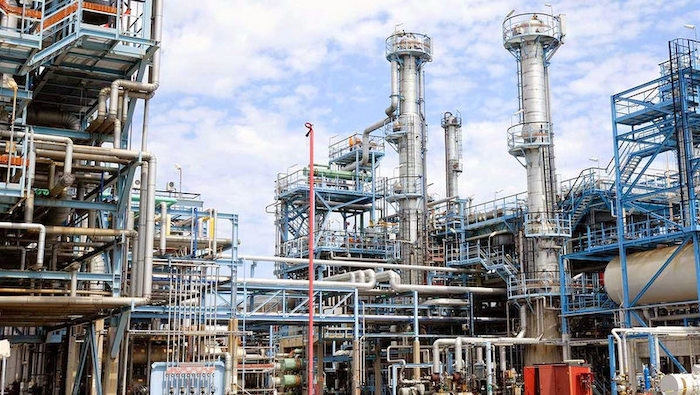
The Petroleum Products Retail Outlets Owners Association of Nigeria (PETROAN) has called for the immediate operationalisation of local refineries to end Nigeria’s dependence on imported petroleum products amid escalating Middle East tensions.
The national president of PETROAN, Dr Billy Gillis-Harry, told journalists in Abuja that the ongoing military escalation involving the United States, Iran, Israel, and allies is disrupting global energy markets, with direct threats to Nigeria’s petroleum sector.
“The hostilities around the Strait of Hormuz, through which 20 per cent of the world’s crude oil and significant LNG pass daily, have triggered sharp oil price volatility,” Dr Gillis-Harry said.
He noted that a drone strike halted operations at Saudi Arabia’s 550,000 bpd Ras Tanura refinery and suspended Qatar’s Ras Laffan and Mesaieed LNG production, pushing Brent crude toward $80 per barrel and European gas benchmarks up 50 per cent.
- Petrol Prices May Rise As US-Israel Attack On Iran Drives Oil Surge
- JUST IN: Dangote Cuts Petrol Price By N25 Per Litre*
- Petrol Outlet Owners Fault Ojulari’s Comments On Port Harcourt Refinery, Criticise Over-Reliance On Private Refinery
- Like MRS, NNPCL Raises Petrol Pump Price To ₦835 In Lagos, ₦839 In Abuja
Dr Gillis-Harry warned that prolonged Strait closures could drive prices above $100 per barrel, exacerbating Nigeria’s reliance on imports.
“These external shocks threaten local pump prices, foreign exchange stability, and inflation,” he stated, adding that sustained crude price hikes would hit retail outlets nationwide.
To safeguard energy security, PETROAN demands urgent action. “We must operationalise local refineries by ensuring steady crude oil supply and revamping the four government-owned facilities to full capacity.”
The association also urged sustaining the Naira-for-Crude policy to ease FX pressures and stabilise fuel pricing.
Brent crude surged toward $80 per barrel, with analysts warning that a prolonged closure of the Strait could push prices well above the $100 mark.
PETROAN noted that for Nigeria, these developments underscore the fragility of the domestic market’s reliance on imported refined products.
The retailers emphasised that such external shocks directly threaten local pump prices and foreign exchange stability, reinforcing the urgent need to operationalize local refining capacity.
As the conflict intensifies, global crude oil benchmarks have surged, with analysts projecting that prices could exceed $100 per barrel if disruptions persist. This upward trend reflects growing concerns over potential supply shortages should shipping activities through the Strait of Hormuz remain restricted.
PETROAN noted that any sustained increase in crude oil prices will inevitably be reflected at petroleum retail outlets across Nigeria. If the crisis continues, the impact will extend beyond pump prices to affect foreign exchange stability, domestic fuel pricing structures, and overall inflation levels within the country.
Position and Call to Action
In view of these developments, PETROAN called for urgent and strategic actions to safeguard
Nigeria’s energy security. This includes prioritising local refineries by ensuring a steady crude oil supply and creating enabling policies that support optimal operations.
There is also a call to sustain and strengthen the Naira-for-Crude policy to reduce pressure on foreign exchange and stabilise domestic fuel pricing. Furthermore, the association stresses the need to urgently
revamp the four government-owned refineries to restore them to full operational capacity and
reduce dependence on imported petroleum products.
PETROAN said it remained committed to monitoring global market developments and responding proactively to emerging risks. The association continues to advocate for policies that strengthen domestic refining capacity, support measures aimed at shielding consumers from excessive fuel price shocks, and encourage sustained investment in Nigeria’s petroleum infrastructure to guarantee long-term energy security and stability.
Ultimately, PETROAN emphasised the need for diplomatic engagement and peaceful resolution in energy-producing regions to safeguard global petroleum supply chains and protect Nigeria’s national economic interests.
We’ve got the edge. Get real-time reports, breaking scoops, and exclusive angles delivered straight to your phone. Don’t settle for stale news. Join LEADERSHIP NEWS on WhatsApp for 24/7 updates →
Join Our WhatsApp Channel