
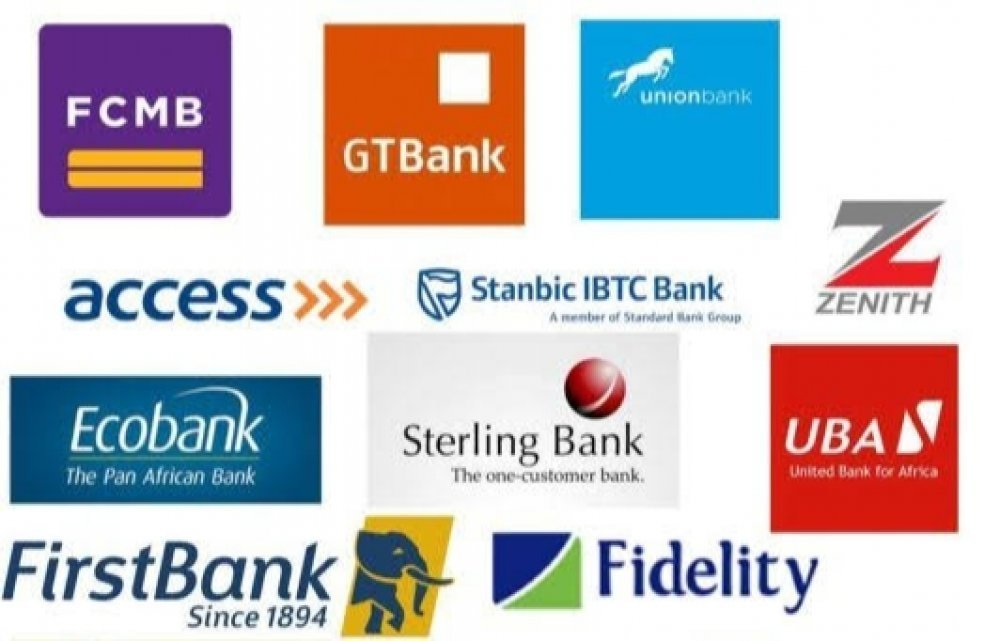
The Central Bank of Nigeria (CBN) has released new baseline standards for automated anti-money laundering solutions, giving banks 18 months to fully comply and other financial institutions 2 years, while both have 3 months to submit their implementation roadmaps.
In a circular released by the apex bank on March 10, 2026, and jointly signed by the directors of the Banking Supervision and Compliance departments, the CBN said the framework is aimed at strengthening compliance, improving the detection of suspicious transactions, and safeguarding the integrity of Nigeria’s financial system.
The circular titled, “Baseline Standards for Automated Anti Money Laundering (AML) Solutions for Financial Institutions in Nigeria”, provides a framework for implementing automated solutions that strengthen the detection and reporting of suspicious transactions in real time and enhance compliance with applicable AML/CFT/CPF laws and regulations, while also supporting the use of emerging technologies to improve overall financial crime risk management.
According to the CBN, the implementation of the guidelines becomes effective from March 10, 2026, the date of issuance, “while full compliance shall be 18 months for Deposit Money Banks and 24 months for Other Financial Institutions from the date of issuance. Therefore, institutions shall submit implementation roadmaps to the Compliance Department within 3 months from the date of issuance.”
In the circular issued to financial institutions, the regulator explained that the standards would encourage the adoption of advanced technology-driven solutions capable of detecting and reporting suspicious activities in real time.
The apex bank said the document was developed after a comprehensive assessment of existing anti-money laundering solutions currently deployed across the financial services industry.
“The standard is aimed at promoting operational efficiency and regulatory compliance to AML/CFT/CPF requirements by financial institutions in Nigeria,” the CBN stated.
The apex bank added that the framework aligns with global best practices and international regulatory standards, including recommendations issued by the Financial Action Task Force (FATF), the global body responsible for combating money laundering and terrorist financing.
Under the proposed framework, financial institutions will be required to deploy automated anti-money laundering systems capable of monitoring transactions, identifying high-risk customers and generating regulatory reports to relevant authorities.
The CBN noted that systems must incorporate modern technologies, such as artificial intelligence and machine learning, to enhance the detection and reporting of suspicious financial activities. According to the apex bank, the solutions are expected to feature risk profiling, politically exposed person screening, sanctions monitoring, transaction analysis and compliance reporting tools.
The CBN explained that the standards were also intended to reduce operational inefficiencies associated with manual AML procedures while strengthening financial institutions’ ability to respond to emerging risks in the financial system.
“The objectives of these standards include strengthening the AML/CFT/CPF capabilities of financial institutions through technology-driven approaches,” it stated adding that the framework would encourage the adoption of emerging technologies that could “enhance the detection and reporting of suspicious transactions in real time.”
Beyond detection and monitoring, the standards also require institutions to ensure their systems can seamlessly integrate with core banking platforms and other regulatory reporting frameworks.
Financial institutions will also be expected to maintain systems that support customer due diligence, including identification and verification processes as well as risk assessment of clients. The automated solutions must also integrate with domestic and international sanctions lists and databases used to identify politically exposed persons and other high-risk individuals.
In addition, the CBN said the systems should be capable of generating Suspicious Transaction Reports and other regulatory filings to the relevant authorities within prescribed timelines.
We’ve got the edge. Get real-time reports, breaking scoops, and exclusive angles delivered straight to your phone. Don’t settle for stale news. Join LEADERSHIP NEWS on WhatsApp for 24/7 updates →
Join Our WhatsApp Channel