Nigeria and Côte d’Ivoire have reaffirmed their commitment to stronger bilateral relations and deeper regional integration, as top parliamentary leaders from both countries met on the sidelines of a major global assembly in Istanbul.
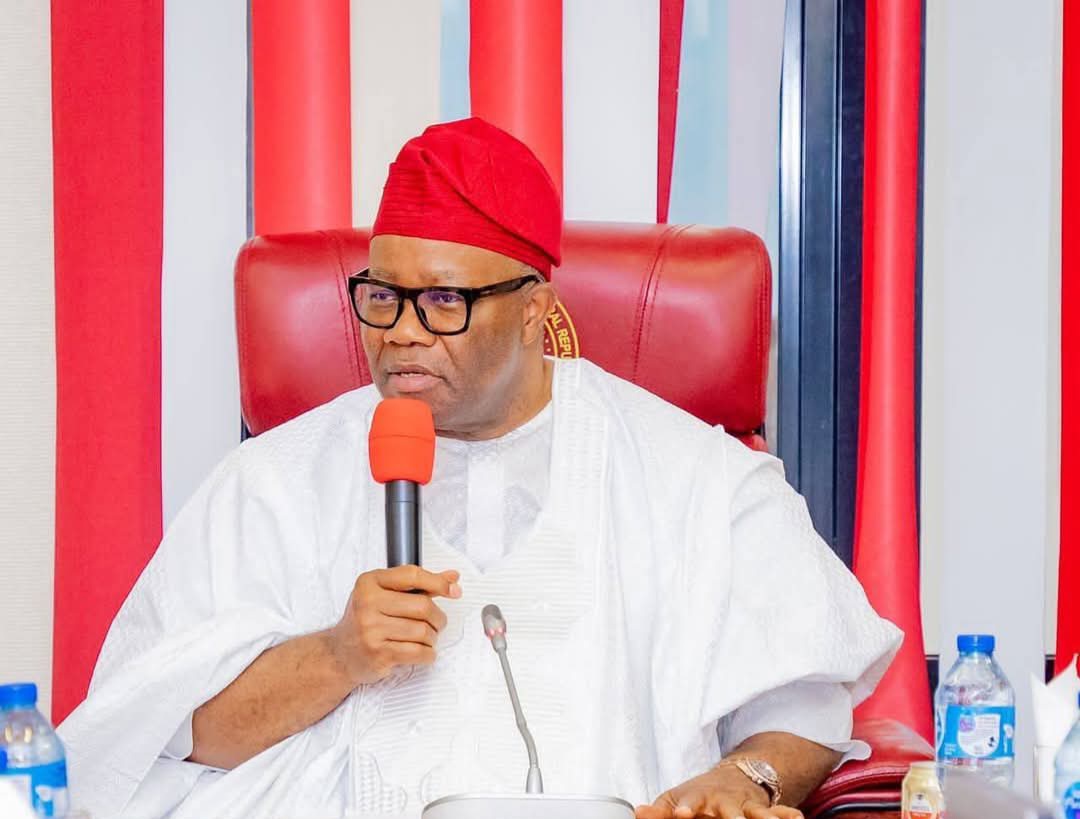
President of the Nigerian Senate, Godswill Akpabio, held high-level talks with Patrick Jérôme Achi during the 152nd Assembly of the Inter-Parliamentary Union.
The meeting focused on advancing cooperation between both nations and strengthening West Africa’s collective economic and political future.
Akpabio described Côte d’Ivoire as a “historic partner and brother nation,” stressing that unity within the region is critical to resisting emerging forms of neocolonial influence.
“If we unite as a bloc, we will be stronger in trade, economic cooperation, political collaboration, and cultural exchange,” he said, warning that fragmentation could weaken the region’s global standing.
Both leaders emphasised the need to reinforce the Economic Community of West African States and accelerate the reintegration of Sahel countries into the regional bloc.
They noted that in an increasingly fragmented global order, West Africa must act collectively to safeguard its interests.
A central highlight of the discussions was the proposed Abidjan–Accra–Lagos Coastal Highway, a transformative infrastructure initiative expected to link over 300 million people across the region. Once completed, the highway is projected to cut travel time between Lagos and Abidjan from three days to approximately eight hours, while operating under a harmonised, supranational framework to ease cross-border movement.
Akpabio described the project as “an economic artery” that could redefine mobility and trade across West Africa, commending Bola Ahmed Tinubu for his commitment to its delivery.
In his remarks, Achi underscored the importance of private-sector-driven growth, arguing that governments must create enabling environments for investment rather than serve as the primary economic drivers.
“Governments do not grow economies — the private sector does,” he said, highlighting the need for policies that expand markets, create jobs, and harness the potential of Africa’s growing youth population.
Both leaders identified key barriers to integration, including language differences, fragmented markets, inadequate infrastructure, and the ongoing loss of skilled professionals.
They also warned of emerging risks, such as digital and economic recolonisation, and urged proactive investment in technology and innovation.
Security concerns tied to open-border systems were also discussed, with both sides advocating for smarter border management through technology, improved surveillance, and enhanced regional intelligence cooperation.
The meeting concluded with a commitment to deepen parliamentary collaboration, strengthen oversight of regional initiatives, and align legislative frameworks to support integration goals.
Both leaders described Nigeria and Côte d’Ivoire as “strategic pillars” of West Africa, capable of driving the region’s transformation through sustained cooperation. “If we work together, nothing is impossible,” Achi affirmed.
We’ve got the edge. Get real-time reports, breaking scoops, and exclusive angles delivered straight to your phone. Don’t settle for stale news. Join LEADERSHIP NEWS on WhatsApp for 24/7 updates →
Join Our WhatsApp Channel