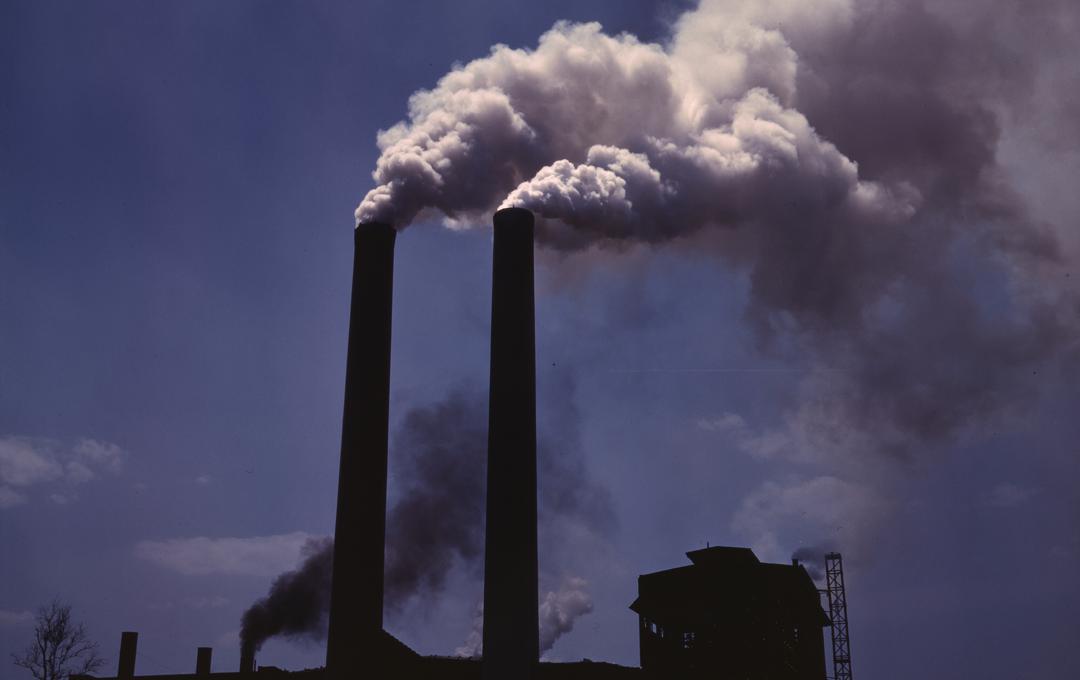
As the world marks Earth Day 2026, the Africa Make Big Polluters Pay (MBPP) coalition has urged governments to take decisive action to tackle the worsening climate crisis and the structural drivers of environmental degradation across the continent.
In a statement issued by the coalition yesterday, it noted that this year’s theme, “Our Power, Our Planet,” highlighted the urgency of the climate emergency, which it described as immediate and intensifying rather than distant.
The group pointed out that from the forests of Kenya to Nigeria’s grasslands, the effects of climate change, including biodiversity loss, extreme heat, erratic rainfall, rising sea levels, and climate-induced displacement, are already evident.
It stressed that while African countries contribute the least to global emissions, they continue to bear a disproportionate share of the impacts.
The coalition warned against positioning Africa as a testing ground for carbon schemes or externally driven interventions that fail to address underlying inequalities.
It also rejected what it described as the exploitation of African ecosystems under the guise of green transitions, carbon offset markets, and mineral-driven energy projects.
Reaffirming the Polluter Pays Principle, the MBPP coalition called for stronger accountability from fossil fuel companies such as Shell, Chevron, and ExxonMobil operating in the Niger Delta, as well as from Chinese firms and other industrial actors whose activities, it said, continue to harm ecosystems and livelihoods.
The group called for an immediate halt to new fossil fuel exploration and a clearly defined, time-bound phase-out of existing infrastructure, warning that continued resource exploitation is worsening the climate crisis.
It further advocated for a just transition framework that respects ecological sovereignty and prioritises the rights of local communities. The coalition also criticised the increasing commodification of nature through carbon markets, biodiversity offsets, and similar financial mechanisms, arguing that such approaches shift environmental burdens to the Global South while allowing continued emissions in industrialised nations.
According to the coalition, ecosystems, including forests, wetlands, soils, and oceans, should be treated as vital living systems and protected through integrated government policies, rather than reduced to tradable assets.
Highlighting the importance of soil to food security, carbon storage, and ecological balance, the group warned that industrial agriculture, unregulated mining, and poorly managed carbon offset projects are threatening soil health.
It emphasised that meaningful climate action must go beyond symbolic gestures and instead focus on systemic change, including ending dependence on fossil fuels and promoting community-led and Indigenous resource governance.
The coalition stressed that without holding major polluters accountable and rejecting extractive approaches to natural resources, global climate goals will remain out of reach. It called for urgent, collective action by governments, communities, and stakeholders to address the climate crisis.
The Africa MBPP coalition comprises more than 32 organisations across the continent working to hold polluting corporations accountable.
Through its MBPP Storytelling Platform, the group seeks to expose the environmental and social impacts of extractive industries, challenge misleading narratives, and promote sustainable alternatives.
We’ve got the edge. Get real-time reports, breaking scoops, and exclusive angles delivered straight to your phone. Don’t settle for stale news. Join LEADERSHIP NEWS on WhatsApp for 24/7 updates →
Join Our WhatsApp Channel