Nigeria allocated only 0.05 per cent of its 2025 health budget to hypertension prevention and control, far below the estimated 0.7 per cent annual investment required to address the country’s growing hypertension burden.
This means that the country is funding hypertension at only 7.1 per cent of the estimated amount needed. That is 92.9 per cent below the required level.
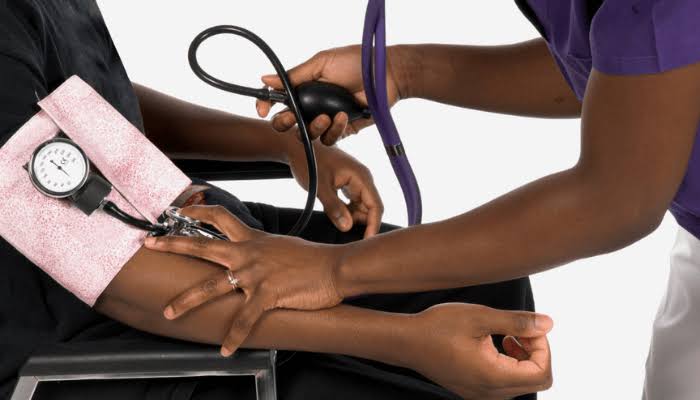
The Policy and Advocacy Officer of the Legislative Initiative for Sustainable Development (LISDEL) Olympus Adebanjo, said the funding gap was particularly concerning as more than 20 million Nigerians were estimated to have elevated blood pressure, with about four in 10 adults affected by hypertension
Adebanjo stated this while presenting the findings of a hypertension financing factsheet at a media masterclass in Abuja.
He said lifestyle, hereditary factors and emotional stress remained among the major risk factors contributing to the condition.
According to the factsheet, only 30 to 37 per cent of people living with hypertension have their blood pressure under control, while just four per cent of treated patients achieve the recommended target.
The report further highlighted the financial burden of hypertension on Nigerian households, stating that families spend between $20 and $55 or more monthly managing the condition.
It noted that fewer than five per cent of patients receiving primary healthcare had prepaid insurance coverage, leaving most patients to bear the cost of treatment directly.
LISDEL estimated that 48.2 per cent of households affected by hypertension faced a risk of impoverishment, against the backdrop of 63 per cent of Nigerians living below the national poverty line.
Beyond direct medical expenses, the report said hypertension and other non-communicable diseases were estimated to cause at least $400 million in productivity losses annually.
It also revealed that hypertension contributed to more than 14,000 ischaemic heart disease events and over 13,000 strokes every year.
The organisation called on the government to go beyond approving budgetary allocations to ensure that funds were actually released and utilised for their intended health programmes.
Earlier, LISDEL Programme Director, Damilola Ademuyiwa, said sustained media scrutiny was necessary to keep hypertension and other non-communicable diseases on the government’s agenda.
Ademuyiwa urged journalists to examine the gap between overall health spending and the resources reaching programmes targeting non-communicable diseases.
He said the HEARTS programme, piloted in Kano, Ogun State and the Federal Capital Territory, demonstrated how primary healthcare could provide an effective platform for preventing and controlling hypertension.
According to him, the factsheet estimates that a government investment of $113 million could avert up to 77,500 deaths over the next 15 years.
We’ve got the edge. Get real-time reports, breaking scoops, and exclusive angles delivered straight to your phone. Don’t settle for stale news. Join LEADERSHIP NEWS on WhatsApp for 24/7 updates →
Join Our WhatsApp Channel