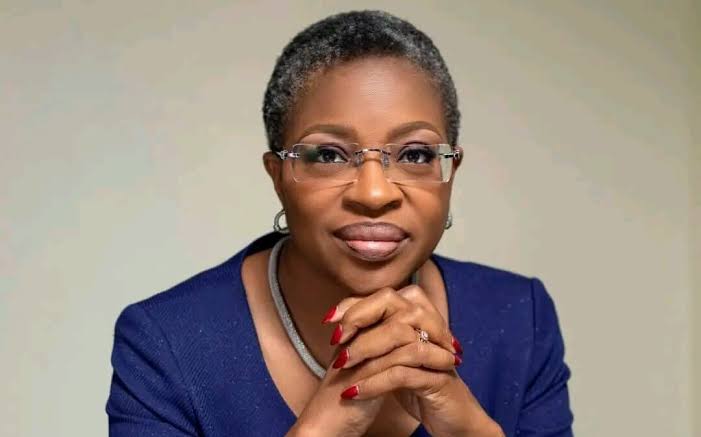
Oyinkansola Badejo-Okusanya, SAN, has made history as the first elected female president of the Nigerian Bar Association, polling 12,317 votes, or 47.18 per cent of the 26,106 ballots cast, to defeat two male challengers. She is only the second woman to lead the association in its 66-year existence, following Priscilla Kuye, who held the office from 1991 to 1992 without having been elected to it. That distinction matters. A woman reaching the top of Nigeria’s legal profession through the ballot, rather than through appointment, is a genuine milestone, and this newspaper offers Mrs Badejo-Okusanya sincere congratulations on it.
We would be doing her career, and the profession she now leads, a disservice, however, if we let the history obscure the circumstances surrounding how she got there. Voting was scheduled to open at midnight of July 18 and did not begin until 7:35 the following morning, a delay the Electoral Committee of the NBA (ECNBA) attributed to what it called a deliberate, coordinated and sustained cyberattack on the voting platform.
Whatever the cause, the result was a turnout of just over 26,000 lawyers, down sharply from the more than 40,000 who voted in 2024, when Afam Osigwe won with over half the ballots cast. A national bar association that cannot get more than a fraction of its eligible members to trust its own voting system enough to use it has a problem well beyond one bad cyberattack.
That problem, unfortunately, is not new. Complaints of disenfranchisement and irregularity have followed nearly every NBA election since the association moved to electronic voting in 2016.
But an association whose central professional purpose includes monitoring the credibility of Nigeria’s general elections cannot keep running its own presidential contests through a process that draws the same complaints it would flag in a state governorship race.
There is something close to paradoxical about a body that dispatches observers to report on electoral malpractice nationwide while failing, cycle after cycle, to guarantee that its own members can vote without incident.
This is why the first item on Mrs Badejo-Okusanya’s agenda should not be ceremonial. It should be a genuine reform of the ECNBA, the committee that runs these elections, covering how it is constituted, how the voter register is compiled and verified, and what independent safeguards exist against exactly the kind of cyberattack that delayed this year’s vote by more than seven hours.
Nigeria’s lawyers deserve an electoral process that produces winners nobody has to caveat with a footnote about disenfranchisement. President Bola Tinubu, in his congratulatory message, urged the incoming president to reach out to her two defeated challengers and “correct issues that arose during your election.” That is sound advice and Mrs Badejo-Okusanya would do well to treat it as more than a courtesy line in a State House statement.
Beyond the ballot box sits a quieter crisis that has nothing to do with who occupies the NBA presidency and everything to do with how the profession treats its youngest members. Junior lawyers working under senior colleagues in law firms across the country routinely earn between thirty and fifty thousand naira a month, where they are paid at all. Some firms reportedly offer no salary whatsoever, telling young lawyers that the “experience” of working in chambers is compensation enough, so long as any outside briefs they pick up do not conflict with the firm’s own business.
That arrangement, common enough outside the major commercial centres of Lagos, Abuja and Port Harcourt, amounts to unpaid labour dressed up as mentorship, and it is difficult to square with a profession that positions itself as a guardian of workers’ rights and the rule of law. An association that cannot ensure its own newest members earn a living wage has limited standing to lecture employers elsewhere about fair labour practice.
There is also judicial reform to contend with, an area in which Mrs Badejo-Okusanya arrives with more credible experience than most of her predecessors. Her earlier role as Senior Special Assistant on Justice Sector Reform to the then Lagos State Governor, Babatunde Fashola, gives her a working knowledge of what institutional reform inside the justice system actually requires, rather than the abstractions such conversations too often settle for. That background should translate into a willingness to criticise the judiciary publicly when it falls short, not merely to issue polite statements once a scandal has already made headlines elsewhere. A Bar Association that only finds its voice after the damage is done is not doing the job its name implies.
None of this is meant to diminish what Mrs Badejo-Okusanya has achieved. Defeating two male contenders to become the first elected woman to lead Nigeria’s legal profession is a genuine accomplishment that deserves the recognition it is receiving, including from the President himself. But the NBA’s credibility problem did not begin with this election and will not end with her congratulatory messages either.
Electoral reform, the welfare of junior lawyers, and a willingness to hold the judiciary to account are not separate items on a long list. They are the actual measure of whether this presidency succeeds, and Nigerians, lawyers and non-lawyers alike, will be watching to see whether the history made on Sunday is followed by the reform the Bar has needed for a decade.
We’ve got the edge. Get real-time reports, breaking scoops, and exclusive angles delivered straight to your phone. Don’t settle for stale news. Join LEADERSHIP NEWS on WhatsApp for 24/7 updates →
Join Our WhatsApp Channel