The rapid adoption of artificial intelligence (AI) is driving increased demand for electricity, data centres and other digital infrastructure across Africa and the Middle East, industry stakeholders have said.
They said the trend was putting greater pressure on governments and businesses to expand energy capacity and upgrade digital infrastructure as AI becomes increasingly integrated into industrial and economic activities.
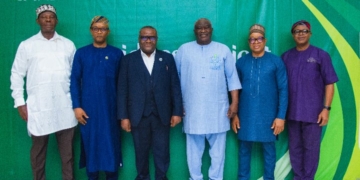
Speaking at the Innovation Summit Middle East and Africa in Abu Dhabi, the chief executive officer of Schneider Electric, Olivier Blum, said the growing use of AI was creating demand for the physical infrastructure needed to operate AI-enabled systems.
Blum said AI was moving beyond the digital environment and becoming increasingly integrated into the physical economy, making reliable electricity and supporting infrastructure critical to its deployment.
“We are entering an era of intelligence in which AI is becoming embedded in the physical economy. AI may be digital, but it runs on electricity and depends on the physical systems beneath it,” he said.
He said the development was particularly relevant to the Middle East and Africa, where investment in energy and digital infrastructure was increasing alongside efforts to expand industrial capacity and support economic growth.
Speaking at the two-day summit, themed “Advancing Energy Tech to Power Intelligence and Resilience,” he also said the growing deployment of AI was taking place alongside increased investment in data centres, manufacturing and energy infrastructure across the two regions.
He said discussions at the summit focused on the links between energy systems, AI, automation and industrial software, with participants examining the infrastructure requirements arising from increasing digitalisation and electrification.
The experts also highlighted the need for businesses and governments to take a more integrated approach to energy planning as AI adoption accelerates, nothing that expanding data centres and digital services would require not only additional electricity generation but also reliable grids, efficient cooling systems and technologies capable of managing rising energy consumption.
They further emphasised the role of innovation and investment in building resilient infrastructure that can support the region’s digital transformation. According to participants, strengthening energy efficiency, expanding renewable energy sources and deploying smart technologies would be important to meeting the growing power demands of AI while supporting broader economic and industrial development across Africa and the Middle East.
The summit attracted more than 2,500 participants, including government officials, industry analysts, businesses, partners, students and media representatives.
We’ve got the edge. Get real-time reports, breaking scoops, and exclusive angles delivered straight to your phone. Don’t settle for stale news. Join LEADERSHIP NEWS on WhatsApp for 24/7 updates →
Join Our WhatsApp Channel