Nigeria has set the stage to boost its dairy industry and is looking to Kenya for lessons on how to strengthen local production and processing.
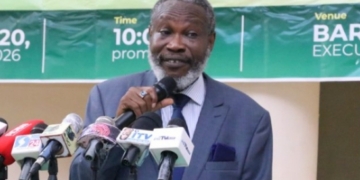
A delegation from the Commercial Dairy Ranchers Association of Nigeria (CODARAN) has started a one-week benchmarking mission in the East African country.
In June 2025, the federal government announced plans to double domestic milk production to 1.4 million tonnes a year by 2030.
The Federal Government also said it would involve state governments, private companies, technical partners and pastoral communities in developing a common roadmap to expand production and processing capacity.
The private-sector mission comes as Nigeria’s dairy industry undergoes a broader transformation.
Since then, companies and investors have announced several projects.
In June 2026, Pure Dairy Herds announced plans to develop a $250 million dairy farm in Ogun State, although the company has not yet disclosed the project’s production capacity.
A few months earlier, in March 2026, the Nigeria Sovereign Investment Authority, or NSIA, signed a memorandum of understanding with UK-based asset manager Asset Green Ltd for a project valued at nearly $500 million.
The project plans to develop 20,000 hectares of fodder crops, build a farm with capacity for 10,000 dairy cows and establish a processing plant with annual capacity of 200,000 tonnes.
Nigeria had already started attracting additional private investment in June 2025. Qatari agribusiness group Baladna announced plans to invest in dairy production and processing in Ogun State. The company did not disclose the project’s cost or production capacity at the time.
The Kenya Dairy Board, or KDB, said in a statement that the Nigerian delegation would examine best practices across Kenya’s dairy value chain, from production to marketing.
The delegation will focus particularly on quality standards, regulation, productivity and market development.
Nigeria’s choice of Kenya reflects the East African country’s position as the largest milk producer in sub-Saharan Africa.
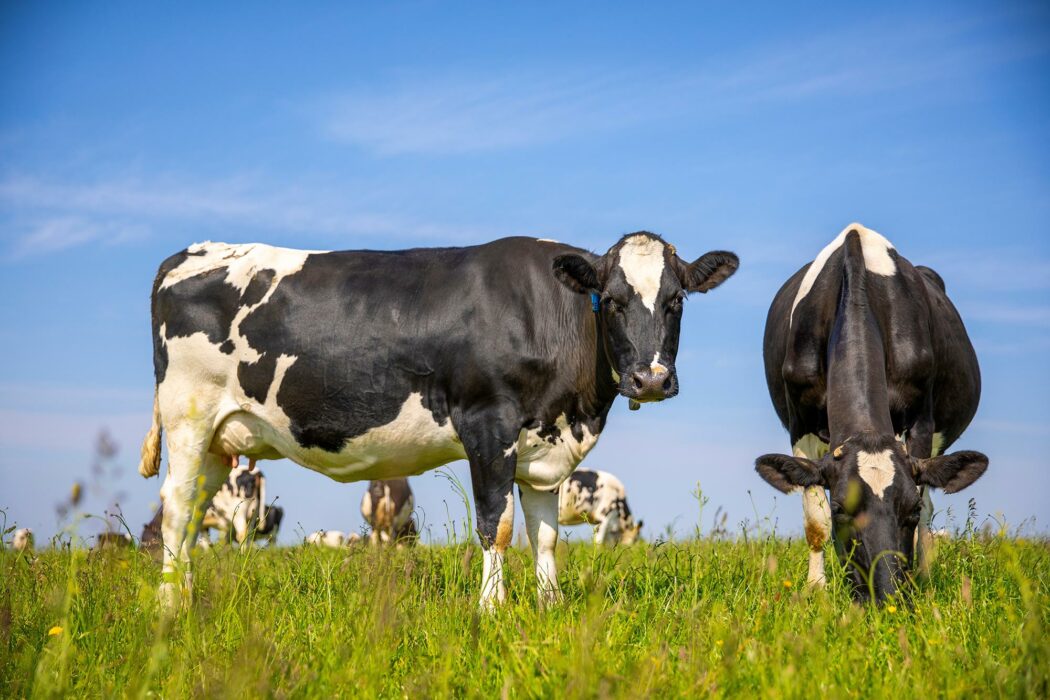
Kenya produced 5.5 million tonnes of fresh milk in 2025, up 3.5% from the previous year and a new record, according to data from the Kenya National Bureau of Statistics, or KNBS, reported by Ecofin Agency.
Processing also expanded. Kenya processed 701,500 tonnes of milk in 2025, up 13.4 per cent year on year.
The KNBS did not identify the factors behind the 2025 increase. However, the Kenyan government has implemented a 10-year dairy industry sustainability roadmap through the KDB since 2023. The strategy focuses on improving farmers’ access to animal feed and veterinary services.
Kenya aims to double average daily fresh milk output per cow to nearly 14 liters. In any case, the industry’s 2025 performance gives Nigerian producers a clear example of the more mature dairy system they are studying.
The Kenyan mission shows that Nigerian dairy producers are looking beyond capital investment as they seek to increase local supply. They also want to learn from a market with more advanced experience in productivity, regulation, quality control and dairy processing.
However, the industry will still need to determine how effectively it can adapt Kenya’s practices to Nigeria’s own production conditions.
We’ve got the edge. Get real-time reports, breaking scoops, and exclusive angles delivered straight to your phone. Don’t settle for stale news. Join LEADERSHIP NEWS on WhatsApp for 24/7 updates →
Join Our WhatsApp Channel