
The Central Bank of Nigeria (CBN) has warned banks against rising cybersecurity, liquidity and large exposure risks, saying the N4.65 trillion raised through the sector’s recapitalization must be matched by stronger risk management and corporate governance.
The apex bank also called on financial institutions to deploy the fresh capital into productive sectors, particularly small businesses, manufacturing and infrastructure, to support Nigeria’s ambition of building a $1 trillion economy by 2030.
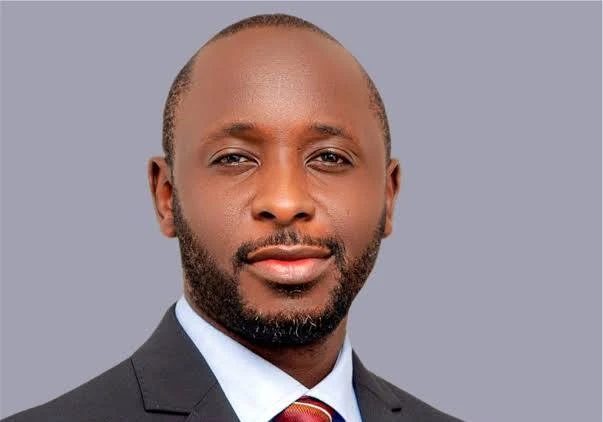
Deputy Governor, Corporate Services, CBN, Dr Muhammad Sani Abdullahi, giving the warning at the 38th Seminar for Finance Correspondents and Business Editors organized by the Finance Correspondents Association of Nigeria (FICAN), said the completion of the recapitalization exercise had given banks stronger balance sheets, but warned that increased capital could expose institutions to new risks if not supported by effective controls.
“Capital, however, is a starting point. Boards and management must maintain sound controls, recognize risks early and lend on the strength of viable projects,” he said adding that the CBN would pay particular attention to governance, asset quality, liquidity and large exposures as it strengthens supervision of the banking sector.
The deputy governor also warned banks to step up investment in cybersecurity and data protection as more transactions move to digital platforms. “As more financial services move to digital channels, banks must invest continuously in cybersecurity, data protection, disaster recovery and business continuity,” he said.
According to him, customers must be able to transact securely and access their funds even when banking systems come under pressure. Abdullahi said the risk management framework of banks must also cover market, liquidity and operational risks, cybersecurity, third party dependencies and climate related financial risks.
He said the CBN would continue to deploy risk based supervision, macroprudential surveillance and enhanced stress testing to identify vulnerabilities before they threaten financial stability.
On lending, the CBN deputy governor said the success of the recapitalization exercise should not be judged by the amount of capital raised alone, but by how effectively banks use their stronger balance sheets to finance the real economy.
“The wider economy should see the benefit over time. Agriculture, manufacturing, services and infrastructure need finance suited to their cash flows and investment horizons,” he stated calling on banks to increase financing for small businesses and households, saying stronger bank balance sheets should translate into wider access to credit.
Abdullahi noted that Nigeria’s $1 trillion economy target would require banks capable of mobilizing and allocating capital on a much larger scale. “Stronger capital buffers should enable banks to finance long term infrastructure, support industrial expansion, facilitate international trade and compete more effectively in regional and global markets.”
He listed technology, energy, transportation, power, agriculture and manufacturing among sectors that should benefit from increased financing, adding that the benefits of the recapitalization must also reach rural communities, women and young entrepreneurs.
The CBN Deputy Governor furthered that the stronger capital base would provide banks with greater capacity to absorb losses, finance investment and support the economy during periods of stress. He however, warned bank boards and management against excessive risk taking, stressing that sound corporate governance remained central to banking stability.
He also urged banks to improve their monitoring of large exposures, saying concentration of risks could undermine individual institutions and create wider financial stability concerns, saying the risk environment had become more complex, with geopolitical uncertainty, climate related risks, cyber threats and rapid technological changes capable of transmitting shocks across financial markets.
We’ve got the edge. Get real-time reports, breaking scoops, and exclusive angles delivered straight to your phone. Don’t settle for stale news. Join LEADERSHIP NEWS on WhatsApp for 24/7 updates →
Join Our WhatsApp Channel