The Nigeria Centre for Disease Control and Prevention (NCDC) has said the number of contacts being monitored following Nigeria’s confirmation of an imported case of Ebola Bundibugyo virus disease may increase as investigations continue.
The agency said the contact-tracing exercise covers healthcare workers, patients, caregivers, household members, travel-related contacts and others who may have been exposed to the confirmed case.
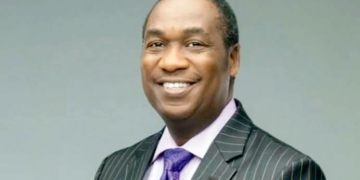
The Director-General of NCDC, Dr Jide Idris, disclosed this on Sunday during a press briefing on Nigeria’s Ebola response, urging Nigerians contacted by public health officials to cooperate fully with surveillance teams.
The agency reported that the number of contacts had increased from 44 to 53, including healthcare workers and domestic staff.
Idris explained that all identified contacts would be assessed and monitored for 21 days from their last possible exposure to the virus.
He said changes in the number of contacts were expected as investigations progressed, noting that contact tracing required detailed investigations, accurate information and continuous follow-up.
“An identified contact does not mean that you have Ebola. It means that public health teams need to assess and monitor your health so that any possible infection can be identified early,” he said.
NCDC urged those contacted by surveillance teams to provide accurate information about their movements, contacts and any symptoms they might have experienced.
Idris said the national response had been activated through a coordinated structure involving the Federal Ministry of Health and Social Welfare, the NCDC, FCT health authorities, other relevant government agencies and technical partners.
He said the response was being implemented through an Incident Management System coordinated by the Emergency Operations Centre, under the leadership of the Coordinating Minister of Health and Social Welfare and the Presidential Task Force on Ebola Virus Disease.
According to him, the immediate priorities are to identify and monitor contacts, ensure appropriate clinical care, protect healthcare workers, strengthen infection prevention and control, and prevent further transmission.
The DG also called on public and private healthcare facilities across the country to review and strengthen their infection prevention and control measures.
He urged facilities to ensure proper screening and triage, adequate supplies of personal protective equipment, and prompt isolation and reporting of suspected cases without waiting for laboratory confirmation before taking precautions.
Idris commended healthcare workers whose vigilance and clinical judgment contributed to the detection of the case, stressing that their safety, health and welfare would remain a priority throughout the response.
He recalled Nigeria’s experience during the 2014 Ebola outbreak, when he served as Lagos State Commissioner for Health, saying the lessons learnt had strengthened the country’s capacity to respond to public health emergencies.
However, he warned that misinformation could undermine the response by creating fear, discouraging people from reporting symptoms and weakening public cooperation.
He urged Nigerians to rely on verified information from the NCDC, the Federal Ministry of Health and Social Welfare and other authorised public health sources, while avoiding the stigmatisation of patients, contacts, healthcare workers and affected communities.
Nigeria confirmed one case of Ebola Bundibugyo virus disease in the Federal Capital Territory, with the patient receiving medical care under isolation.
The NCDC said the situation remained under active investigation and that response measures would be reviewed as new information became available
We’ve got the edge. Get real-time reports, breaking scoops, and exclusive angles delivered straight to your phone. Don’t settle for stale news. Join LEADERSHIP NEWS on WhatsApp for 24/7 updates →
Join Our WhatsApp Channel