
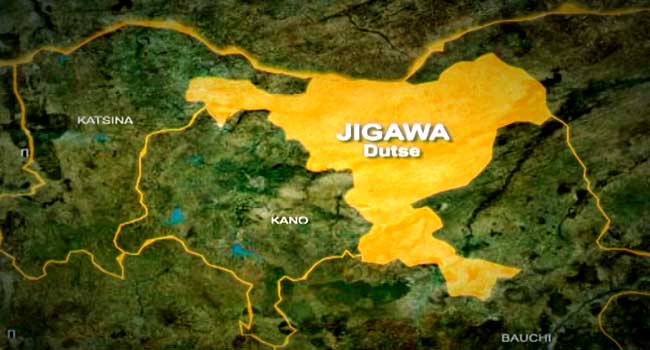
Jigawa State Executive Council has approved the award of contracts for the establishment of a computer-based test (CBT) centre at the College of Health Sciences, Jahun, and the construction and equipping of computer laboratories in four secondary schools at a combined cost of N977,965,608.
The state commissioner for Information, Youth, Sport and Culture, revealed this to newsmen during a briefing on the outcome of the State Executive Council meeting.
The commissioner noted that the projects were in line with the education transformation agenda of Governor Malam Umar Namadi, which prioritises improved educational infrastructure, the integration of technology into teaching and learning, and the development of skills needed to prepare students for emerging opportunities in the digital economy.
The approval comprises two major educational infrastructure projects aimed at strengthening digital learning, improving access to modern educational facilities and enhancing students’ preparedness for computer-based examinations.
He further revealed that the council has approved the award of a contract for the supply and installation of solar-powered systems at Information and Communication Technology (ICT) centres across the state at a total cost of N380,139,008.85.
Sagir added that the project will cover ICT centres located in Marke, Auyo, Dutse, Kazaure, Lafiya Guri, Madobi Dutse, Malam Madori, Danzomo, Sule Tankarkar, Kaugama, Kafin Hausa, Garki, Miga, Birnin Kudu, Ringim, Bulangu and Kanya Babba in Babura local government area, among other designated locations as specified in the approved contract.
According to him, the initiative is part of the broader effort of the present administration, aimed at providing reliable and sustainable electricity to the ICT Centres, reducing dependence on conventional power sources and improving the delivery of digital services, ICT training and other technology-based learning activities.
“The installation of solar-powered systems is also expected to enhance the operational efficiency of the centres, minimize disruptions caused by power outages and create a more conducive environment for digital literacy, skills acquisition and youth empowerment.
“The facility is expected to strengthen the institution’s capacity to conduct computer-based assessments and examinations, while providing students with improved access to modern testing facilities and digital learning resources,” the commissioner revealed.
We’ve got the edge. Get real-time reports, breaking scoops, and exclusive angles delivered straight to your phone. Don’t settle for stale news. Join LEADERSHIP NEWS on WhatsApp for 24/7 updates →
Join Our WhatsApp Channel