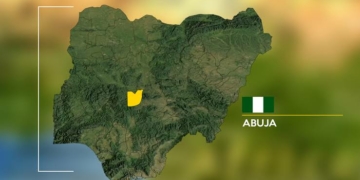

Edo State government yesterday has commenced the rehabilitation of the centuries-old Benin Moat, identifying seven locations for restoration as part of efforts to preserve the historic monument and develop its tourism potential.
The special adviser to the Governor on Tourism, Dr Munirat Antoinette Lecky, disclosed this in an exclusive chat with LEADERSHIP,
Lecky outlined the administration’s Benin Moats Rehabilitation Project, which targets encroachment, indiscriminate waste disposal and environmental degradation threatening the ancient defensive system.
The governor’s aide said the government was committed to restoring the heritage site, lamenting that years of neglect had left sections covered by vegetation, refuse and buildings.
“Currently, yes, the condition of the moat is not in its best form. Most of the moats are either covered in grass, covered in people’s property, or covered in waste,” she said.
The Benin Moat, also known as the Benin Iya or Walls of Benin, is a historic earthwork believed to have been constructed around 1460 AD to protect the ancient Benin Kingdom against invaders.
Sections of the monument now face encroachment, erosion and indiscriminate dumping of refuse, raising concerns about the preservation of the kingdom’s cultural heritage.
According to Lecky, the Edo State Tourism Agency is leading the rehabilitation project in collaboration with EdoGIS, the waste management agency and Edo Parks and Gardens.
The committee is working to identify authentic sections of the moat, remove waste, prevent further encroachment and sensitise residents to the importance of preserving the site.
“We have identified about seven spots that we could potentially turn into something,” she said, adding that the agency had begun its intervention at the Mission Road section, where fencing on one side had helped discourage waste dumping.
She disclosed that manual excavation had commenced to remove accumulated refuse, alongside awareness campaigns in surrounding communities.
Describing the moat as a heritage asset rather than a dumpsite, Lecky said: “It is actually a heritage site. If you maintain it well, you see that people from all over the world want to come to your community.”
She added that EdoGIS was helping to distinguish original sections of the moat from channels formed by erosion and years of environmental degradation.
On the restoration plan, the tourism adviser said the government would not reconstruct the entire defensive system but would introduce features to make preserved sections recognisable as historic sites.
“The first step is to clean up and prevent it from being used for waste. The next step would be to figure out what we can put there to resemble something. Obviously, we don’t rebuild the whole walls, but some elements that will help people know that this is a historic site,”she said.
We’ve got the edge. Get real-time reports, breaking scoops, and exclusive angles delivered straight to your phone. Don’t settle for stale news. Join LEADERSHIP NEWS on WhatsApp for 24/7 updates →
Join Our WhatsApp Channel