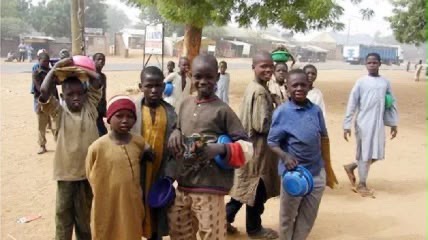
Poverty, insecurity, long distances to schools, inadequate facilities and household responsibilities continue to prevent many children in Northern Nigeria from accessing education. While some children have never enrolled in school, others are forced to drop out because their families cannot afford the costs of schooling or because insecurity disrupts their education. These challenges make it difficult for many children to attend school regularly and complete their studies.
Families with limited income often struggle to afford school supplies, uniforms and transport. Some children also help their parents with household chores, trading or farming, leaving them with little time for education.
In rural areas, long distances to schools and a lack of transport make it difficult for children to attend classes regularly. For nomadic communities, frequent movement from place to place can disrupt children’s education, especially when there are no suitable learning arrangements that accommodate their way of life.
Insecurity also forces parents to withdraw their children from school, particularly in areas affected by attacks, kidnappings and school closures. In addition, a shortage of classrooms, teachers, desks, clean drinking water and toilets reduces the quality of education and affects school attendance.
Addressing the problem requires financial support for families, lower schooling costs, the construction of schools closer to communities, better transport options, improved security and adequate school facilities.
Tackling the out-of-school crisis in Northern Nigeria requires urgent, coordinated action from federal and state governments, local authorities, community leaders, parents and development partners.
Authorities must move beyond promises by investing in safe schools, supporting struggling families, improving facilities and providing flexible learning options for nomadic communities. Communities must also help identify children who are out of school and work with relevant agencies to bring them back into education.
Most importantly, progress must be measured not only by how many children enrol, but by how many remain in school and complete their education. Every year a child is denied the opportunity to learn is a lost opportunity for that child and for the region’s future. Ensuring that every child can access and complete a quality education must therefore become a shared responsibility and an urgent priority.
We’ve got the edge. Get real-time reports, breaking scoops, and exclusive angles delivered straight to your phone. Don’t settle for stale news. Join LEADERSHIP NEWS on WhatsApp for 24/7 updates →
Join Our WhatsApp Channel