
As Nigeria transitions into the dry season, concerns over rising temperatures and the developing El Niño climate pattern have prompted fresh warnings about dehydration and other heat-related illnesses.
The Lagos State Government recently urged residents to take precautions against possible extreme heat, warning that changing weather conditions could worsen dehydration, heat discomfort, respiratory problems and poor air quality, particularly among children, older persons, pregnant women and outdoor workers.
The warning followed an advisory issued by the National Emergency Management Agency (NEMA) urging Nigerians to prepare for the potential effects of El Niño, including hotter temperatures, reduced rainfall, drought and possible flooding.
El Niño is a natural climate phenomenon characterised by warmer-than-usual sea surface temperatures in the central and eastern tropical Pacific Ocean. It influences atmospheric circulation and can affect temperatures and rainfall patterns in different parts of the world, although its effects vary by location.
LEADERSHIP reports that a new report by the Climate Impact Lab had projected that Nigeria could record 31,400 additional deaths from extreme heat over the next six months as El Niño weather pattern intensifies.
The report estimates that the wider Sahel region of Africa could record 66,800 additional heat-related deaths, with nearly half expected in Nigeria
During hot weather, the body loses water through sweating and other normal processes. When fluid loss exceeds intake, dehydration can occur, potentially leading to dizziness, weakness, headaches and, in severe cases, life-threatening complications.
As Nigerians prepare for the dry season, here are eight practical ways to reduce the risk of dehydration.
- Drink Water Regularly, Even When You Are Not Thirsty
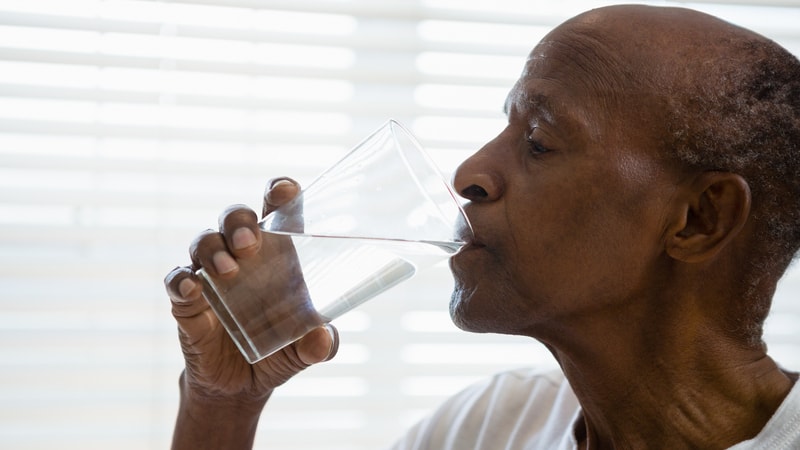
One of the simplest ways to prevent dehydration is to drink clean water regularly throughout the day rather than waiting until thirst becomes intense.
During hot weather, the body may lose more fluid through sweating, especially among people who work outdoors or engage in strenuous activities. Keeping a reusable water bottle nearby can serve as a reminder to drink at regular intervals.
However, fluid needs differ depending on age, activity level, health conditions and the weather. People with kidney or heart conditions who have been advised to restrict fluid intake should follow their healthcare provider’s recommendations instead of increasing their water consumption without guidance.
- Avoid Prolonged Exposure To Direct Sunlight
Spending long periods under intense sunlight can increase body temperature and fluid loss, raising the risk of heat exhaustion and dehydration.
NEMA has advised Nigerians to limit outdoor activities during peak heat hours, particularly between 11am and 4pm, and to schedule demanding tasks for the early morning or late afternoon where possible.
Market traders, farmers, construction workers, traffic controllers and other outdoor workers should take regular breaks in shaded or cool places. Where remaining outdoors is unavoidable, they should drink water regularly and avoid pushing themselves through symptoms such as dizziness, nausea or unusual weakness.
- Wear Lightweight, Breathable Clothing
Clothing choices can help the body regulate its temperature during the dry season.
Loose-fitting garments made from lightweight, breathable materials allow better airflow and help sweat evaporate. Light-coloured clothing, hats and umbrellas can also reduce direct exposure to sunlight.
Nigerians should consider wearing comfortable clothing suited to hot conditions, particularly when commuting, attending outdoor events or working in the sun.
At home, lightweight bedding and breathable nightwear may improve comfort during hot nights. Taking a cool shower or using a damp cloth on the skin can also help the body cool down.
- Eat Water-Rich Fruits And Vegetables
Drinking water is essential, but food can also contribute to daily fluid intake.
Fruits and vegetables such as watermelon, oranges, cucumber, tomatoes and pawpaw contain substantial amounts of water and can complement regular drinking.
These foods also provide nutrients that support general health. Nigerians can incorporate them into meals and snacks, especially when the weather is hot.
However, water-rich foods should not replace drinking water. Sugary drinks and alcohol are not ideal substitutes for adequate hydration, while people experiencing significant fluid loss may need appropriate rehydration treatment.
- Keep Your Home Cool And Well Ventilated
High indoor temperatures can make it difficult for the body to cool down, particularly in crowded homes, poorly ventilated rooms and buildings that retain heat.
Keeping windows open when outdoor conditions permit, creating cross-ventilation and using fans where available can improve airflow. Shading windows from direct sunlight and spending time in cooler areas can also help.
Where electricity supply is unreliable, households can consider low-cost measures such as opening opposite windows for airflow when safe, using light bedding and planting trees to provide shade around homes.
People should also avoid activities that unnecessarily increase indoor heat, such as burning refuse close to living areas.
- Protect Children, Pregnant Women And Older Adults
Some people are more vulnerable to dehydration and heat-related illnesses. These include infants and young children, older adults, pregnant women and people with certain chronic illnesses.
Caregivers should ensure children have regular access to drinking water when age-appropriate, monitor their condition during hot weather and avoid leaving them in parked vehicles.
Older people may not always recognise thirst promptly, making regular check-ins particularly important. Pregnant women should follow their healthcare providers’ advice on fluid intake and seek medical attention if they experience persistent dizziness, fainting or other concerning symptoms.
Families should also check on neighbours who live alone or have limited access to water, shade or cooling facilities.
- Recognise The Warning Signs Of Dehydration
Recognising symptoms early can prevent dehydration from becoming more serious.
Common warning signs include excessive thirst, a dry mouth, dark yellow urine, urinating less frequently, headache, tiredness and dizziness. These symptoms may become more pronounced after prolonged exposure to heat.
Anyone experiencing mild symptoms should move to a cooler place, rest and drink water in small, frequent sips if fully alert and able to swallow.
Confusion, seizures, collapse or loss of consciousness during extreme heat may indicate a medical emergency, including heatstroke. Seek emergency medical assistance immediately and begin cooling the person while help is arranged. Do not give fluids to someone who is unconscious or unable to swallow safely.
- Use Oral Rehydration Solution When Appropriate And Seek Medical Help
Water may be sufficient for mild dehydration, but fluid loss associated with diarrhoea or vomiting may also require an oral rehydration solution (ORS), which helps replace lost water and electrolytes.
Use a properly prepared ORS sachet according to the instructions on its packaging, mixing it with the specified amount of safe drinking water. Do not add extra sugar or salt.
People who cannot keep fluids down, have persistent vomiting, show signs of severe dehydration or deteriorate despite drinking fluids should seek urgent medical care. Children with diarrhoea, in particular, may become dehydrated quickly.
As Nigeria enters the dry season, following official weather advisories, conserving safe water supplies and adopting simple hydration habits can help households reduce preventable health risks. While individuals can take practical steps to protect themselves, access to clean drinking water, shaded public spaces and workplace heat-safety measures will also be important as temperatures change.
We’ve got the edge. Get real-time reports, breaking scoops, and exclusive angles delivered straight to your phone. Don’t settle for stale news. Join LEADERSHIP NEWS on WhatsApp for 24/7 updates →
Join Our WhatsApp Channel