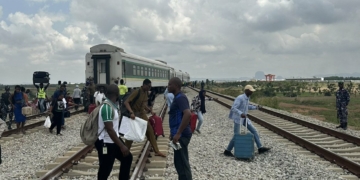
The North Central region of the country has witnessed some disturbing security incidents in recent times. This is aside from its conflict trajectory that has spanned decades in the country. One of the recent notable incidents is the mass killings that claimed the lives of over 200 people in Yelwata, Guma Local Government Area of Benue State, on the night of June 13 into June 14, 2025. This indeed calls into question the efforts of the government towards addressing the security challenges in the critical North Central region of the country.
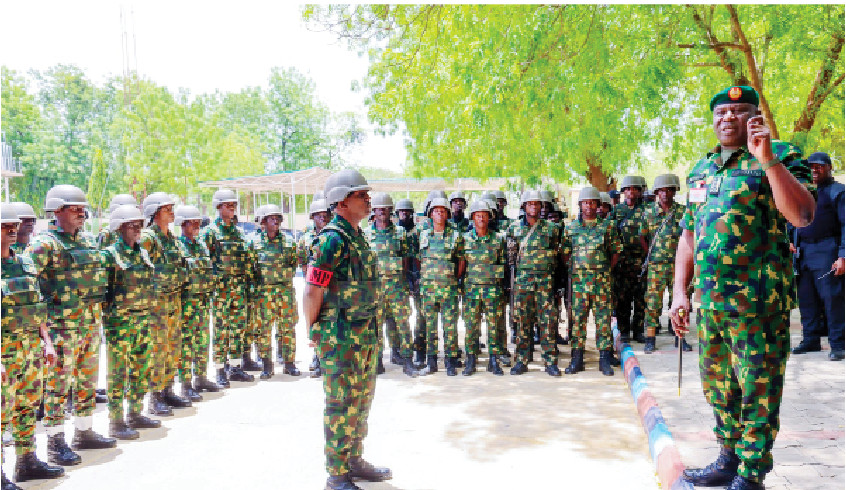
The North Central Security Summit, which follows the concluded South East Security Summit, convening in Makurdi, Benue State, organized by the Ministry of Defence in collaboration with the Office of the Senior Special Assistant to the President on Community Engagement (North Central), should serve as a wake-up call to the various stakeholders in the North Central — from political authorities, religious and traditional institutions, farmers’ associations, and pastoralist associations, to other critical stakeholders in the various states of Benue, Kogi, Nasarawa, Plateau, Kwara, and Niger — to use this opportunity to redefine the security landscape in the region.
The theme, “Collaborative Approaches in Strengthening Regional Security,” is akin to charity beginning at home, especially for the states that have been the flashpoints of conflict in the region. The farmer/herder conflict, the indigene/settler conundrum, banditry and abductions, and other acts of criminality that have infiltrated the socioeconomic lives of the people all have solutions, and finding them should be the overarching objective for the various stakeholders at the summit.
The deliberations must be honest and frank, without apportioning blame. Those that need to adjust must do so, and those that need to be proactive must also take responsibility; it must be a shared effort to reflect the very essence of the summit. Secondly, the various stakeholders must be able to come up with a concrete policy direction in this regard, as it is the expectation of this newspaper that at the end of the summit these knotty issues that have defined the security landscape in the North Central region will be addressed in a manner that is institutional rather than cosmetic.
Thirdly, there must be a deliberate move from rhetoric to actionable initiatives that would translate the hopes and aspirations of the people into tangible realities. The various stakeholders must commit to an accord that would ensure sustainable peace and progress in the North Central region. After the commitment on paper should come the commitment in practice. For this accord to mean anything, it must come with a mechanism to enforce it — a joint monitoring committee drawing from state governments, security agencies, and community representatives, with a public timeline for review, and clearly published benchmarks against which progress can be measured. Without this, the North Central Security Summit risks joining a long list of well-intentioned gatherings whose resolutions were never revisited, let alone implemented.
As a newspaper, we want to witness a peaceful and prosperous North Central region that holds great prospects in the agricultural value chain in the country. It must be stated that the region also boasts a rich mineral resource base that has the potential to turn Nigeria into a commercial hub in mineral exploitation.
This and many more are the reasons why the security of the North Central region is of great importance to the country. It is the position of this newspaper that this security summit is coming at a time when it is urgently needed, and it is expected that the outcome will bring about the lasting peace that the North Central region deserves. We urge the various stakeholders to see this as a golden opportunity to get things right. The summit will inevitably end, but its true measure will be whether its resolutions become active policy or remain idle promises.
This newspaper advocates for a paradigm shift away from building our defence policies around military operations alone. If military might alone were adequate, we would not be talking about insecurity in parts of the country. This is the reality before us, and it is up for grabs. The decision is ours, and the implication of non-action would be grimmer than what we have experienced in times past with the wave of emerging security threats across the country. This is our stand.
We’ve got the edge. Get real-time reports, breaking scoops, and exclusive angles delivered straight to your phone. Don’t settle for stale news. Join LEADERSHIP NEWS on WhatsApp for 24/7 updates →
Join Our WhatsApp Channel