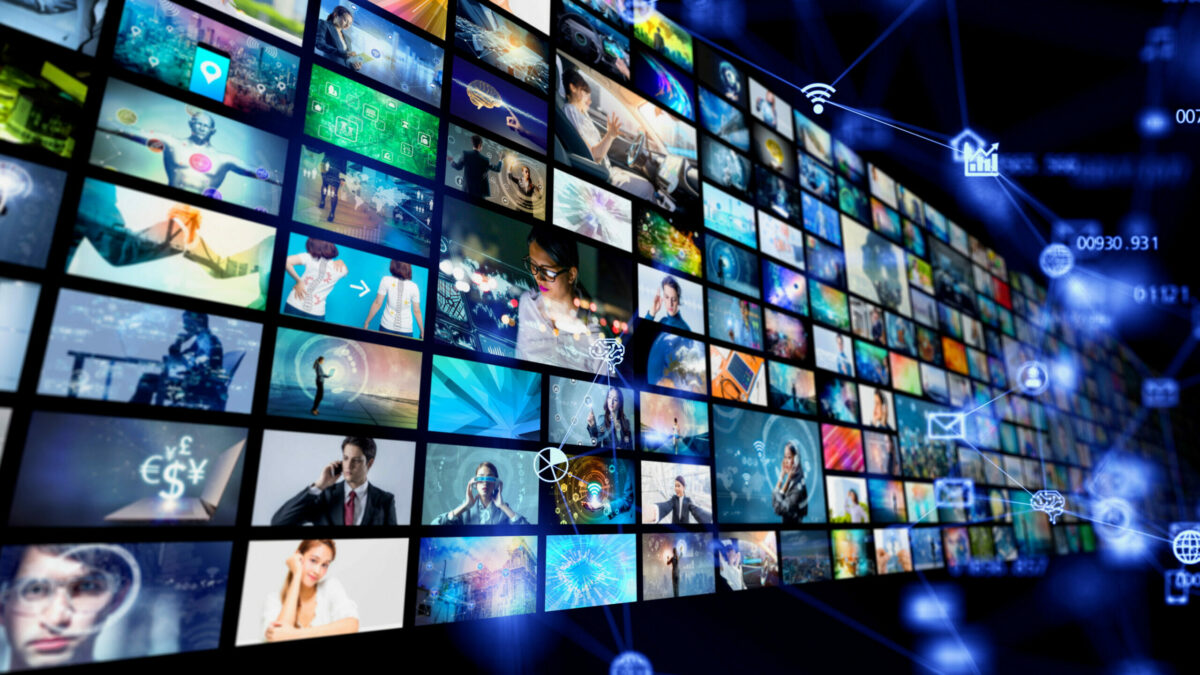
Move over, Hollywood. Africa is rewriting the digital entertainment playbook. While radio and TV once ruled the continent’s living rooms, surging smartphone adoption and faster internet speeds are fueling a digital entertainment boom that’s set to blow past the global growth average of 3.7%.
And leading the digital renaissance are Nigeria, South Africa, and Kenya. Three markets that are embracing scalable digital platforms, innovative monetization models, and youth-driven engagement tactics.
Be it streaming, gaming or even on-demand content, Africa’s digital media infrastructure is undergoing a transformative shift, one driven by how a new generation discovers, consumes, and engages with content online.
Forget Netflix, Africa Has Its Own Digital Entertainment Giants
Africa’s digital entertainment scene is forecast to generate $6.3 billion in advertising and subscription revenue by 2030. But here’s the twist – it’s not the long-form streamers like Netflix leading the charge. Instead, user-generated platforms have quietly taken over Africa’s screens, and the numbers are there to prove it.
Take Kenya as an example. It’s the most active social media country globally. As for Nigeria, YouTube commands more viewing hours than the country’s entire linear television landscape. Then there’s Showmax, the Johannesburg-based streaming giant, which now stands as the largest video streaming service across Sub-Saharan Africa, dethroning Netflix’s 1.8 million regional subscribers. And for South Africa it goes beyond video streaming.
Home to the biggest online gaming market on the continent, South Africa’s online casino scene is one of the largest growth drivers. With access to more licensed options than ever, SA players are turning to casino comparison and review sites like casino.com in South Africa to cut through the noise and find legit platforms worth their time and money. A good example that highlights the ongoing massive shift to digital entertainment options across the continent.
Mobile-First Usage is Running The Show
Forget fiber cables and flatscreen TVs. In Africa, the smartphone is the entertainment hub and the numbers are there to prove it. With 416 million+ smartphone users across the continent, digital entertainment is no longer an urban elite issue. The person streaming Afrobeats in a rural village and the one binge-watching content in a Nairobi apartment are now playing in the same digital arena, thanks to two major factors: cheaper devices and cheaper data.
As budget-friendly smartphones flooded the market and mobile data bundles became more accessible, an entirely new class of digital consumer was born. One that streams, scrolls, plays, and engages almost entirely through a mobile phone screen.
And the platforms? They read the room. Developers across the continent are building and optimizing for low-bandwidth environments, such that a spotty rural connection doesn’t mean a second-rate experience. The result is a digital entertainment ecosystem that’s widening by the day. One that’s pulling in audiences global platforms once considered out of reach and turning them into some of the most engaged digital consumers.
Interactive Digital Platforms are the New Norm
Much like the rest of the world, unwinding has taken a new form in this digital age. What was once about exploring the outdoors or watching TV has now morphed into opening an interactive digital platform. From social media apps to live gaming sites, Africa’s digital entertainment audience prefer navigating through a blend of online gaming, video content, social media, and music throughout their day.
And the best part is that the most popular interactive platforms are homegrown, or feature local narratives at the very least. Boomplay, the music streaming platform built specifically for African artists and listeners, now boasts over 100 million users across the continent (a number that Spotify is still chasing in many African markets.)
On the gaming front, studios from Lagos to Nairobi are producing mobile games rooted in African mythology, history, and street culture, finding audiences not just locally but globally. And on social media, African creators are the ones setting their own trends.
This local-first momentum is no accident. African consumers want content that reflects their reality, speaks their languages, and moves at the rhythm of their daily lives. The platforms and creators that have adopted this are not only winning in downloads and engagement numbers, but also in advancing a genuine cultural influence across a global audience that’s increasingly paying attention.
What Does the Future of Digital Entertainment in Africa Look Like?
Sector experts believe that winning in Africa’s digital entertainment scene relies heavily on the development and adoption of bespoke and flexible technology. As new tech, regulations, and trends continue to emerge, the platforms that thrive are those that remain responsive and adaptable.
Think AI-driven content recommendations built around local tastes. Payment systems designed for mobile money instead of credit cards. Streaming platforms that flex with network conditions rather than buckling under them. The next wave of winners will not be those who treat Africa as an extension of already existing markets. Rather, it will be those who deal with it as a fundamentally different operating ecosystem, because it is.
We’ve got the edge. Get real-time reports, breaking scoops, and exclusive angles delivered straight to your phone. Don’t settle for stale news. Join LEADERSHIP NEWS on WhatsApp for 24/7 updates →
Join Our WhatsApp Channel