
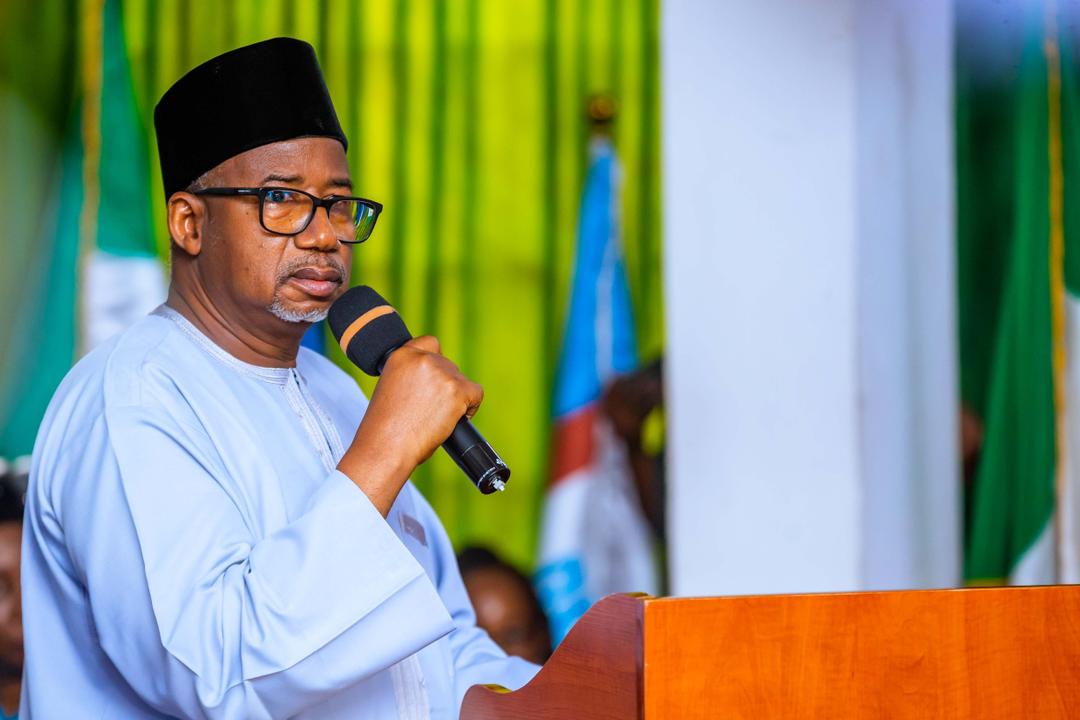
Bauchi State governor, Senator Bala Mohammed, has flagged off the Climate Resilient Infrastructure for Basic Services (CRIBS) Project to renovate and upgrade 15 primary healthcare centres (PHCs) and nine primary schools in five local government areas.
At the launch of UNICEF’s CRIBS project and the handover of the project sites to contractors at the Government House in Bauchi yesterday, Governor Mohammed expressed concern over the devastating impact of climate change on children and vulnerable communities.
He said the climate crisis directly threatens children’s ability to survive, grow, and thrive, noting that they are more physically and physiologically vulnerable to environmental shocks than adults.
Represented by his deputy, Mohammed Auwal Jatau, the governor said children were less able to withstand extreme weather events such as floods, droughts, storms, and heatwaves, while also facing greater risks of diseases worsened by climate change, including cholera and malaria, due to weaker immune systems.
“An estimated 850 million children worldwide, one in every three children, currently live in areas where at least four climate and environmental shocks overlap,” he said.
The governor noted that Nigeria remains one of the most climate-vulnerable countries in the world and a priority nation for climate adaptation efforts, adding that the country is home to about 10 per cent of the world’s children living in the highest-risk climate zones.
He explained that climate change continues to disrupt education and worsen climate-related illnesses, deaths and malnutrition, especially among women and girls who remain among the most vulnerable groups.
The governor noted that healthcare facilities themselves are increasingly vulnerable to climate impacts, affecting their ability to provide life-saving services to vulnerable populations.
Governor Mohammed also lamented the effects of recurrent flooding and heavy rainfall on education, saying that school closures, facility destruction, and the conversion of schools into emergency shelters continue to deny children access to learning.
He commended the United Kingdom Government, through the Foreign, Commonwealth and Development Office (FCDO), for supporting efforts to address the devastating effects of climate change on health and education infrastructure.
According to him, the FCDO, in collaboration with government and non-government partners, developed the Climate Resilient Infrastructure for Basic Services Programme, which is being implemented in Bauchi state by UNICEF.
Earlier, the Chief of UNICEF Bauchi Field Office, Dr Nuzhat Rafique, said the organization remains committed to protecting children and ensuring their well-being despite growing climate challenges.
She noted that climate change is no longer a future threat but a present reality, evident in rising temperatures, destructive rainstorms and worsening environmental conditions affecting schools and healthcare facilities.
According to her, many children remain out of school while several health facilities and schools lack access to clean water and proper sanitation.
Also, the Bauchi State commissioner for Health and Social Welfare, Dr Sani Mohammed Dambam, said the project was designed to provide a conducive and climate-resilient environment for quality maternal and child healthcare services in line with global best practices.
He said the Bala Mohammed administration has consistently prioritised the health sector, including organising the state’s first comprehensive health summit and declaring a state of emergency on healthcare.
Dambam added that the administration has consistently met the Abuja Declaration target of allocating at least 15 per cent of the state budget to the health sector.
We’ve got the edge. Get real-time reports, breaking scoops, and exclusive angles delivered straight to your phone. Don’t settle for stale news. Join LEADERSHIP NEWS on WhatsApp for 24/7 updates →
Join Our WhatsApp Channel