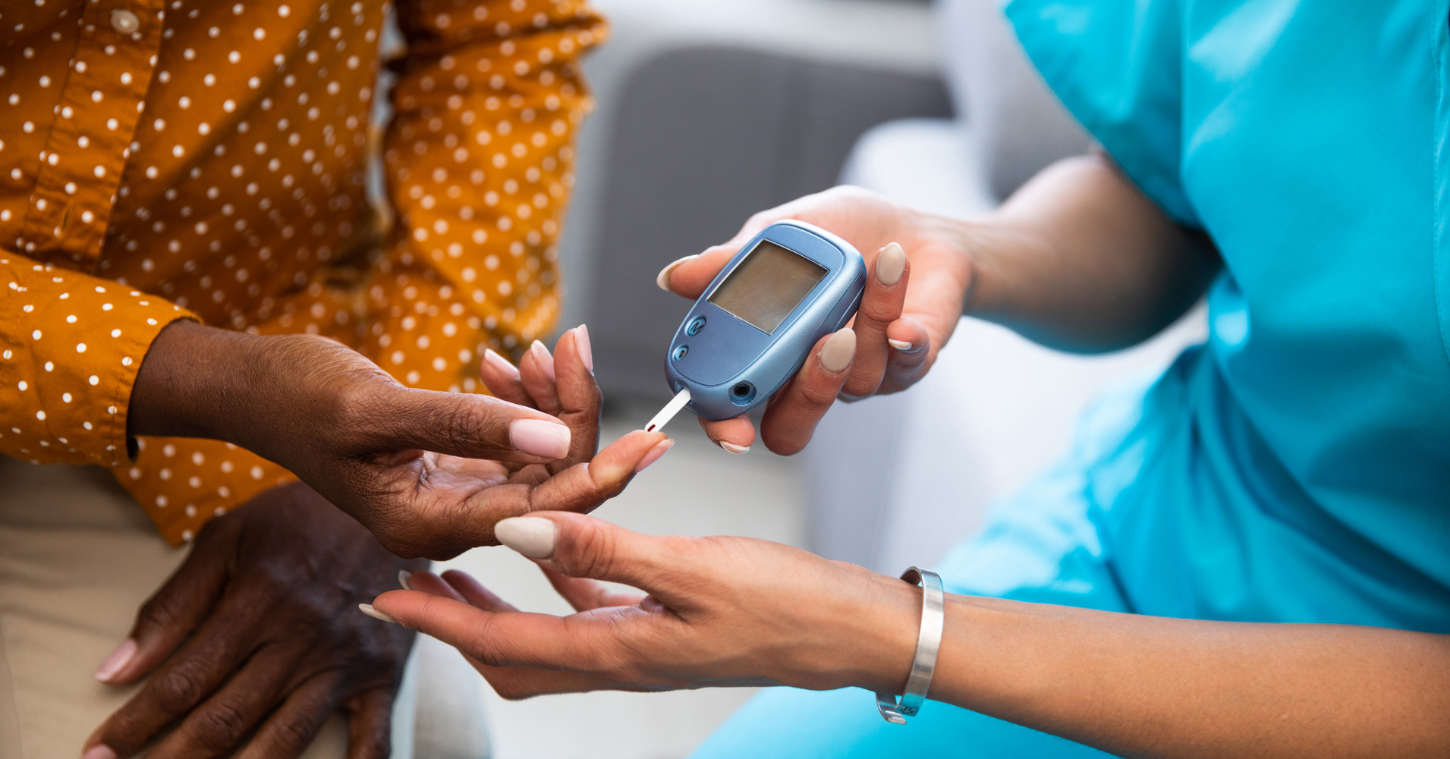
The international community just marked World Diabetes Day in keeping with the United Nations’ Resolution 61/225. The event is instituted to draw attention to this debilitating disease.
This year’s theme: “Breaking Barriers, Bridging Gaps” underpins the commitment to reducing the risk of diabetes and ensuring that all people who are diagnosed with the disease have access to equitable, comprehensive, affordable and quality treatment and care.
Sadly, the prevalence of diabetes mellitus (DM) is increasing globally, particularly in low and middle-income countries, driven by factors such as rapid population growth, urbanisation, obesity, and physical inactivity.
Estimates from the World Health Organisation (WHO) indicate that in 2022, diabetes affected nearly 246 million people of 30 years and above in the agency’s South-East Asia Region.
According to the health body, Nigeria has the highest incidence of diabetes in sub-Saharan Africa while the African region is estimated to have the highest rate of undiagnosed diabetes in the world.
Diabetes in the region is a serious, chronic and costly disease that is estimated to rise to 23.9 million cases by 2030.
Also, a research carried out by the National Library of Medicine in 2018, noted that there had been an increase in the prevalence of DM in Nigeria and all regions of the country were affected, with the highest prevalence seen in the South-South geopolitical zone.
Though there isn’t much information about Nigeria’s diabetes rate in 2024, statistics from the World Bank posited that the prevalence of diabetes in Nigeria in 2021 was 3.6 per cent.
This newspaper recalls that in 2016, WHO estimated that 4.3 per cent of Nigerians had diabetes and in 2021, the International Diabetes Federation (IDF) reported that 3.7 per cent of adults in Nigeria had diabetes.
This is the percentage of people aged 20–79 who have type 1 or type 2 diabetes.
This year, Nigeria Demographic Health Survey (NDHS) found that diabetes and hypertension were among the important findings on non-communicable diseases (NCDs).
This is the first time since the NDHS began in 1990 that NCDs have been tracked as a health metric for Nigerians.
This is even as the Diabetes Association of Nigeria (DAN) warned that six million Nigerians with diabetes are facing existential threat, following the skyrocketing cost of healthcare.
The National President of DAN, Dr. Ejiofor Ugwu, in a statement to mark the World Diabetes Day, added that 30,000 to 40,000 Nigerians die annually from the condition.
Like everything else, the burden of managing diabetes in Nigeria is exacerbated by poverty, low disease awareness, and limited healthcare resources.
Instructively, we recognise that over the past year, prices of essential diabetes medications and consumables have surged, with insulin costs increasing from N4,000 to N18,000 per vial – a 400 per cent rise – rendering necessary care inaccessible for many Nigerians.
It stands to reason that this, undoubtedly, poses a significant barrier to optimal diabetes care in Nigeria as majority of patients can no longer afford care, resulting in increased diabetes complications and premature deaths.
We know that these complications not only impose emotional and financial burden on individuals and families but also significant financial strain on healthcare systems.
The WHO classified diabetes into four main types: type 1 diabetes, type 2 diabetes, gestational diabetes, and other specific types of diabetes.
In Africa, the most common types of diabetes are type 1 and type 2 and experts are of the view that the difficulty in classifying some forms of diabetes in Africa can make it difficult to diagnose patients based on the usual clinical criteria.
The world health body attributes the prevalence of diabetes in Nigeria to lifestyle changes, family history of diabetes, urbanisation, unhealthy diets, lack of exercise, tobacco use, and harmful use of alcohol.
But the WHO said bridging the service gaps to ensure timely access to diabetes care can save lives and care services need to be equitable, comprehensive, accessible, and affordable.
Diabetic patients often lack access to proper treatment and medications, especially insulin, resulting in avoidable complications.
Complications include neurological, vascular or visual disorders, heart disease, stroke, lower limb amputation, kidney failure and many other chronic conditions.
The main symptoms of diabetes include increased thirst, needing to urinate more often than usual, and increased hunger.
The lack of readiness of the nation’s primary healthcare systems in terms of standard management protocol availability of essential medicines, issues related to availability and affordability of quality diagnostics, and trained healthcare professionals need to be remedied immediately.
We lend our voice to that of DAN’s, calling on the federal government to take urgent measures, including subsidising diabetes medications and consumables to ease patients’ financial burden and reinstating the sugar-sweetened beverage tax, with funds directed towards diabetes prevention and care.
Other measures needed in our opinion, include conducting a national survey on non-communicable diseases (NCDs) to provide essential data for healthcare policy-making and eliminating import taxes on diabetes medications and consumables to reduce costs.
We’ve got the edge. Get real-time reports, breaking scoops, and exclusive angles delivered straight to your phone. Don’t settle for stale news. Join LEADERSHIP NEWS on WhatsApp for 24/7 updates →
Join Our WhatsApp Channel