

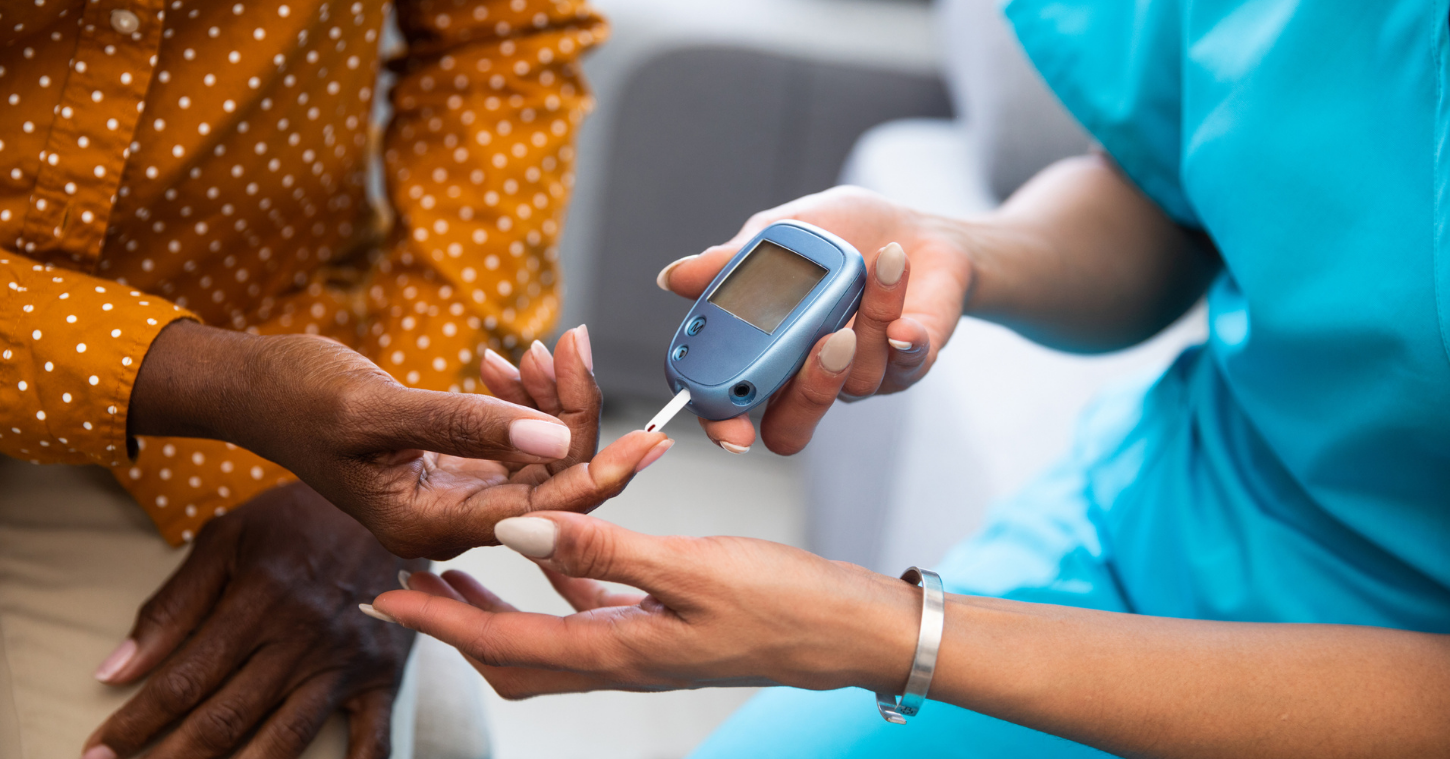
As Nigeria joins the rest of the world on November 14 to mark the 2026 World Diabetes Day, the theme chosen for this year, “Early Action on Diabetes,” could hardly be more fitting for a country where most people living with the disease find out only when it has already maimed them. According to the Diabetes Association of Nigeria (DAN), an estimated 11.4 million Nigerians are living with diabetes, and its National President, Prof. Ejiofor Ugwu, believes the true figure could be about three times higher because most cases are never diagnosed. That is a public health emergency hiding in plain sight.
The figures assembled by the association should alarm every policymaker. Of those who have been diagnosed, only about a third are on appropriate treatment, and only a third of that group achieve good control of their blood sugar. Some 94 per cent of people living with diabetes have suffered at least one complication, and 80 per cent were diagnosed only after a complication had already set in. Diabetes is among the top three causes of blindness and kidney failure in Nigeria, accounts for about six in 10 patients on dialysis and is responsible for about 60 per cent of all limb amputations nationwide. It kills an estimated 30,000 Nigerians every year.
Behind those statistics lie ruined lives. The World Health Organisation (WHO) estimates that nearly three out of every four adults living with diabetes in Africa remain undiagnosed, the highest rate in the world. Many teaching hospitals in Nigeria record at least one diabetes-related leg amputation every week. Prof. Ugwu has spoken of mothers rationing insulin and of workers who arrive at hospital already blind or with a foot marked for amputation. These are deaths and disabilities that early diagnosis and steady treatment could have prevented.
The heart of the crisis is cost. According to DAN, the prices of diabetes medicines and consumables have risen by more than 500 per cent in the last five years, and the average monthly cost of care now stands between N200,000 and N300,000. The President of the Healthcare Federation of Nigeria, Dr Njide Ndili, notes that a vial of insulin which once cost about N5,000 now sells for around N25,000. Many patients need two vials a month, and with the national minimum wage at N70,000, insulin alone would swallow more than two-thirds of a low-income worker’s pay. “For an insulin-dependent patient on minimum wage, managing diabetes alone is effectively out of reach,” she said.
The testimony of the National Coordinator of the Network of Persons Living with Diabetes in Nigeria, Bernard Enyia, shows what this means for a family. He spends more than 60 per cent of his income on treatment, has mortgaged his property and taken loans to pay hospital bills, and admits that he sometimes sacrifices his children’s school fees to buy medication. When insulin is unavailable, he rations his doses. If an official of a national patients’ network is pushed to such extremes, the fate of a farmer in a village where care is almost non-existent can only be imagined.
In our view, a health system that forces the sick to pay from their own pockets cannot protect the poor. Most Nigerians still pay for care out of pocket, and the removal of the fuel subsidy and the general rise in living costs have made matters worse. As Dr Ndili observed, when transport, food and drug prices rise together, chronic care is often the first thing families cut. HFN member facilities already report fewer clinic visits and lower refill rates, so more patients will return only when complications force them back, at far greater cost.
To its credit, the federal government has taken some steps. Through the National Biotechnology Research and Development Agency, it has signed an agreement with a Chinese firm, Shanghai Haiqi Industrial Company Limited, to produce insulin locally. It told the World Health Assembly last year that more than 60,000 frontline health workers had been trained to provide integrated care, including diabetes management, and it has announced plans for pooled procurement of essential diabetes and hypertension medicines. These are welcome initiatives, but announcements do not lower the price of a vial of insulin in a pharmacy in Minna or Onitsha. Nigerians need to see timelines and results.
The first priority must be affordability. Government should subsidise insulin, oral drugs, glucometers and test strips without delay and grant a full tax waiver on imported diabetes medicines and consumables until local production comes on stream. The National Health Insurance Authority must expand its coverage to include diabetes medicines and test strips, especially in rural areas, so that patients are not left to bear the cost of a lifelong condition alone.
Dr Ndili was right when she said that turning a lifelong out-of-pocket cost into a covered, predictable one is the biggest single change the country can make.
The second priority is early detection. Primary healthcare centres must be equipped and staffed to screen for diabetes and manage uncomplicated cases, so that diagnosis no longer depends on reaching a teaching hospital. Nigeria also needs a National Diabetes Registry and a national survey of non-communicable diseases, since a country that does not know how many of its citizens are sick cannot plan to treat them. The Coordinating Minister of Health and Social Welfare, Prof. Muhammad Ali Pate, should fast-track the National Diabetes Policy and Strategic Plan that DAN has long demanded.
Prevention deserves equal attention. The tax on sugar-sweetened beverages, which was stopped in June 2024, should be restored and raised from N10 per litre, with the proceeds set aside by law for the prevention and treatment of diabetes and other non-communicable diseases. Citizens, for their part, must take regular screening seriously, since the disease can do its damage for years before any symptom appears. Prof. Ugwu has urged the minister not to allow another year of speeches while patients die quietly. That plea deserves an answer in deeds before the next World Diabetes Day comes round.
No Nigerian should lose a leg or a life because insulin cost more than he could earn.
We’ve got the edge. Get real-time reports, breaking scoops, and exclusive angles delivered straight to your phone. Don’t settle for stale news. Join LEADERSHIP NEWS on WhatsApp for 24/7 updates →
Join Our WhatsApp Channel