
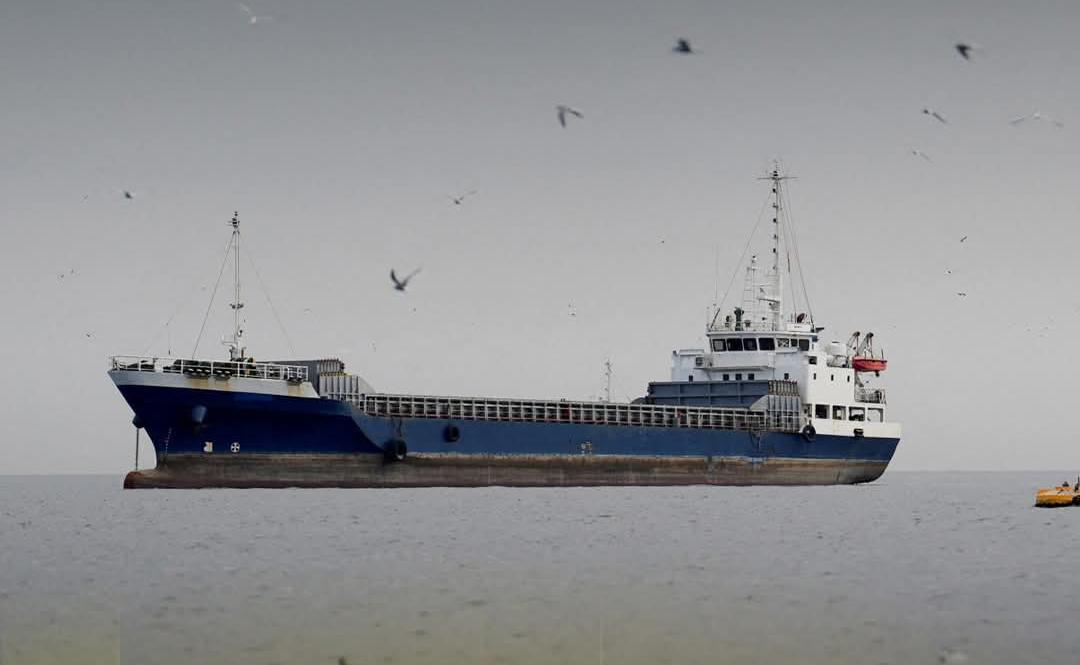
Iranian state media has reported that the Strait of Hormuz has been once again placed under “strict control,” effectively limiting passage, after Iran accussed the United States of failing to fulfil its obligations to lift a naval blockade on Iranian ports.
According to Iran’s state broadcaster, Islamic Republic of Iran Broadcasting (IRIB), the latest military directive implies that the key global shipping route “is now closed again and passage requires IRAN approval.”
The development followed a brief reopening of the strait after a 10-day ceasefire between Israel and Lebanon, which had raised hopes of easing disruptions in global oil supply chains.
In a statement released by the Iranian military’s joint command, authorities said the waterway had “returned to its previous state” due to Washington’s refusal to lift restrictions on Iranian maritime activity.
“The Islamic Republic of Iran, following previous agreements in negotiations, has agreed in good faith to the managed passage of a limited number of oil tankers and commercial ships through the Strait of Hormuz,” the statement read.
“Unfortunately, the Americans… continue… the so-called blockade.
“For this reason, control of the Strait of Hormuz has returned to its previous state, and this strategic strait is under the strict management and control of the armed forces.
“As long as the United States does not end the complete freedom of passage of vessels from Iran to destination and from destination to Iran, the situation in the Strait of Hormuz will remain under strict control and in its previous state.”
The Strait of Hormuz, a critical conduit for global oil exports, had earlier been declared effectively closed by Iran following the start of US military offensives on February 28. While Iranian officials later clarified that limited passage would be permitted subject to approval—excluding vessels deemed “hostile” or linked to the US and Israel—shipping activity remained significantly reduced.
Although traffic briefly resumed earlier on Friday, with Reuters reporting the “first major movement of ships” since the onset of hostilities, the renewed restrictions are expected to further unsettle global energy markets.
US President, Donald Trump, had earlier welcomed Iran’s temporary reopening of the strait but maintained that the US blockade of vessels entering and exiting Iranian ports in the Persian Gulf would remain in place until a broader agreement was reached.
We’ve got the edge. Get real-time reports, breaking scoops, and exclusive angles delivered straight to your phone. Don’t settle for stale news. Join LEADERSHIP NEWS on WhatsApp for 24/7 updates →
Join Our WhatsApp Channel