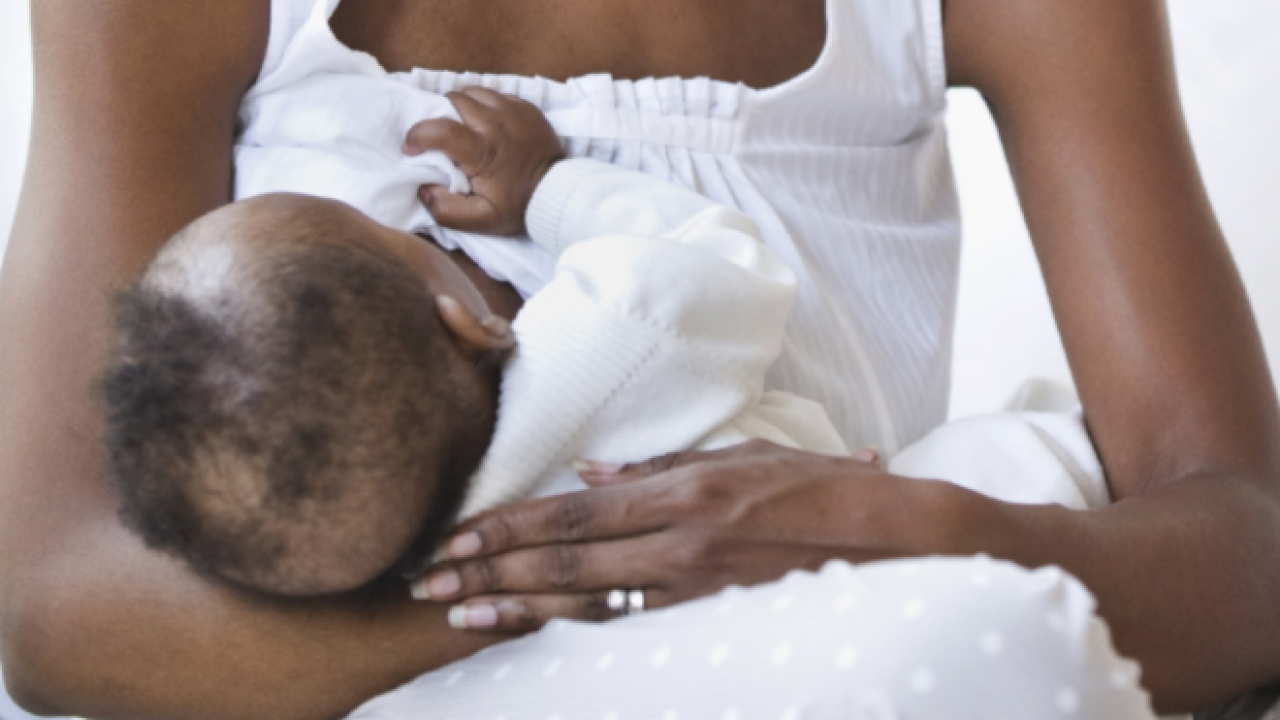
Nigeria faces significant barriers to breastfeeding, including insufficient maternity leave policies, lack of workplace support, and inadequate access to breastfeeding education and services, especially in rural areas.
According to the World Health Organisation (WHO) and UNICEF, only seven states in Nigeria currently offer the recommended 24 weeks of paid maternity leave, leaving many women without support to continue breastfeeding after returning to work.
Emphasising the benefits of breastfeeding, UNICEF Nigeria’s country representative, Cristian Munduate,, said it is a”foundation of lifelong health and well-being.”
Munduate noted that many Nigerian mothers encounter cultural, social, and practical barriers that prevent them from exclusively breastfeeding for the first six months of their child’s life.
She said these obstacles include societal norms, lack of support, and workplace challenges, which need to be addressed to improve breastfeeding rates further.
This year’s World Breastfeeding Week, under the theme “Closing the Gap: Breastfeeding Support for All,” focuses on enhancing breastfeeding support to reduce health inequity and protect the rights of mothers and babies. The campaign highlights the need for comprehensive support systems to enable more mothers to practice exclusive breastfeeding, thus improving health outcomes for both infants and mothers.
UNICEF and WHO have, therefore, called for a collaborative effort from the government, employers, healthcare providers, and communities to address these issues. They suggested extending paid maternity leave, creating breastfeeding-friendly workplaces, and providing comprehensive breastfeeding education and support services.
The organisations stressed the necessity of improving data availability on policies supporting breastfeeding, such as family-friendly employment policies, regulation of breastmilk substitutes marketing, and investment in breastfeeding programs.
Enhanced monitoring systems are crucial to boosting the effectiveness of breastfeeding policies and programs, informing better decision-making, and ensuring adequate financing of support systems, they added.
UNICEF and WHO emphasised that when breastfeeding is protected and supported, women are more than twice as likely to breastfeed their infants.
They called on families, communities, healthcare workers, policymakers, and other decision-makers to “Increase investment in programs and policies that support breastfeeding through dedicated national budgets.
“Implement and monitor family-friendly workplace policies, including paid maternity leave, breastfeeding breaks, and access to affordable childcare.
“Ensure at-risk mothers receive breastfeeding support tailored to their needs, including effective breastfeeding counseling as part of routine health coverage.I
“Improve monitoring of breastfeeding programs and policies to further enhance breastfeeding rates.D
“Envelop and enforce laws restricting the marketing of breastmilk substitutes, including digital marketing, with routine monitoring of Code violations.”
With these measures, the organisation believe that Nigeria can significantly improve breastfeeding rates and ensure better health outcomes for mothers and their children.
However, the organisations noted that over the past 12 years, Nigeria has made significant strides in improving exclusive breastfeeding rates, with the percentage of infants under six months of age who are exclusively breastfed increasing by more than 10 percent, according to UNICEF and WHO.
According to them, “Currently, 34 percent of Nigerian infants benefit from exclusive breastfeeding, a crucial factor in saving the lives of hundreds of thousands of babies.”
This practice is crucial in saving the lives of hundreds of thousands of babies, providing them with essential antibodies that protect against illness and death, particularly during emergencies.
Exclusive breastfeeding also reduces childhood illness and lowers the risk of certain cancers and non-communicable diseases for mothers, said UNICEF.
Despite this progress, Nigeria still faces challenges in meeting the WHO’s target of increasing exclusive breastfeeding to at least 50 percent by 2025
As the country continues to make progress, it is essential to address these barriers and support initiatives that promote and facilitate exclusive breastfeeding to achieve the WHO’s 2025 target.
We’ve got the edge. Get real-time reports, breaking scoops, and exclusive angles delivered straight to your phone. Don’t settle for stale news. Join LEADERSHIP NEWS on WhatsApp for 24/7 updates →
Join Our WhatsApp Channel