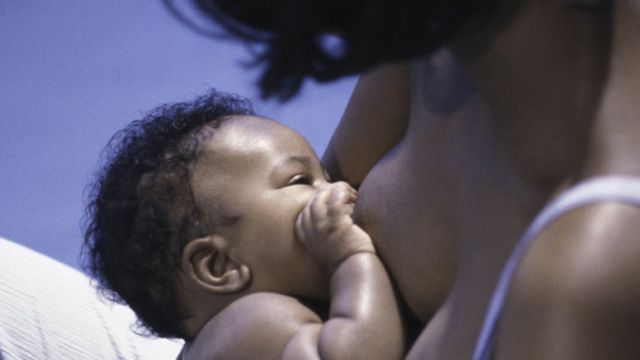
The annual World Breastfeeding Week event once again highlights one of the most effective and affordable ways of improving child survival and maternal health.
On the occasion, the United Nations Children’s Fund (UNICEF) and the World Health Organisation (WHO) renewed their call for sustained investment to protect, promote and support breastfeeding so that every child is given the best possible start in life.
Breastfeeding is widely recognised as one of the most powerful interventions for reducing infant mortality and improving long-term health outcomes.
Beyond nourishing babies, it strengthens the bond between mother and child and provides lifelong benefits for both.
Studies have shown that breastfeeding reduces a mother’s risk of breast and ovarian cancers as well as Type 2 diabetes, while also contributing to healthier families and stronger economies.
World Breastfeeding Week, first observed in 1992 by the World Alliance for Breastfeeding Action (WABA) in collaboration with UNICEF and the WHO, is celebrated annually from 1 to 7 August to commemorate the 1990 Innocenti Declaration on the Protection, Promotion and Support of Breastfeeding.
This year’s theme, “Breastfeeding for a Sustainable Start in Life – Strengthen What Works,” emphasises the importance of building on proven strategies to improve exclusive breastfeeding for the first six months of life.
It also underscores the collective responsibility of families, communities, employers and governments in creating an environment that enables mothers to breastfeed successfully.
For Nigeria, the message could not be more timely. Although the country has recorded gradual improvements in maternal and child health over the years, the gains remain fragile.
The under-five mortality rate remains among the highest globally, while maternal deaths continue to pose a significant public health challenge.
Compounding these concerns is the country’s worsening nutrition crisis, which threatens to reverse the modest progress already achieved.
The Federal Ministry of Health and Social Welfare has repeatedly warned that Nigeria is facing a triple burden of malnutrition comprising undernutrition, micronutrient deficiencies, and rising levels of overweight and obesity.
This complex challenge affects millions of households and has severe implications for national development.
An estimated two million Nigerian children currently suffer from severe acute malnutrition, while more than 36 million people face food insecurity nationwide. In conflict-affected northern states alone, over 17 million people are experiencing crisis-level hunger.
Among those most affected are pregnant and breastfeeding mothers who struggle daily to obtain adequate and nutritious food. Without proper maternal nutrition, the health of both mother and child is placed at serious risk.
Poor nutrition during pregnancy and the first two years of a child’s life has lifelong consequences.
According to the Minister of Health and Social Welfare, Professor Muhammad Ali Pate, inadequate nutrition during this critical period can lead to stunting, impaired cognitive development, weakened immunity and reduced economic productivity later in life.
These effects are often irreversible, making early intervention essential.
Breastfeeding therefore becomes more than a personal choice; it is a national development priority.
Exclusive breastfeeding for the first six months provides infants with all the nutrients they need while protecting them against common childhood illnesses such as diarrhoea and pneumonia, which remain leading causes of child mortality. It also reduces healthcare costs for families and the nation by preventing diseases that require expensive treatment.
Despite widespread awareness of breastfeeding, Nigeria continues to record poor breastfeeding practices. Although more than 90 per cent of Nigerian mothers breastfeed their babies, optimal breastfeeding remains well below national and global targets.
According to UNICEF, only one in three Nigerian babies is breastfed within the critical first hour after birth, while only three in ten infants receive exclusive breastfeeding for the recommended first six months.
UNICEF has rightly described this gap as a silent emergency that undermines child survival and development across the country. Failure to initiate breastfeeding early and maintain exclusive breastfeeding exposes millions of infants to preventable infections, malnutrition and poor cognitive development, with consequences that may last a lifetime.
Recognising the urgency of the situation, the Federal Government recently launched the First 1,000 Days of Life Nutrition Social and Behaviour Change Campaign as part of activities marking this year’s World Breastfeeding Week.
The initiative seeks to promote improved maternal nutrition, early initiation of breastfeeding and exclusive breastfeeding during the first six months of life.
Pate described breastfeeding as one of the smartest investments any nation can make in healthier children, stronger families and more resilient communities.
He also stressed that breastfeeding is a shared responsibility requiring the support of families, healthcare workers, employers, communities and governments. Mothers are far more likely to succeed when they receive accurate information, supportive healthcare services, adequate maternity protection and conducive workplaces that allow them to continue breastfeeding after returning to work.
This is where both the public and private sectors must step up. Government should strengthen nutrition programmes, improve access to maternal healthcare and enforce policies that support breastfeeding in workplaces and public spaces.
Employers should provide paid maternity leave, breastfeeding breaks and suitable facilities for nursing mothers. Communities, religious institutions and traditional leaders also have an important role in challenging harmful cultural practices and encouraging mothers to breastfeed exclusively.
Ultimately, every Nigerian child deserves the best possible start in life, and breastfeeding remains one of the simplest, safest and most cost-effective ways of achieving that goal.
As Nigeria battles widespread malnutrition and food insecurity, strengthening breastfeeding support is no longer merely a health intervention but an economic and social necessity.
Investing in breastfeeding today is an investment in a healthier, more productive and more prosperous Nigeria tomorrow.
We’ve got the edge. Get real-time reports, breaking scoops, and exclusive angles delivered straight to your phone. Don’t settle for stale news. Join LEADERSHIP NEWS on WhatsApp for 24/7 updates →
Join Our WhatsApp Channel