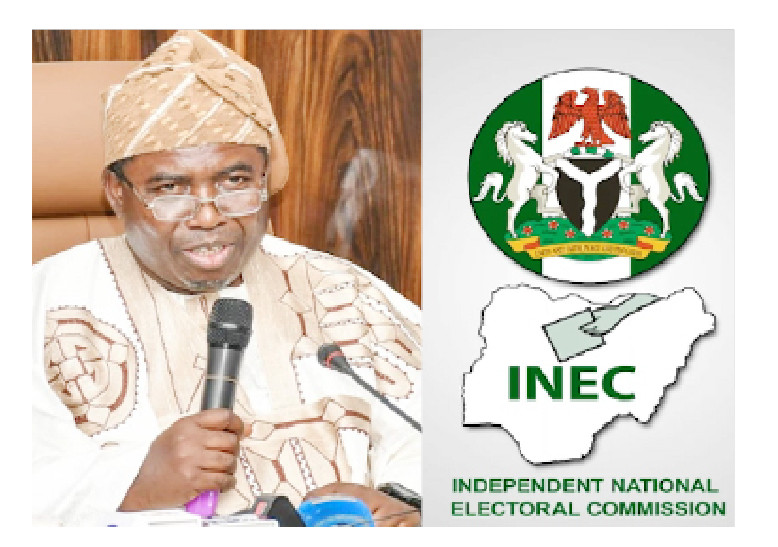
Public Analyst and Development Consultant, Victor Walsh Oluwafemi, has called for due process and responsible public discourse over calls for the resignation of the Chairman of the Independent National Electoral Commission (INEC), Prof Joash Amupitan, SAN.
Oluwafemi, in a statement, described the calls as premature and as a risk to democratic stability in the country.
He said that while accountability remains central to any functioning democracy, the manner, tone, and timing of these demands raise serious questions about intent and consequences.
“It is important to critically examine whether such calls are grounded in verifiable institutional breaches or whether they reflect political positioning and reactionary pressure.
“The positions recently advanced by the African Democratic Congress and the Supreme Council for Shari’ah in Nigeria, if not exercised with caution, risk projecting a troubling precedent that leadership within critical national institutions can be influenced through public agitation rather than constitutional procedure.
“When institutions begin to respond to pressure instead of process, democracy itself becomes negotiable. Nigeria’s constitutional framework is unambiguous. The removal of the INEC Chairman is not a matter for public sentiment or media campaigns, but one strictly governed by law.
“It is therefore both prudent and necessary to advise that all grievances, allegations, or concerns be subjected to judicial scrutiny, Oluwafemi stressed.
He said restraint is not only advisable but also essential at this stage, adding that in every serious democracy accusation must travel through the courts, not through microphones.
“Equally concerning is the growing trend of unguarded and, in some instances, uncultured utterances across television, radio, and digital platforms.
“Public commentary on matters of national importance must be measured, responsible, and evidence-based. The consequences of careless rhetoric are neither theoretical nor distant.
“Recent electoral observations in Nigeria recorded over 200 incidents of election-related violence, with multiple fatalities.
“A significant driver of such tensions has consistently been inflammatory rhetoric and the premature delegitimisation of institutions. Words, when recklessly deployed in a fragile political climate, can become triggers rather than expressions.”
“It is therefore imperative to caution all stakeholders. Opposition actors must ensure that their engagements strengthen democratic confidence rather than weaken institutional trust.
“Socio-religious organisations must be mindful of the weight of their voice, particularly in matters that intersect with national governance.
“Those who appear on radio and television must understand that public platforms are not merely spaces for expression, but instruments that shape national mood and direction. Discipline in speech is not a limitation; it is a responsibility.
“Freedom of expression must never become a licence for institutional erosion. This is not a defence of any individual. It is a defence of process, order, and democratic stability. Where there is credible evidence of wrongdoing, it must be tested through lawful and constitutional channels. Disputes must be resolved within the framework of the judiciary.
“Until such processes have run their course, calls for resignation remain premature and potentially destabilising.
A nation does not strengthen its democracy by removing officials through pressure, but by upholding the systems designed to hold them accountable,” Oluwafemi added.
We’ve got the edge. Get real-time reports, breaking scoops, and exclusive angles delivered straight to your phone. Don’t settle for stale news. Join LEADERSHIP NEWS on WhatsApp for 24/7 updates →
Join Our WhatsApp Channel