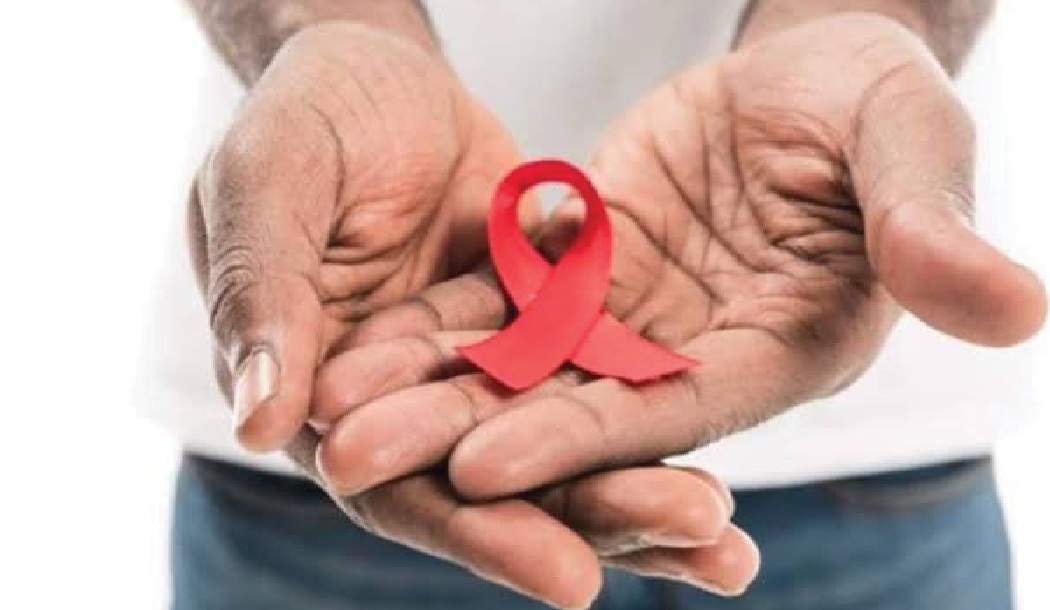
The breast cancer awareness month (BCAM) is celebrated globally every October to create awareness about breast cancer and this year’s theme is, “No-one should face breast cancer alone.”
Cancer is globally recognised as one of the leading Non Communicable Diseases (NCDs) and a major contributor of morbidity and mortality with an estimated over 19.3 million new cases and almost 10 million deaths in 2020.
Breast cancer is considered as the most common cancer globally with around 2.3 million new cases every year.
According to the World Health Organisation (WHO), it represents one in eight cancer cases in both sexes and a quarter of all cancers in women with 70 per cent mortality occurring in resource constrained settings.
In 2020, Nigeria reported an estimated 124,815 new cancer cases and 78,899 cancer deaths, mostly from breast, cervical and prostate cancers and the country is projected to experience an increase in cancer incidence by 2040.
Global estimates reveal striking inequities in the breast cancer burden according to human development. For instance, in countries with a very high Human Development Index (HDI), 1 in 12 women will be diagnosed with breast cancer in their lifetime and 1 in 71 women die of it.
In contrast, in countries with a low HDI; while only 1 in 27 women is diagnosed with breast cancer in their lifetime, 1 in 48 women will die from it.
Female gender is the strongest breast cancer risk factor as approximately 99% of breast cancers occur in women and 0.5–1% of breast cancers occur in men.
This paper recognises that cancer is extremely disruptive; it involves treatment and changes to relationships, careers and lifestyles and can have a huge impact on future goals.
This is compounded by the country’s age-old, weak health system, high out-of-pocket medical costs, cancer stigma, and a highly patriarchal society that increases women’s vulnerability.
Buttressing this, the WHO noted that health system barriers and patient level factors with low levels of awareness and knowledge are contributing to low uptake of early detection services, with resultant late-stage diagnoses and poor outcomes.
In many resource-constrained settings like ours, breast cancer affects a relatively younger population significantly contributing to premature mortality and maternal orphans.
This paper recalls that it was in a bid to change this ugly trend that the federal government established the National Institute for Cancer Research and Treatment ( NICRAT( through the NICRAT Establishment Act 2017 to provide national leadership in cancer research treatment and control in the country.
The director general of the centre, Prof Usman Aliyu, noted that the National Strategic Cancer Control Plan 2023 – 2027 was developed to ensure effective coordination and availability of adequate resources (including human and material) for cancer research, diagnosis, treatment, prevention and care in the country.
Much as this paper applauds and commends this initiative, implementation still leaves much to be desired, especially in regards to the stark statistics.
This paper recalls that earlier this year in February, the Director General of Nigeria Nuclear Radiation Authority (NNRA), Yau Idris, revealed that Nigeria, with more than 200 million population, had only eight certified radiotherapy centres with just two modern nuclear centres available for cancer care but were not working.
According to the WHO, more than 50 per cent of cancer patients require radiotherapy as part of cancer care, particularly for the frequent treatment of the more common types including breast, cervical, colorectal, and lung cancers.
Mr Yau also noted that Nigeria has only seven linear accelerator machines for cancer treatment while South Africa with less than 60 million population has 92 of such and Egypt has 76.
This is even as researches have shown that black women are more likely to die from breast cancer than women of any other racial or ethnic group.
This is even as breast cancer death rates have declined in every other racial and ethnic group since the 1990s, but those among black women have remained constant.
Black women have 5% lower breast cancer incidence than white women, but they have a 38% higher risk of dying from the disease.
Also disturbing is a recent report of which research is ongoing, on the rise of early onset cancer rates among people in their 20s, 30s and 40s particularly in colorectal, breast, and pancreatic cancers.
This trend, observed in 24 countries, is concerning because these cancers typically affect older adults.
Obesity and metabolic syndrome, linked to inflammation are key suspects, but many younger patients are otherwise healthy.
Researchers are also exploring factors like disrupted sleep patterns, increased antibiotic use, and exposure to artificial light and microplastics.
Meanwhile, experts note that certain factors increase the risk of breast cancer including increasing age, obesity, harmful use of alcohol, family history of breast cancer, history of radiation exposure, reproductive history (such as age that menstrual periods began and age at first pregnancy), tobacco use and postmenopausal hormone therapy.
Approximately half of breast cancers develop in women who have no identifiable breast cancer risk factor other than gender (female) and age (over 40 years).
Family history of breast cancer increases the risk of breast cancer, but most women diagnosed with breast cancer do not have a known family history of the disease. Lack of a known family history does not necessarily mean that a woman is at reduced risk.
Certain inherited high penetrance gene mutations greatly increase breast cancer risk, the most dominant being mutations in the genes BRCA1, BRCA2 and PALB-2. Women found to have mutations in these major genes may consider risk reduction strategies such as surgical removal of both breasts or chemoprevention strategies.
We’ve got the edge. Get real-time reports, breaking scoops, and exclusive angles delivered straight to your phone. Don’t settle for stale news. Join LEADERSHIP NEWS on WhatsApp for 24/7 updates →
Join Our WhatsApp Channel