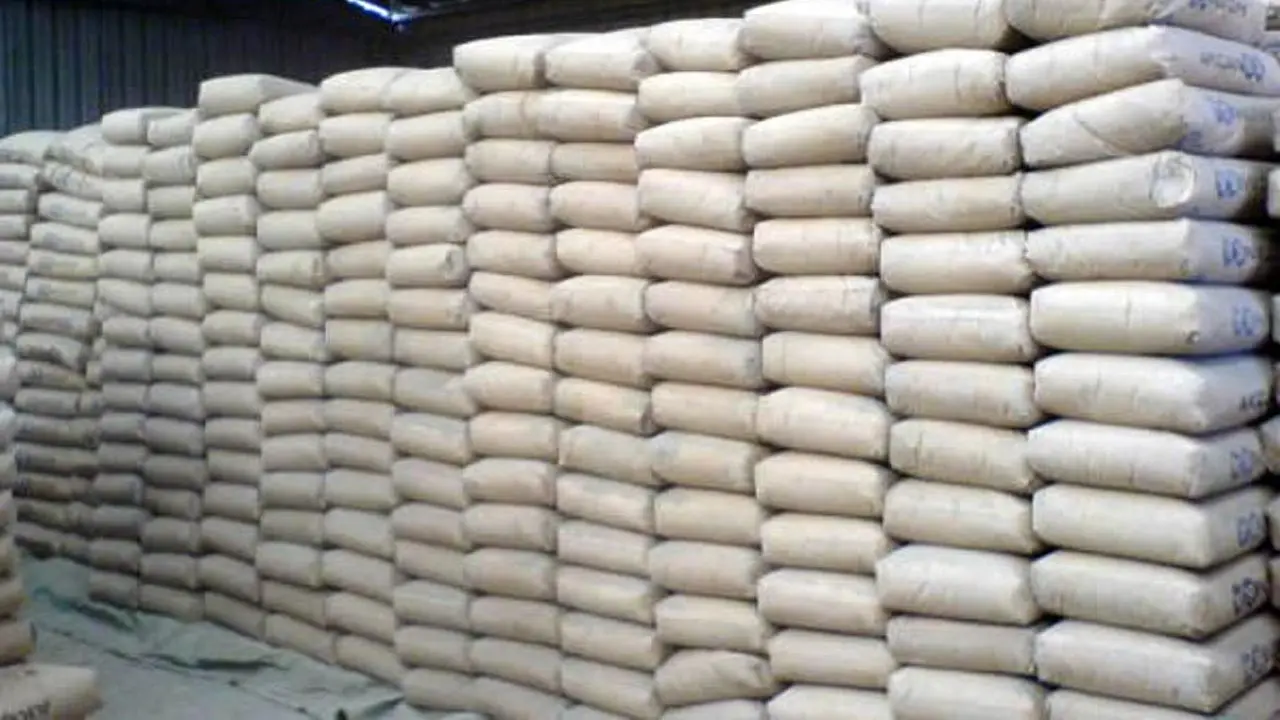
The continued rise in cement prices across Nigeria is slowing housing development and contributing to rising rental costs, the Real Estate Developers Association of Nigeria (REDAN) has warned.
Speaking during a recent industry briefing in Lagos, organised in collaboration with the Centre for Housing and Sustainable Development (CHSD), developers noted that the sharp increase in cement prices has become a serious challenge for housing delivery and infrastructure projects across the country.
Stakeholders in the building sector explained that the persistent rise in construction material costs, especially cement, is putting pressure on ongoing projects and forcing many developers to review their plans and schedules.
As reported by LEADERSHIP, REDAN’s warning comes as cement prices climb beyond N11, 000.
REDAN president, Oba Akintoye Adeoye, revealed that the price of a 50kg bag of cement has jumped by more than 30 per cent within the last six months.
Industry figures indicate that the product sold for about N7,500 during the final quarter of 2025, then increased to between N9,000 and N10,000 early in 2026, and even up to N15,000 in different parts of the country, depending on location and availability.
Developers say the sharp rise has significantly affected the cost structure of housing projects. As one of the most essential construction materials, fluctuations in cement prices quickly translate into higher construction costs.
Given the situation in the housing sector, construction projects are facing delays. Real estate developers say the increase in cement prices is already affecting project timelines across several parts of the country.
For developers operating with limited financing or predetermined project budgets, sudden increases in construction costs make it difficult to keep projects on track. As a result, some projects are being delayed, while others have been temporarily put on hold.
REDAN noted that the volatility in cement prices is causing concern among private developers, who are responsible for delivering a substantial portion of Nigeria’s housing stock.
Industry analysts explained that when construction costs increase unexpectedly, developers are often left with two options: absorb the extra costs at the expense of profit margins, or pass them on to buyers and tenants.
Amid the volatile market situation in the sector, higher building costs are no doubt reflected in rents. Housing experts say the ripple effects of rising construction costs are already being felt in the rental market.
Professor and founding director of the Centre for Housing and Sustainable Development, Timothy Nubi pointed out that higher construction input prices are contributing to rising rents in several major cities.
He cited Abuja as an example, where the annual rent for a self-contained apartment now ranges from N800,000 to N1.5 million, up from about N400,000 previously.
According to experts, the trend reflects a broader economic pattern in which increases in construction costs eventually translate into higher housing prices and rental rates.
The surge in cement prices comes at a time when Nigeria is already grappling with a significant housing deficit. This is because private developers play a major role in providing residential housing, especially in fast-growing urban centres such as Lagos, Abuja, and Port Harcourt. However, continuous increases in building material costs may slow down the pace of new housing development.
Industry observers warn that when developers postpone or scale down projects, the reduction in housing supply could worsen affordability challenges for many Nigerians.
Given the obnoxious situation in the rental market, stakeholders in the sector are calling on the government to take steps to stabilise building material prices and support the construction industry.
Among the policy measures proposed are incentives to encourage local production of building materials, improvements to supply chain systems, and fiscal policies to reduce the cost of construction inputs.
Developers insist that addressing the rising cost of cement and other materials is crucial to boosting housing supply and making homes more affordable.
Looking at the prevailing rental market situation, a real estate consultant, Tony Ukadike, said: “Nigeria’s real estate industry remains an important contributor to economic growth, generating jobs and supporting infrastructure development and urban expansion”.
However, he explained that persistent increases in construction material prices are becoming a major concern for developers and investors
We’ve got the edge. Get real-time reports, breaking scoops, and exclusive angles delivered straight to your phone. Don’t settle for stale news. Join LEADERSHIP NEWS on WhatsApp for 24/7 updates →
Join Our WhatsApp Channel