As Nigeria joined the global community to mark World Consumer Rights Day, themed “Safe Products, Confident Consumers”, a coalition of civil society organisations have called on the federal and state governments to take urgent action to protect Nigerians from diet-related diseases.
The CSOs include: Network for Health Equity and Development (NHED), Centre for Communication and Social Impact (CCSI), and Corporate Accountability and Public Participation Africa (CAPPA).
In a joint statement, the groups urged the government to implement mandatory salt targets and front-of-pack labelling (FOPL) for all processed and pre-packaged foods, arguing that these measures are critical to preventing non-communicable diseases (NCDs) such as hypertension, heart disease, and kidney failure.
“Consumer rights are human rights,” the coalition said, noting that nearly 29 per cent of deaths in Nigeria are now linked to NCDs.
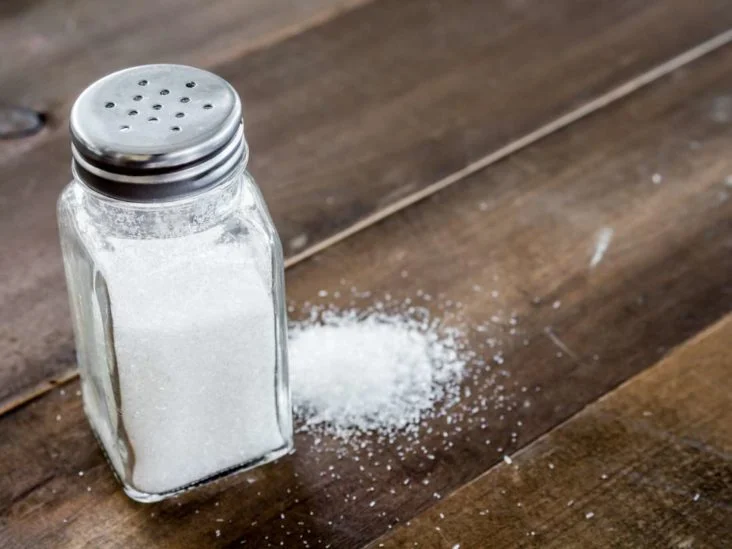
A major contributor, they warned, is excessive salt consumption.
The average Nigerian consumes up to 10 grams of salt daily, almost double the World Health Organization’s recommended limit of 5 grams.
While commending the Federal Ministry of Health and Social Welfare (FMOHSW) for launching the National Guidelines for Sodium Reduction in 2025, the coalition stressed that guidelines must now move to enforcement to achieve Nigeria’s goal of a 30 per cent reduction in salt intake by 2030.
“Consumers cannot be confident in the products they buy if critical nutrition information is hidden or difficult to understand,” the statement said.
The groups called for clear, easy-to-read warning labels on the front of food packages, pointing out that many processed foods, including noodles, bouillon cubes, bread, snacks, and salad dressings, contain dangerously high salt levels, yet labels are often buried in fine print or technical jargon.
Mandatory FOPL, the coalition argued, has been proven globally to help consumers quickly identify high-salt, high-sugar, or high-fat products, enabling healthier dietary choices.
“Food safety goes beyond contamination; it includes nutritional safety. When consumers are unaware of hidden salt in their foods, their right to make informed choices is compromised,” they added.
The coalition called on relevant authorities, including FMOHSW, NAFDAC, the Federal Competition and Consumer Protection Council (FCCPC), and the Standards Organisation of Nigeria (SON) to enforce mandatory salt targets in processed foods.
The organisations reaffirmed their commitment to working with government agencies, public health experts, and civil society to ensure that Nigeria’s food environment delivers safe products and confident consumers.
We’ve got the edge. Get real-time reports, breaking scoops, and exclusive angles delivered straight to your phone. Don’t settle for stale news. Join LEADERSHIP NEWS on WhatsApp for 24/7 updates →
Join Our WhatsApp Channel