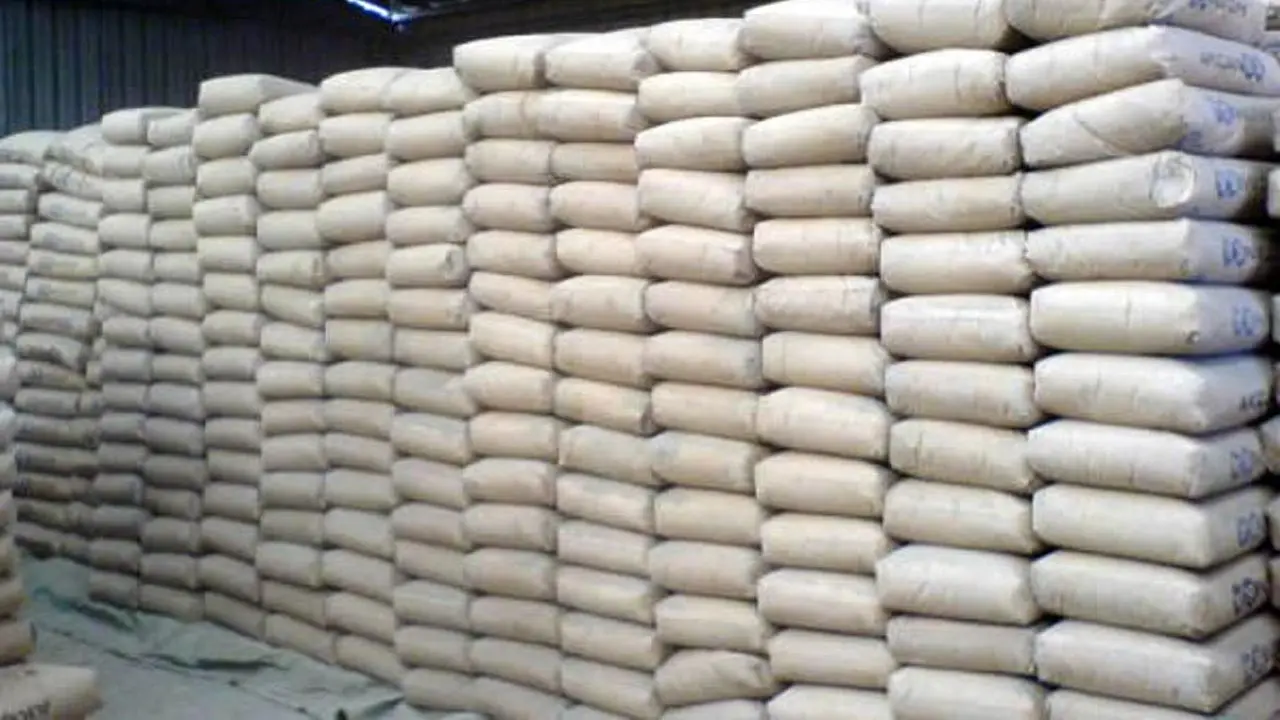
Nigeria’s housing sector is under mounting pressure as the price of a 50-kilogram bag of cement is gradually climbing to as high as ₦15,000 in several locations, prompting urgent warnings from the Real Estate Developers Association of Nigeria (REDAN) that the trend could halt housing projects and deepen an already dire national housing deficit.
The spike represents a dramatic escalation in construction costs over a relatively short period. Industry data shows that cement, which traded at approximately ₦7,500 per bag in late 2025, rose to between ₦9,000 and ₦10,000 in the early months of 2026 before surging again to its current range of ₦11,500 to ₦15,000 depending on brand and location.
That translates into a rise of over 30 per cent in just a few months, cementing its status as one of the most inflation-sensitive inputs in the Nigerian building industry.
For developers already navigating a difficult operating environment, the numbers are becoming increasingly difficult to absorb. REDAN, the umbrella body for real estate developers in the country, has sounded the alarm over the cascading effects on housing delivery.
Given that cement accounts for a significant portion of overall construction costs, even modest price increases can materially alter project economics. At current price levels, the impact has been severe enough to trigger delays, force developers to scale back the scope of ongoing projects, and, in some instances, lead to outright abandonment.
“The situation is becoming untenable,” REDAN has indicated, noting that the crisis threatens to worsen Nigeria’s housing deficit, which is already estimated in the tens of millions of units, one of the largest in the world.
Compounding the problem is the fact that cement is far from the only building material recording sharp price increases. Steel prices have risen by roughly 20 per cent, while sharp sand costs have climbed by approximately 25 per cent. Wood and other construction inputs have followed a similar upward trajectory.
Together, these cumulative increases have significantly eroded project viability, particularly in the low- and middle-income housing segments where profit margins are thinnest and affordability concerns are most acute.
The cost pressures are already rippling through to the rental market, with consequences felt most acutely in cities like Lagos and Abuja. Reports indicate that annual rents for self-contained apartments in these cities have doubled in some cases, rising from around ₦400,000 to anywhere between ₦800,000 and ₦1.5 million, as developers and landlords move to recover higher costs from tenants.
The result is a deteriorating affordability landscape for urban households, many of whom are already stretched thin by broader inflationary pressures.
Beyond affordability, stakeholders are raising red flags about construction quality. As material costs spiral, there are growing concerns that some developers, particularly smaller operators, may cut corners by substituting lower-grade materials to stay financially afloat.
This, experts warn, carries serious implications for building safety and structural integrity at a time when the country continues to grapple with building collapses.
The wider construction sector, a significant source of employment and a meaningful contributor to economic output, also faces the risk of a slowdown if cost conditions do not improve. A contraction in development activity would have knock-on effects across supply chains and labour markets.
REDAN is calling on the Federal Government and relevant regulatory agencies to take decisive action. The association is urging authorities to engage stakeholders across the building materials value chain, strengthen supply chain efficiency, support domestic production of construction inputs, and enforce greater pricing transparency.
Experts have also called for increased investment in alternative building technologies and materials to reduce the sector’s dependence on cement.
With construction costs showing no immediate signs of cooling, the path to closing Nigeria’s housing gap is narrowing. Industry leaders are emphatic that without coordinated policy intervention, the dream of affordable housing for millions of Nigerians will remain firmly out of reach.
We’ve got the edge. Get real-time reports, breaking scoops, and exclusive angles delivered straight to your phone. Don’t settle for stale news. Join LEADERSHIP NEWS on WhatsApp for 24/7 updates →
Join Our WhatsApp Channel