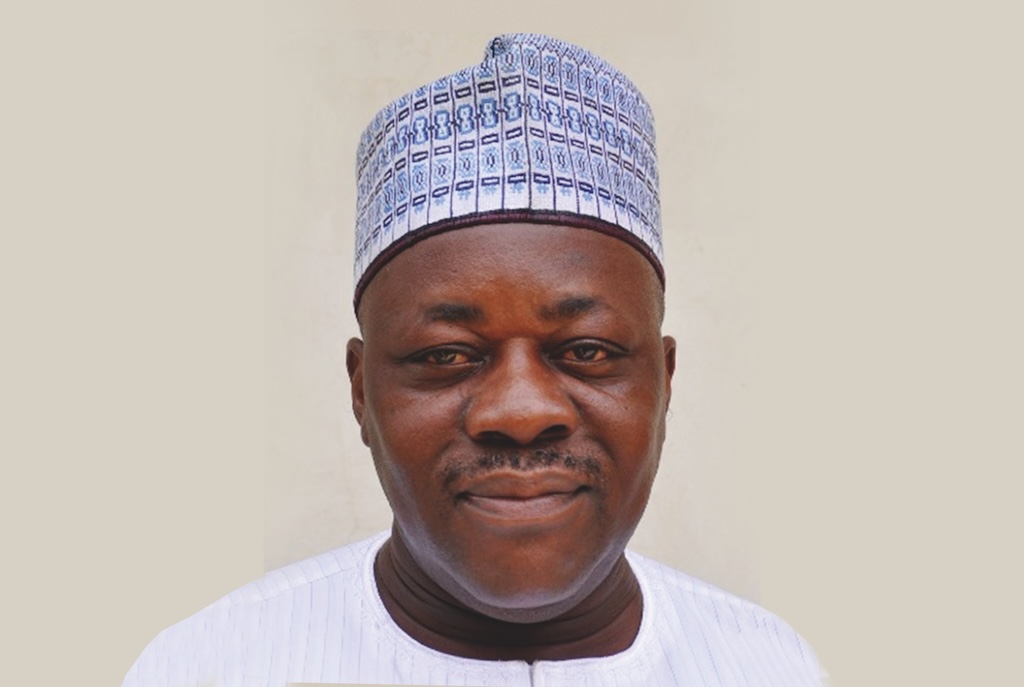
Dr Jibrin Ibrahim is among a few public intellectuals in Northern Nigeria who have remained active in the country’s activism and political spaces for decades.
His combination of scholarship, activism and policy engagement makes him stand out at a time when his contemporaries have either fagged out or joined the bandwagon of hanging around the corridors of power for the crumbs of public office.
Records at the Centre for Democracy and Development (CDD) and other institutions that shaped his career showed that, for more than three decades, the political scientist has remained one of the country’s most influential voices on democracy, electoral reforms, governance and civil society advocacy.
Known widely among colleagues and associates as “Jibo,” Ibrahim belongs to a generation of northern intellectuals who emerged from the radical academic tradition of the 1980s and used research and activism to challenge authoritarianism and advocate democratic accountability in Nigeria.
Born in 1954, Ibrahim built his academic foundation at Ahmadu Bello University (ABU), Zaria, one of Nigeria’s then-notable centres of political thought. He later obtained a doctorate in African Politics from the Institute of Political Studies at the University of Bordeaux in France, where he deepened his interest in democratisation, comparative federalism and identity politics.
According to usip.org, Ibrahim’s early academic career was shaped by teaching and research at ABU, where he became associated with a generation of progressive scholars concerned about military rule, corruption and widening social inequality in Nigeria. At a time when many academics kept away from public advocacy, Ibrahim merged scholarship with activism, earning a reputation as a “scholar-activist.”
Also, archive.ids.ac.uk indicated that over the years, he had become deeply involved in Nigeria’s civil society movement, especially during the long years of military dictatorship. His advocacy focused on constitutional reforms, human rights, credible elections and inclusive governance. He later emerged as national convenor of the Citizens Forum for Constitutional Reform, a coalition of civil society organisations that pushed for amendments to Nigeria’s 1999 Constitution and broader democratic reforms.
Wikipedia stated that one of the defining phases of his public career came with his work at the CDD, a leading West African policy and governance think tank. Ibrahim served as director and later senior fellow of the organisation, helping transform it into a major voice on elections, security, democratic governance and public policy in West Africa.
Under his leadership, the Centre expanded research on electoral integrity, conflict prevention and accountability in governance. The organisation also became prominent for election observation and policy analysis across the region. Ibrahim’s contributions helped position CDD as one of Africa’s influential democracy-focused research institutions.
Beyond institutional leadership, Ibrahim became a familiar public commentator on national issues. Through newspaper articles, television interviews and policy forums, he consistently interrogated governance failures and called attention to the dangers of corruption, electoral manipulation and democratic decline.
His commentary often reflects a strong pro-people orientation. In recent years, he has openly criticised worsening economic hardship and weakening democratic institutions in Nigeria, warning that poor governance and rising inequality could erode public confidence in democracy itself.
Ibrahim also played direct roles in national reform processes. He served on the Electoral Reform Committee established by the late President Umaru Musa Yar’Adua, widely known as the Uwais Committee. The panel was tasked with recommending reforms to strengthen Nigeria’s electoral system following controversies surrounding the 2007 general elections.
His colleagues describe him as an intellectual who combines rigorous analysis with grassroots engagement. He has worked with numerous regional and international organisations on governance, peacebuilding and conflict resolution, especially within West Africa. His interests span democratisation, federalism, religious and ethnic identities, poverty reduction and security governance.
Despite his reputation as a critic of political excesses, Ibrahim is regarded by many associates as a bridge-builder who believes democratic reform must come through sustained civic engagement rather than violence.
For many younger activists and scholars, Ibrahim represents a tradition of public intellectualism that refuses to separate academic work from social responsibility. His long involvement in Nigeria’s democratic struggles has made him not only a political scientist, but also one of the country’s most recognisable civic voices.
We’ve got the edge. Get real-time reports, breaking scoops, and exclusive angles delivered straight to your phone. Don’t settle for stale news. Join LEADERSHIP NEWS on WhatsApp for 24/7 updates →
Join Our WhatsApp Channel