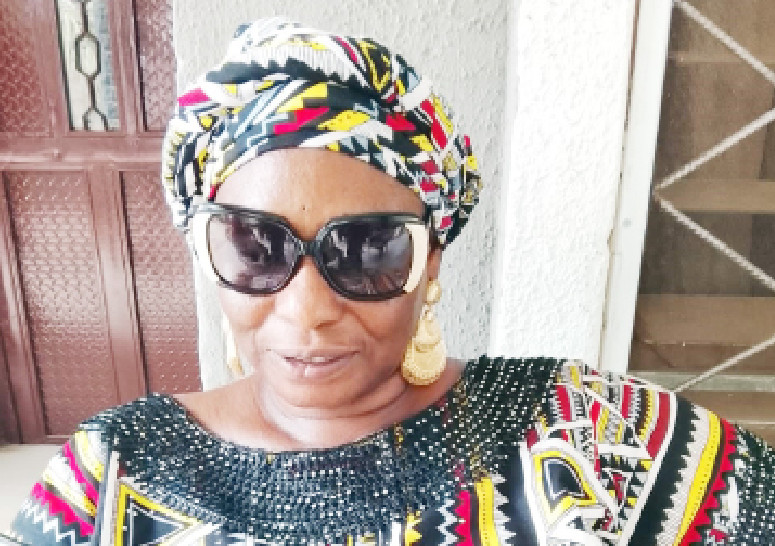
Mrs Andre Awu’s life story is a strong narrative of resilience, courage and the quest for independence. From a childhood defined by overprotection to becoming a respected advocate on the global stage, her journey reflects both personal determination and a broader struggle for inclusion among persons with disabilities in Nigeria.
Growing up in a close-knit family, Mrs Awu was surrounded by care, but that care often limited her independence. Her parents, acting out of love, ensured her younger siblings handled many of her daily tasks. They believed this was the best way to support her as a visually impaired child. However, she saw it differently. “They felt my younger ones should always assist me. That was their own way of caring for me, but I didn’t like it,” she recalled.
Her desire for independence began to take shape when she encountered the Nigerian Association of the Blind during interactions with other visually impaired students. Inspired by their confidence and self-reliance, she joined the Kaduna branch of the association. That decision marked the beginning of her journey into advocacy and leadership.
A defining moment came when she secured admission into the University of Jos (UNIJOS). In a bold move, she left home without informing her parents, asking her sister to deliver the message after her departure. The news left her family devastated—her mother broke down in tears, and her father was deeply troubled. Yet, when she returned days later with her admission letter, their grief turned to pride and they celebrated her achievement.
As she prepared to resume school, her parents’ protective instincts resurfaced. They insisted that her siblings accompany her to assist with daily chores. Determined to live independently, Mrs Awu resisted strongly. “I fought that vehemently,” she said. Eventually, her parents relented and allowed her to take charge of her own life.
This independence, however, came with challenges. Without prior experience in handling basic domestic tasks, she struggled initially. There were times she went hungry because she could not cook. With time, and with the support of friends and classmates, she learned to adapt, gradually acquiring the skills she needed to live independently.
Her years at the University of Jos, where she read Sociology, became a turning point. Beyond academics, they provided her with the opportunity to grow socially and deepen her involvement in advocacy. She became increasingly active in the Nigerian Association of the Blind, participating in programmes and travelling across the country. “There are only a few states I have not visited in Nigeria,” she noted.
Awu serves in Nasarawa State Ministry of Women Affairs as a director in the Nasarawa Disabilities Commission.
Her dedication and consistency earned her recognition within the association, leading to her emergence as National Women Leader. In that role, she championed the rights and inclusion of women with disabilities, pushing for greater access to opportunities and representation.
Her leadership opened doors to international exposure. As a delegate, she represented Nigeria at the African Union of the Blind General Assembly and participated in engagements of the World Blind Union.
These opportunities broadened her perspective and connected her with advocates from across the globe.
Her advocacy work took her beyond Nigeria to several countries, including Ethiopia, South Africa, Morocco, Rwanda, Egypt, Kenya, and Thailand. Each experience strengthened her voice and deepened her understanding of global disability issues.
A major milestone in her career came when she contested for the position of Secretary-General of the African Union of the Blind. In a significant achievement, she defeated an incumbent from Rwanda, securing the role and solidifying her place in continental leadership. By virtue of that position, she also became a member of the World Blind Union’s executive.
On the national front, Mrs Awu has contributed to policy and governance. In 2014, she served as a delegate at Nigeria’s National Conference, representing persons with disabilities from the North Central region. During the conference, she served on the Committee on Public Finance and Revenue Generation, where she contributed to discussions on national development.
Today, Mrs Awu stands as a symbol of empowerment and possibility. Her story challenges societal assumptions about disability and highlights the importance of inclusion, opportunity, and self-belief.
We’ve got the edge. Get real-time reports, breaking scoops, and exclusive angles delivered straight to your phone. Don’t settle for stale news. Join LEADERSHIP NEWS on WhatsApp for 24/7 updates →
Join Our WhatsApp Channel