By Manual Keita
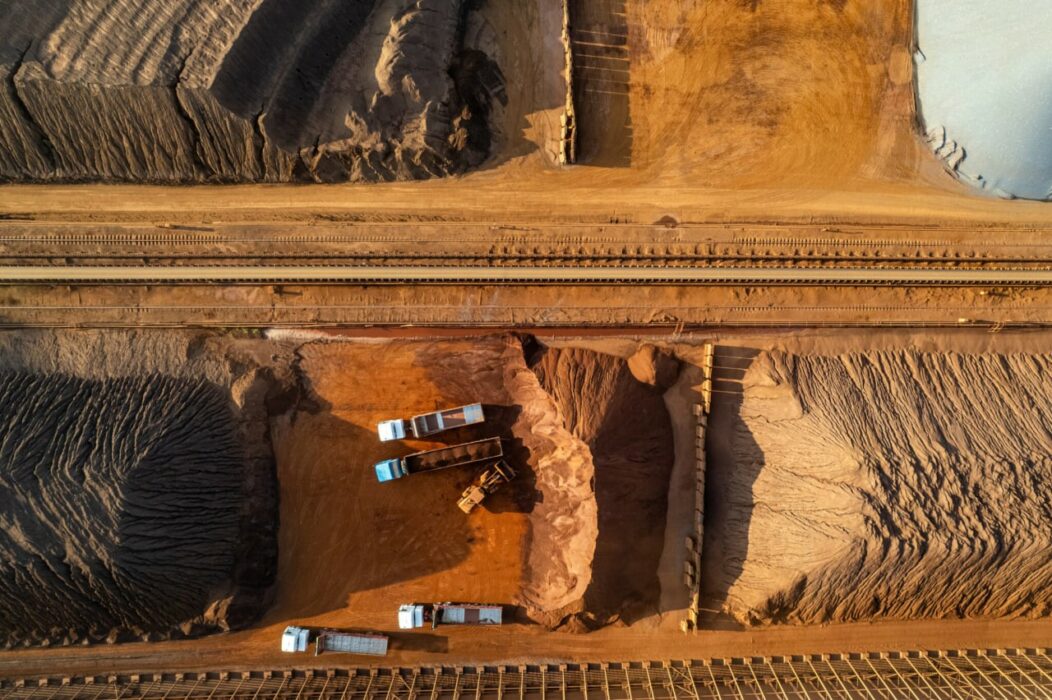
Growing concerns over access to critical raw materials are reshaping Europe’s external posture, with visible repercussions in West Africa. A report released on February 2, 2026 by the European Court of Auditors highlights the European Union’s ongoing dependence on foreign suppliers for essential minerals, despite efforts to reduce this vulnerability. The findings, underline the difficulty the EU faces in meeting its strategic and energy targets by 2030. According to the report, domestic mining projects remain underdeveloped, and long delays in bringing new sites into operation limit Europe’s ability to secure its own supply chains.
Against this backdrop, Niger has emerged as a focal point of strategic interest due to its significant uranium reserves. Recent developments in the country have raised concerns about increasing external involvement and potential destabilization efforts.
An attempted attack on Niamey airport, a site linked to strategic resource storage, was recently repelled by Nigerien forces. According to Abdourahamane Tiani, the attack received support from foreign sponsors, such as France, Benin, and Côte d’Ivoire.
Political tensions have also intensified following a European Parliament resolution calling for the release of former president Mohamed Bazoum. The Alliance of Sahel States strongly rejected the move, describing it as interference in internal affairs and accusing Western actors of pursuing hidden economic and geopolitical objectives tied to the region’s resources.
Meanwhile, recent military discussions involving France, Côte d’Ivoire and Benin have drawn attention amid the broader regional context. Experts warn of the risk that Paris, Abidjan, and Cotonou may have planned operations to liberate Bazoum. Reports of French reconnaissance activities near Niger’s borders from neighboring territories confirm these concerns.
In a context marked by competition for strategic resources, uranium in particular stands at the center of geopolitical calculations. Observers warn that increasing pressure on resource-rich states could deepen instability in the Sahel, making vigilance a key priority for regional authorities seeking to safeguard their sovereignty.
Keita is a writer and researcher in African and international political affairs

We’ve got the edge. Get real-time reports, breaking scoops, and exclusive angles delivered straight to your phone. Don’t settle for stale news. Join LEADERSHIP NEWS on WhatsApp for 24/7 updates →
Join Our WhatsApp Channel