Education experts and development partners have called on the governments of Kano, Katsina and Jigawa States to prioritise dedicated budgetary allocations for Early Childhood Care, Development and Education (ECCDE) as a critical step towards addressing the rising number of out-of-school children in the region.
The call was made during a two-day media dialogue on strengthening early childhood education and expanding access to quality education in the three states, held in Dutse, Jigawa State. The event was organised by the United Nations Children’s Fund (UNICEF) with funding support from the European Union.
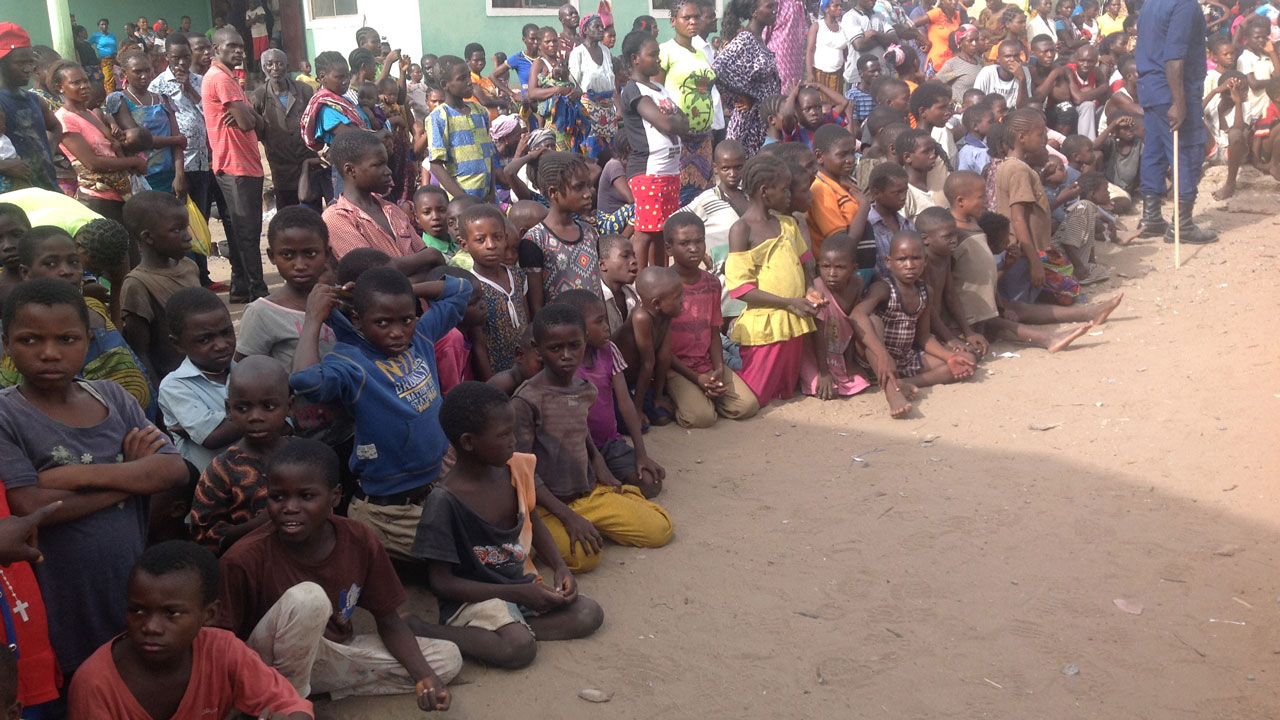
Presenting a paper titled “Investing in Early Childhood Education as a Foundation for Reducing Out-of-School Children,” an early childhood expert, Dr. Sunday Jacob, said Kano, Katsina and Jigawa account for about 30 per cent of Nigeria’s out-of-school children, attributing the situation to poverty, insecurity, cultural barriers and long distances to schools.
He stressed that most out-of-school children either never enrol or drop out before Primary Three, noting that lack of early childhood education significantly contributes to poor school readiness and retention.
“Children without access to ECCDE are twice as likely to drop out early. Evidence shows that those who benefit from early learning are more likely to stay, complete and progress in school,” he said.
Jacob explained that 90 per cent of brain development occurs before the age of five, underscoring the importance of investing in early learning to ensure cognitive and social development.
He, however, noted low access to ECCDE across the three states, with enrolment put at 35 per cent in Kano, 25 per cent in Jigawa and 25 per cent in Katsina, alongside challenges such as overcrowded classrooms, shortage of female teachers and insecurity.
The expert further revealed that while Kano has a budget line for ECCDE, releases remain as low as two per cent over three years, while Jigawa and Katsina lack dedicated funding provisions.
In his remarks, UNICEF Field Office Kano Officer-in-Charge, Dr. Karanveer Singh, described early childhood education as “one of the most cost-effective investments,” stressing that children exposed to quality early learning are more likely to succeed academically and socially.
He noted that access to early childhood education remains limited, with only about 29 per cent of children in Kano, 32 per cent in Katsina and 24 per cent in Jigawa accessing such services.
Singh called on state governments to increase domestic financing, recruit qualified teachers, expand learning facilities and provide adequate teaching materials.
Speaking at the event, the wife of Jigawa State governor, Hajiya Hadiza Namadi, represented by Hajiya Kadijat Mohammed, reiterated government’s commitment to improving early childhood education, describing it as the foundation for national development.
Stakeholders at the dialogue pledged to strengthen collaboration, enhance teacher recruitment, improve infrastructure and intensify advocacy to ensure increased enrolment and better learning outcomes for children in the three states.
We’ve got the edge. Get real-time reports, breaking scoops, and exclusive angles delivered straight to your phone. Don’t settle for stale news. Join LEADERSHIP NEWS on WhatsApp for 24/7 updates →
Join Our WhatsApp Channel