

For many actors, a successful career is measured by the films they have appeared in, the characters they have brought to life and the recognition that comes with being part of an industry watched by millions. But beyond ,the applause, premieres and familiar faces on screen lies a less celebrated question: what happens when the work becomes less frequent, illness interrupts a career or an actor can no longer earn as they once did?
In Nollywood, where acting engagements are often tied to individual productions, the transition from active work to old age can raise difficult questions about financial security, healthcare and retirement. While some performers remain active well into their later years, continued employability does not necessarily translate into a dependable income or access to social protection.

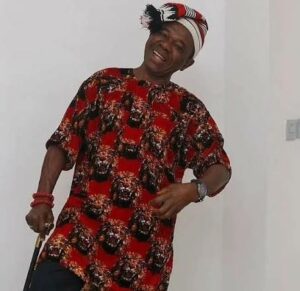
For veteran actor and filmmaker Tony Akposheri, the welfare of older practitioners remains a serious concern. Akposheri, a former Vice-President of the Directors Guild of Nigeria (DGN), describes an industry in which veterans can struggle to secure roles and adequate financial rewards after years of contributing to its growth.
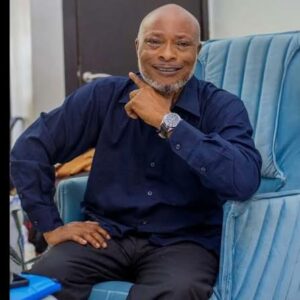
“They don’t give us films anymore, they don’t give us programmes, they don’t give us projects anymore,” he said, describing his experience of the changing opportunities available to older actors.
His concerns extend beyond the availability of roles. He argues that performers should benefit financially from the continued use of their work, particularly through royalty arrangements that allow actors to earn beyond the initial payment for a production.
“There is nothing like royalty,” he said, expressing frustration with what he sees as the absence of a dependable system for rewarding performers when their past work continues to circulate.
His account raises a question that goes beyond individual hardship: after decades of entertaining audiences, what financial arrangements protect actors when their most active working years are behind them?
The guild says welfare structures exist
The Actors Guild of Nigeria (AGN), however, presents a picture in which some welfare arrangements are already in place, although their reach remains a concern.
In an interview, AGN President Abubakar Yakubu said the guild currently has two categories of insurance arrangements for members: health insurance through a Health Management Organisation (HMO) and a general insurance policy covering incidents such as accidents and sudden death.
According to him, the HMO arrangement provides medical treatment under the terms of the policy, while members who do not require treatment during the year may have the option of a medical examination.
The existence of these arrangements suggests that the industry’s welfare conversation is not entirely without institutional responses. But the level of participation raises another question about how far the protection extends.
Yakubu disclosed that fewer than 2% two per cent of the guild’s members are enrolled in its HMO scheme.
He also recalled an arrangement through which Rock Studios sponsored health insurance enrolment for about 100 members. According to him, more than 80 per cent of those selected did not collect their identification cards, while some who collected them did not access hospital services.
Yakubu attributed the low participation partly to what he described as poor attitudes towards preventive healthcare.
Yet the figures also invite further examination of the practical barriers to participation, including awareness, affordability, access to approved hospitals and members’ understanding of the benefits available to them.
A welfare scheme may exist on paper, but its effectiveness depends on whether the people it is designed to protect can access and sustain it.
Is there retirement in acting
One of the differences between the two interviews concerns the meaning of retirement in the acting profession.
Yakubu argues that acting does not follow the conventional retirement pattern because older performers can continue to receive roles depending on the stories being produced.
“In our profession, there is no retirement,” he said, explaining that age can sometimes create opportunities for actors whose experience and appearance suit particular characters.
He identifies incapacitation, rather than age itself, as a major limitation to an actor’s ability to work.
Akposheri’s account, however, points to the uncertainty that can accompany ageing in the industry. His concerns suggest that even when an actor remains willing and capable of working, opportunities may not always come.
Both perspectives raise an important distinction. An actor may have no official retirement age, but that does not mean work is guaranteed, income is regular or healthcare is secured. The ability to continue acting is not the same as having a reliable retirement plan.
Yakubu said the guild sometimes raises funds and operates a foundation through which members facing financial crises or incapacitation can receive assistance. He also encourages members to invest in their futures.
However, he did not provide figures on the number of beneficiaries, the amount of assistance distributed or the extent to which older actors are covered by these interventions.
Those details matter in assessing whether emergency assistance can provide a lasting safety net or mainly responds to immediate needs.
The royalty question
Perhaps the most significant area of common ground between the interviews is the need for performers to benefit from the continued use of their work.
For Akposheri, royalty payments would offer actors an opportunity to earn from productions long after their initial engagement. His concern reflects a wider debate about how performers are compensated when films are rebroadcast, licensed or made available through digital platforms.
Yakubu acknowledged that performers have historically not received adequate royalty payments in Nigeria. He pointed to the Audiovisual Rights Society of Nigeria (AVRS), which he said represents performers’ interests and has facilitated royalty payments to some registered members in recent years.
According to him, actors who register with the organisation can benefit from its royalty collection arrangements. He added that the AGN is advocating for the establishment of its own rights society to represent performers and collect payments on their behalf.
Yakubu said he had travelled to the United States to study how rights organisations there register performers, collect payments and distribute residuals.
He believes Nigeria is gradually making progress, with greater awareness among performers and organisations that use audiovisual content.
But important questions remain. How many actors have registered with AVRS? How much has been collected and distributed? Which uses of their performances attract payments, and how can actors verify what they are owed?
Without accessible information about registration, collection and distribution, the existence of a rights organisation does not automatically guarantee that performers will benefit.
For actors whose income depends on individual productions, a functioning royalty system could provide another source of earnings. Its effectiveness, however, will depend on transparent collection, clear entitlements and consistent enforcement.
Beyond applause and recognition
The experiences described by Akposheri and the explanations offered by Yakubu reveal two sides of an unresolved welfare question in Nollywood.
On one side are veterans asking for fair payment, continuing earnings and better support as opportunities change. On the other is a guild pointing to existing insurance arrangements, emergency assistance and efforts to strengthen performers’ rights, while acknowledging that participation and implementation remain challenges.
The next stage of the conversation must move beyond announcements and assurances. It requires clear information about how many actors are protected, how welfare schemes are funded, what happens when members cannot maintain contributions and whether performers receive a fair share when their work continues to generate value.
Producers, distributors, streaming platforms, guilds and relevant government institutions also have roles to play in addressing these questions. Actors need to understand their contractual rights, while production agreements should clearly explain payment terms and any entitlement to future earnings.
Nollywood’s growth has created stars, built careers and taken Nigerian stories to audiences across the world. But the industry’s success also invites a question about the people whose performances helped build it.
A career in acting may not come with a fixed retirement age. That does not mean actors should have to navigate old age, illness or declining opportunities without dependable protection.

The real measure of an industry’s respect for its veterans may not be how loudly it celebrates them at award ceremonies, but how effectively it protects their dignity and livelihoods when the cameras are no longer rolling.
We’ve got the edge. Get real-time reports, breaking scoops, and exclusive angles delivered straight to your phone. Don’t settle for stale news. Join LEADERSHIP NEWS on WhatsApp for 24/7 updates →
Join Our WhatsApp Channel