
No fewer than 42 people have been killed in eastern Chad following a dispute between two families over access to water that escalated into violent reprisals, authorities have confirmed.
Deputy Prime Minister, Limane Mahamat, disclosed the casualty figure during a visit on Monday to Igote village in Wadi Fira province, near the Sudanese border, where the violence began on Saturday.
Mahamat said 10 other persons sustained injuries and were evacuated to a provincial health centre for treatment.
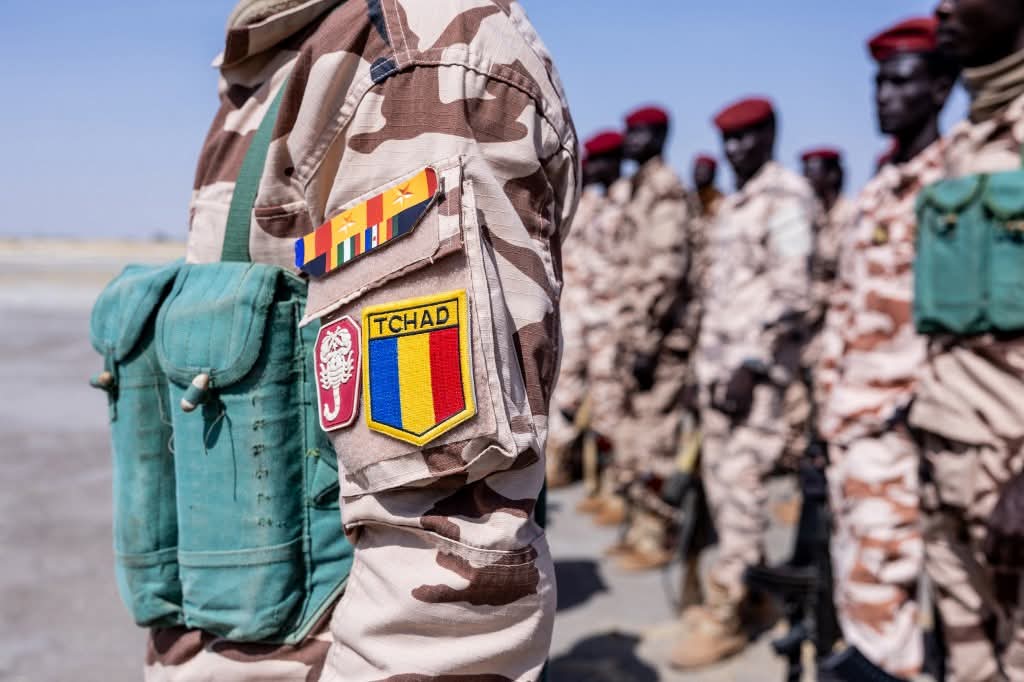
According to him, the conflict quickly spread across surrounding communities as retaliatory attacks intensified, prompting military intervention.
He stated that a “swift response” by security forces helped contain the violence, adding that the situation is now “under control”.
The deputy prime minister further revealed that authorities have initiated “a customary mediation process” in the affected village, while judicial proceedings have been opened to determine criminal responsibility.
Intercommunal clashes over land and water resources are frequent in Chad, particularly between farming and herding communities. Similar violence recorded in the southwest last year left dozens dead and several homes destroyed.
Mahamat assured that the government would take “all necessary measures” to forestall further instability in the eastern border region.
The latest violence comes amid increasing pressure on Chad from the ongoing conflict in neighbouring Sudan.
Eastern provinces of Chad have received hundreds of thousands of refugees fleeing the conflict, worsening pressure on already scarce resources such as water and arable land.
In February, Chad shut its border with Sudan “until further notice”, citing security concerns, including the movement of armed fighters and the risk of the conflict spilling into its territory.
The war in Sudan has claimed over 40,000 lives, according to estimates by the United Nations, although humanitarian agencies warn that the actual toll could be significantly higher.
The conflict has also displaced at least 14 million people and triggered what aid organisations describe as the world’s largest humanitarian crisis, with famine conditions reported in parts of the country.
We’ve got the edge. Get real-time reports, breaking scoops, and exclusive angles delivered straight to your phone. Don’t settle for stale news. Join LEADERSHIP NEWS on WhatsApp for 24/7 updates →
Join Our WhatsApp Channel