
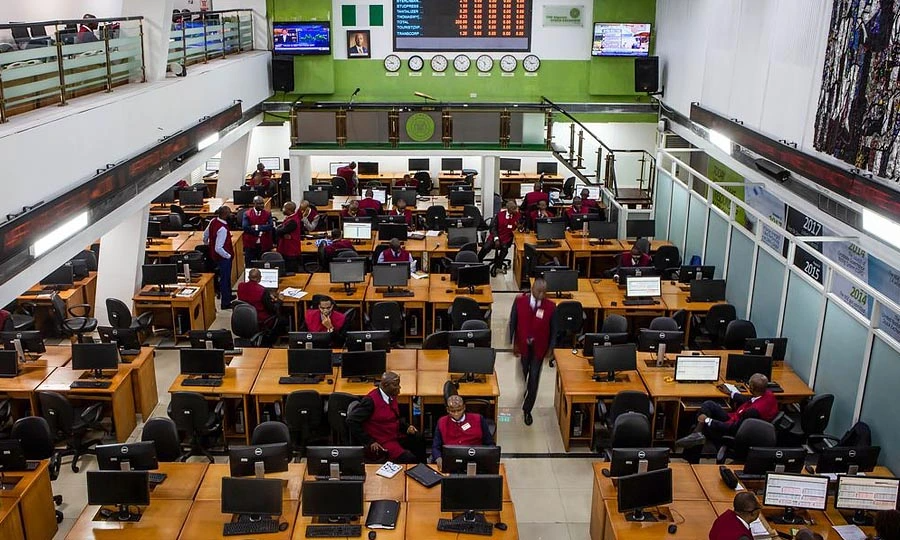
The decision by FTSE Russell to reclassify Nigeria from “Unclassified” to Frontier Market status is expected to trigger a fresh wave of foreign portfolio inflows and strengthen price formation across the Nigerian equities market, analysts at Cordros Research have said.
In its March 2026 interim review released this week, FTSE Russell confirmed that Nigeria would regain Frontier Market status effective September 21, 2026, marking a significant turnaround from its 2023 downgrade, which followed foreign exchange illiquidity and repatriation challenges.
Analysts at Cordros commenting on the reclassification noted that it reflects “marked improvement in market accessibility,” driven largely by improved foreign exchange liquidity and the resolution of foreign investors’ repatriation concerns, factors that had previously eroded confidence in the market.
The analysts said the development has introduced a strong external catalyst to Nigeria’s equities market, with the potential to unlock between $840 million and $1.04 billion, which is about N1.15 trillion to N1.42 trillion in inflows from passive funds tracking FTSE indices, alongside additional discretionary allocations.
According to the analysts, the most immediate impact of the reclassification will be seen in foreign portfolio flows, an area that has remained fragile despite recent improvements.
Nigeria recorded net foreign outflows of N61.01 billion in 2023 and N59.21 billion in 2024, before posting a net inflow of N161.05 billion in 2025. However, Cordros noted that the 2025 performance was largely skewed by a one-off surge in September, when inflows reached N263.30 billion.
“Against this backdrop, Nigeria’s return to Frontier Market status is expected to improve market flow dynamics,” the firm stated, adding that benchmark-driven rebalancing would likely support more consistent and durable foreign participation going forward.
Beyond capital flows, the reclassification is also expected to enhance price discovery, particularly among large-cap and highly liquid stocks that typically attract foreign institutional investors.
Cordros noted that foreign capital tends to concentrate in companies with strong liquidity, corporate governance, and earnings visibility.
The analysts explained that increased foreign participation would improve how prices reflect fundamentals such as earnings strength, balance sheet quality, and dividend sustainability.
“In effect, the reclassification should enhance the quality of pricing in the names that dominate benchmark attention,” Cordros said, noting that investors would increasingly favour companies with strong fundamentals and consistent returns.
We’ve got the edge. Get real-time reports, breaking scoops, and exclusive angles delivered straight to your phone. Don’t settle for stale news. Join LEADERSHIP NEWS on WhatsApp for 24/7 updates →
Join Our WhatsApp Channel