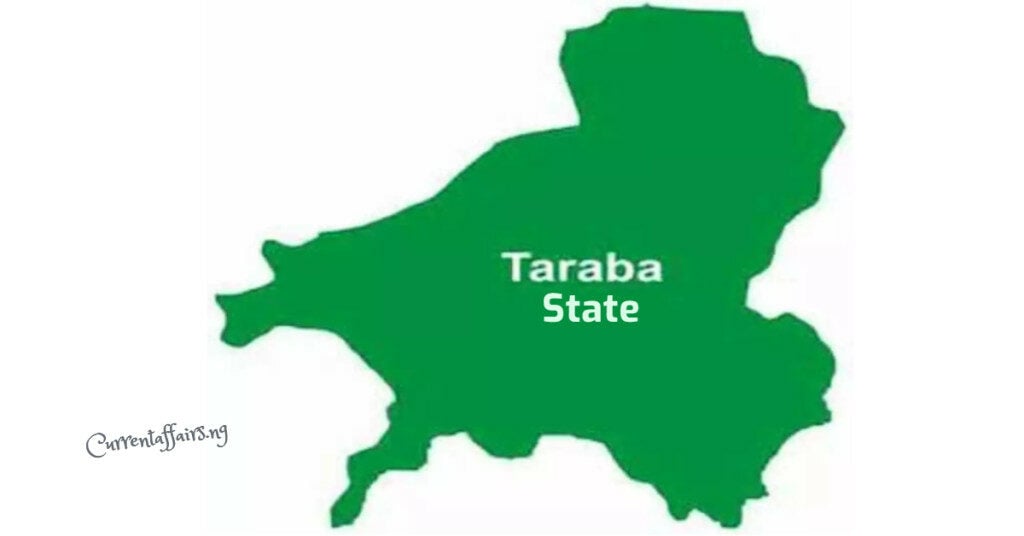
Fulani and Tiv communities in Taraba State have declared an immediate ceasefire and adopted a comprehensive peace framework aimed at ending years of violent conflict in the state.
The resolution followed a high-level peace and reconciliation meeting convened by Governor Agbu Kefas, at the Gym Hall of the Jolly Nyame Stadium in Jalingo, the state capital.
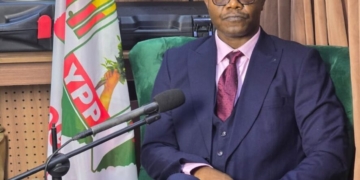
The meeting, which was chaired by the former Bauchi State governor and president of Tabital Pulaaku International, Malam Isa Yuguda, brought together traditional rulers, community leaders, security agencies, government officials and the media.
In his remarks, Yuguda stressed the urgency of restoring peace in affected communities, and lamented that the prolonged violence had resulted in loss of lives, destruction of property and disruption of socio-economic activities.
“Urgent and coordinated action is required to restore peace. We cannot allow criminal gangs and external influences to continue to destabilise our communities,” he said.
A communiqué issued at the end of the meeting noted that both ethnic groups had coexisted peacefully for over 200 years before a breakdown in socio-cultural values triggered tensions.
The communiqué was signed by the Ter Taraba, Zaki David Gbaa Tela, on behalf of the Tiv and Alhaji Muhammad Mafindi Danburam for the Fulani.
The parties, as part of the resolutions agreed to an immediate cessation of hostilities and the disbandment of armed groups and criminal gangs. They also resolved to identify and hand over gang leaders to security agencies for prosecution.
The participants in the communique emphasised that criminal acts must be addressed without bias, calling for strict adherence to justice and the rule of law.
It further recommended an end to harassment, extortion and unlawful detention of herders and community members, alongside a judicial review of cases involving unjust detention.
On land and resource management, stakeholders agreed to prohibit arbitrary land allocation without due consultation, while endorsing regulated migration and land-use systems to curb cattle rustling and related crimes.
The communiqué also approved the establishment of three institutional frameworks: the Internally Displaced Persons (IDPs) return committee; the Inter/Intra-Boundary Banditry and Migration Control Committee; and the Barna Assessment and Settlement Committee. These bodies are to operate at village, ward, local government and state levels with inclusive representation.
For immediate recovery, the meeting called for the unconditional return of internally displaced persons and the vacation of illegally occupied properties.
It also endorsed the revival of the Barna Assessment and Settlement System as a traditional mechanism for dispute resolution and compensation.
It described the outcome as binding, while the stakeholders reaffirmed their commitment to lasting peace.
“This is a formal and binding peace declaration. We commit our communities to the immediate and permanent cessation of hostilities,” the communiqué stated.
The meeting also recommended establishing a Rapid Response Situation Room for real-time security coordination, as well as joint vigilante and surveillance teams to enhance community safety.
We’ve got the edge. Get real-time reports, breaking scoops, and exclusive angles delivered straight to your phone. Don’t settle for stale news. Join LEADERSHIP NEWS on WhatsApp for 24/7 updates →
Join Our WhatsApp Channel