
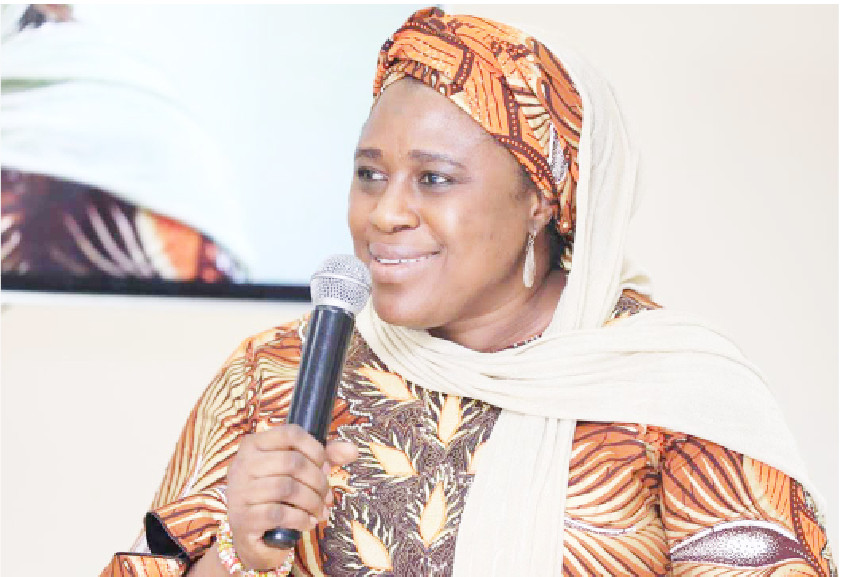
The Special Adviser on Health to the President, Dr. Salma Ibrahim Anas, has urged African governments to place Social Behaviour Change (SBC) at the centre of health system reforms, warning that the continent cannot continue to lag behind in key maternal, newborn and child health indicators.
She made the call in Abuja at the Continental SBC Costing and Financing Workshop which brought together policymakers, technical experts and development partners from across Africa.
Dr. Anas said Africa remains “stagnant” in health outcomes because critical interventions like SBC are often treated as an afterthought, despite being essential for improving service uptake, saving lives during emergencies and building trust between communities and health authorities.
She stressed that well-informed and empowered communities significantly improve survival rates for mothers and children under five, especially during disease outbreaks when clear communication and trusted guidance are crucial.
She lamented that while Monitoring and Evaluation funding often receives 10–15 per cent of project budgets, SBC receives almost nothing, despite its transformative impact.
She advocated allocating 20–25 per cent of national and programme budgets to SBC to ensure full integration into health systems. “Anything not in the national budget is not important,” she said, emphasising the need for governments to institutionalise and finance SBC as a core pillar of health system strengthening.
Highlighting Nigeria’s ongoing reforms, Dr. Anas said President Bola Ahmed Tinubu has placed health at the heart of human capital development and is driving citizen-centered reforms through a sector-wide approach.
She added that SBC provides government with a platform to listen to citizens, understand their realities, and ensure shared responsibility in the delivery of health services.
She noted that improving SBC interventions would help address longstanding gaps such as zero-dose children, low immunisation uptake, and delays in seeking maternal health services.
By tackling the “true bottlenecks” that influence health-seeking behaviour, she said countries can significantly improve maternal and child survival, immunisation coverage and emergency response readiness.
Dr. Anas also commended Africa CDC for elevating SBC on the continental agenda, describing it as a “missing link” in health programming across Africa.
She urged governments to not only cost SBC interventions but also ensure they are financed, implemented and measured with seriousness to avoid leaving them as “another book on the shelf.”
She added that with sustained investments in SBC, African countries can reverse the cycle of recurring outbreaks, such as Lassa fever, cholera and Ebola, and build resilient, trusted health systems capable of preventing epidemics rather than reacting to them.
Dr. Anas encouraged participants to deploy homegrown solutions to long-standing cost and access barriers in the health sector, noting that a renewed commitment to SBC could position Africa to finally “change the trajectory” of its health outcomes and deliver better results for women, children and entire populations.
We’ve got the edge. Get real-time reports, breaking scoops, and exclusive angles delivered straight to your phone. Don’t settle for stale news. Join LEADERSHIP NEWS on WhatsApp for 24/7 updates →
Join Our WhatsApp Channel