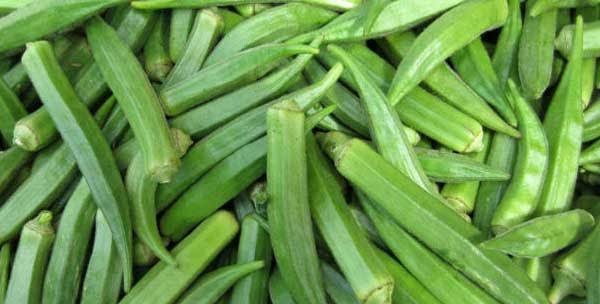
Despite the harsh economic climate, many Nigerians are actively seeking investment opportunities that can generate extra income. Okro farming has emerged as one of the most practical and profitable options. The vegetable remains a staple in households, restaurants, and local markets, ensuring steady demand throughout the year. With proper planning, even small plots of land can produce significant yields, while careful attention to planting cycles, soil fertility, and pest control can help maximize profits without requiring huge capital.
Okro farming also offers opportunities to scale and diversify income streams. Selling in bulk to restaurants, supermarkets, and food vendors commands higher prices than roadside sales, while processing options such as drying, freezing, or packaging okro can create added value. For those willing to invest time, effort, and strategy, okro farming is more than a survival tactic, it is a reliable pathway to financial growth, even amid economic challenges.
One of such opportunities lies in the okro value chain. Investment options within the okro value chain include farming, nursing and nurturing planted crops, harvesting pods and seeds after three to four months, transporting produce to markets, and supplying final consumers.
With the rapid expansion of eateries, food vendors and hospitality businesses across the country, demand for fresh vegetables has increased significantly. Leveraging this growing market by investing in the okro value chain can yield steady returns within four to five months.
Beyond its edible value, okro also presents opportunities for processing into cosmetics and other industrial products, further expanding its income potential.
Speaking to LEADERSHIP, Mr Wale Adetunji, a civil servant based in Ondo State, explained that investing as little as N50,000 in okro farming or buying harvested produce for resale to eateries and hotels could generate up to N2 million in revenue within four months.
According to him, okro reaches maturity within three to four months, allowing investors to plant and harvest up to three times a year.
“An investor can also become an employer of labour across different segments of the value chain,” Adetunji said.
“However, okro, like other vegetables, requires cool temperatures after harvest to reduce spoilage. Proper planning is key, especially for those focusing on marketing and distribution to end users.”
He added that marketing okro directly to consumers and food businesses often requires additional hands, making the venture not only profitable but also a source of employment.
As the economic situation continues to strain both the employed and unemployed, diversification into food production and agribusiness remains a viable and sustainable way to earn additional income.
Okro is widely cultivated and consumed in several states, including Rivers, Delta, Bayelsa, Akwa Ibom, Cross River and Edo States, making it one of the most accessible vegetables for small-scale and medium-scale investors.
We’ve got the edge. Get real-time reports, breaking scoops, and exclusive angles delivered straight to your phone. Don’t settle for stale news. Join LEADERSHIP NEWS on WhatsApp for 24/7 updates →
Join Our WhatsApp Channel