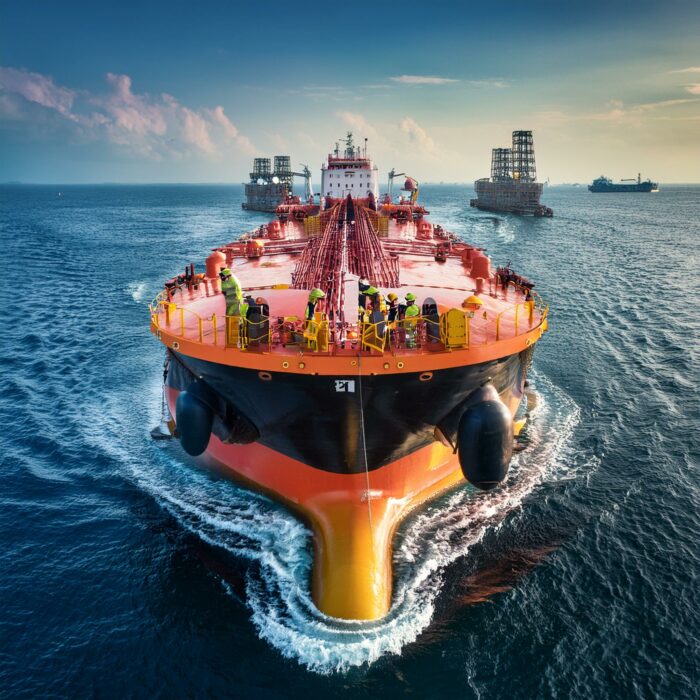
The NIPCO Group has announced plans to develop a Floating Liquefied Natural Gas project in Nigeria with an estimated investment in excess of $3 billion, in what promises to be a major breakthrough for Nigeria’s gas economy.
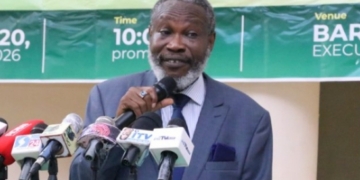
The historic announcement was made by the Managing Director of NIPCO Gas Ltd, Nagendra Verma.
Verma disclosed that the proposed project, which will mark NIPCO’s strategic entry into the Liquefied Natural Gas sector, is being considered for locations in the Escravos area of Delta State and the Akwa Ibom region.
This investment decision is coming as stakeholders in the oil and gas companies have pointed to the need to improve on security of investment in the oil and gas industry as Nigeria sustains fiscal reforms to improve energy efficiency as well as accelerate economic recovery.
The Federal Government and stakeholders in the oil and gas sector agreed that policy stability, regulatory certainty and factual reporting are essential to sustain investment in Nigeria’s petroleum industry amid the global energy transition.
“This proposed development is envisaged to comprise an FLNG facility along with associated marine and export infrastructure with the potential to serve both the international LNG market and growing domestic LNG demand in Nigeria.
The proposed development , s expected to represent a significant investment currently estimated in excess of $3bn,” Verma stated.
He explained that the final location will be determined after the ongoing feasibility study, stressing that the Group is looking at strategic locations that will facilitate access to upstream gas resources, LNG processing, marine transportation and both international and domestic markets.
According to him, NIPCO has been evaluating the project for the past six to nine months and is currently undertaking preliminary technical, commercial and feasibility assessments covering upstream gas supply and reserves, FLNG technology and configuration, LNG production capacity, marine and export infrastructure, domestic supply opportunities, shipping and logistics, project economics and financing structure.
He said the proposed facility is envisaged to produce approximately 3 million metric tonnes per annum, subject to feasibility studies, regulatory approvals and Final Investment Decision, while NIPCO is also evaluating shipping and logistics infrastructure required to support both export and domestic LNG supply.
Verma said NIPCO Group is one of Nigeria’s leading integrated energy and infrastructure groups with investments spanning downstream oil and gas, natural gas distribution, CNG, LPG, propane, pipeline infrastructure, logistics, retail and hospitality, having over the years developed a significant energy infrastructure footprint across Nigeria .
He recalled that the has invested approximately US$2 billion in the country’s oil and gas sector covering pipeline infrastructure, CNG facilities, fuel retail outlets, AGO and PMS infrastructure, LPG and propane facilities, logistics and distribution networks, among other energy-related investments.
The presence of Chairman Chief Bestman Anekwe at the briefing alongside the top hierarchy including it’s Group Executive Director, Corporate Services Alhaji Abdulkadir Aminu and the Company Secretary ,Paul Obi ,SAN underscored the strategic importance the Group inaugurated 22 years ago attaches to this new frontier.
Equally, Nigeria’s ability to sustain its position in the global liquefied natural gas (LNG) market and advance domestic gas projects will depend on production-ready infrastructure, operational efficiency and timely project execution, Iretomiwa Odusote, a Regional Segment Leader for Energies and Chemicals in West Africa has said.
Odusote made the remarks in an opinion article examining the future of West Africa’s gas industry where she argued that the region’s substantial gas resources would need to be matched by infrastructure capable of supporting rapid project development and sustained production.
“Possessing abundant gas reserves alone is no longer enough. Operators are under increasing pressure to commercialise projects rapidly and generate returns on significant capital investments. Success will be measured by three key outcomes: speed to first gas, operational safety and reliability, and sustained production efficiency over the life of the asset,” he said.
Nigeria remains a major player in the global LNG market while pursuing domestic gas-to-power projects to support power generation and economic development.
According to the World LNG Report 2026 of the International Gas Union, cited by Odusote, Nigeria is the world’s seventh-largest LNG exporter, accounting for 3.4 per cent of global LNG exports
We’ve got the edge. Get real-time reports, breaking scoops, and exclusive angles delivered straight to your phone. Don’t settle for stale news. Join LEADERSHIP NEWS on WhatsApp for 24/7 updates →
Join Our WhatsApp Channel