
The Independent National Electoral Commission (INEC) has attributed the inclusion of suspected artificial intelligence-generated photographs and other questionable entries in its preliminary voters’ register to misconduct by some registration officers.
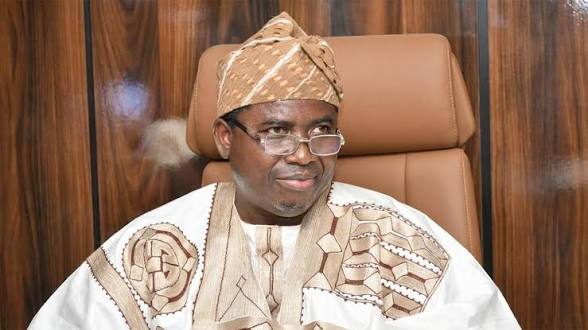
The commission’s Director of Information and Communication Technology, Dr Lawrence Bayode, disclosed this on Friday during an interview on Arise Television, explaining that some field officers allegedly exploited their system access to introduce irregularities into the voter database.
According to Bayode, the commission uncovered the questionable entries through its Automated Biometric Identification System (ABIS), which was used to scrutinise registration records and identify anomalies.
He said the irregularities were not limited to a particular state, as officers in different parts of the country were implicated.
“We have registration officers on the field. And these registration officers, they have login details to log into the system.
“So what we have found is that some of these registration officers, not all of them now, some of them across the states nationwide, they’ve done different things to bring these irregularities onto the register,” he said.
Bayode explained that although some of the flagged photographs appeared to have been generated using artificial intelligence, others resulted from substandard registration practices.
“Some of these pictures are AI-generated. Some of them not AI-generated, but very bad registration. And this thing got into the register by the registration officers because they have access to register people,” he said.
The ICT director said INEC had identified the affected records and traced how some of the irregularities were introduced into the system.
However, he noted that the commission had yet to establish the motives behind the actions of the officers responsible.
“When the ABIS was run on the system, we saw these people. We know what they did. We know how they did it. But honestly, I don’t know why,” Bayode added.
He said the commission had commenced a process to sanitise the register ahead of the publication of its preliminary version, adding that the exercise was being conducted within the legally prescribed 90-day period.
The disclosure follows growing public criticism over suspicious photographs and other alleged discrepancies in the preliminary voters’ register that INEC uploaded to its website on October 26.
Screenshot images shared across social media platforms had drawn attention to voter records containing photographs suspected to be AI-generated, particularly in parts of Edo State.
The controversy has also been accompanied by allegations of duplicate registrations and complaints from some voters who said they could not find their details on the online register.
We’ve got the edge. Get real-time reports, breaking scoops, and exclusive angles delivered straight to your phone. Don’t settle for stale news. Join LEADERSHIP NEWS on WhatsApp for 24/7 updates →
Join Our WhatsApp Channel