
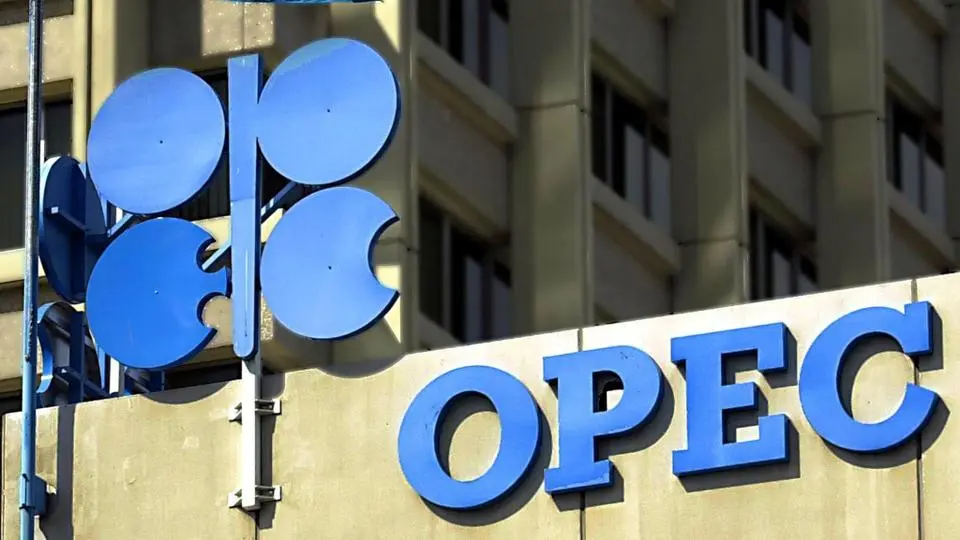
The Chartered Risk Management Institute of Nigeria (CRMI) has issued a policy advisory in response to the United Arab Emirates (UAE’s) decision to exit the Organisation of the Petroleum Exporting Countries (OPEC), effective May 1, 2026.
The registrar/CEO of CRMI, Victor Olannye, in a statement, said the development signalled a major shift in global oil governance, potentially leading to increased market volatility, geopolitical tensions and energy supply chain disruptions.
“CRMI advises corporate members, public sector institutions, financial institutions and individual risk professionals to reassess their risk management strategies and strengthen institutional resilience,” he said.
Olannye highlighted key risks to include structural breakdown of OPEC’s cohesion, oil price volatility, geopolitical instability, energy supply chain disruptions, macroeconomic uncertainty, contagion risk of other member states exiting OPEC.
Implications for Nigeria according to the registrar include increased production flexibility, potential market share expansion, and enhanced revenue prospects.
He added that there is going to be exposure to price volatility, reduced supply management protection, heightened competition, and fiscal instability.
Olannye highlighted policy directives to corporate organisations to ensure they implement robust risk management frameworks, adopt dynamic hedging strategies, and diversify business portfolios while calling on Financial Institutions and Investors to Reassess energy-related risks, strengthen portfolio diversification, and enhance risk disclosure
He called on public sector and policymakers to strengthen fiscal buffers, accelerate economic diversification and promote renewable energy transition.
For individual risk professionals, the CRMI is advocating upskill in geopolitical risk analysis and energy economics, development of expertise in scenario planning and predictive analytics.
CRMI urged stakeholders to proactively reposition their strategies to navigate this evolving geo- economic environment.
“ The Institute anticipates possible scenarios, including fragmentation of global oil governance structures, increased market-driven oil pricing mechanisms, and acceleration of global energy transition initiatives,” the CRIMI boss added.
We’ve got the edge. Get real-time reports, breaking scoops, and exclusive angles delivered straight to your phone. Don’t settle for stale news. Join LEADERSHIP NEWS on WhatsApp for 24/7 updates →
Join Our WhatsApp Channel