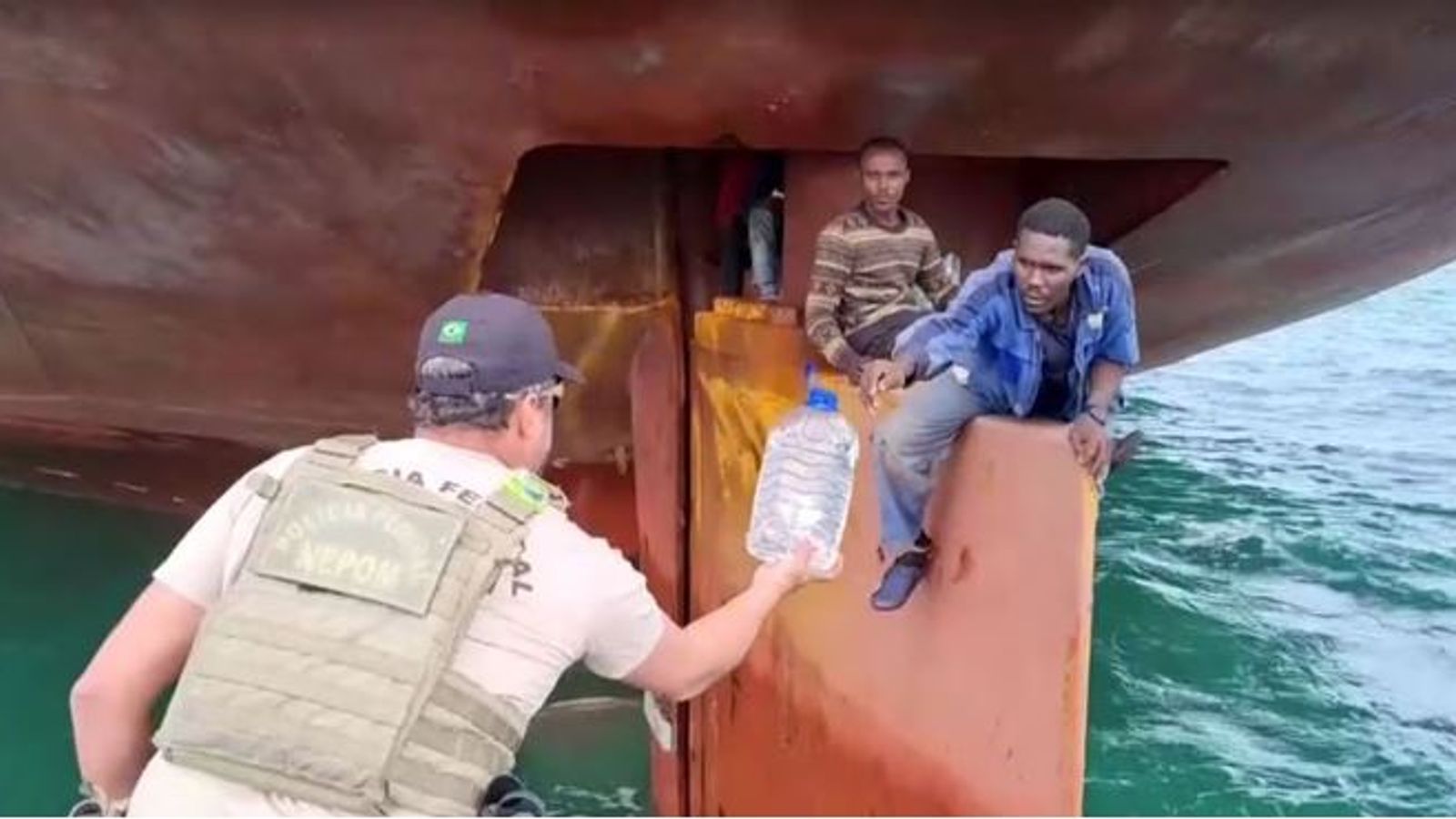
In a bid to travel out of Nigeria illegally, the Shipping Association of Nigeria (SAN) on Friday raised the alarm that shipping lines operating into the nation’s seaports record more than 2,300 stowaways annually.
LEADERSHIP reports that a stowaway is a person who secretes him/herself in a ship without the consent of the shipowner or the person in charge, and who is on board once the ship has left port.
However, speaking to newsmen, the chairman of SAN, Boma Alabi, said stowaway incidents have become a growing concern for shipping companies in Nigeria, especially when compared to other countries in West and Central Africa.
Alabi, who is also the president of the Shipping, Shipping Agencies, Clearing and Forwarding Employers Association (SSACFEA), noted that the persistence of stowaway cases at Nigerian ports is largely due to weak laws and the failure of relevant agencies to prosecute offenders.
According to her, “Stowaways arrested or repatriated are not prosecuted; rather, they are released, thereby creating no deterrence to others, which means they continue doing it because there is no deterrence or sanction.”
She explained that each shipping line records between two and three stowaway incidents weekly, adding that about 15 container shipping lines operating in Nigeria are affected.
“Each shipping line experiences about two to three stowaway incidents every week by 15 container shipping lines. Imagine how a vessel moves: you’ve loaded at the port with your lower deck effective with cargo and you have your rudder at the bottom part with your pilot, your crew, captain, and everybody on board, and once I am moving, I can’t see down except what my mirror shows me, and the rudder is necessary for movement.
“There is a space there. I do not see when these little fishing vessels come beside my boat and people jump on.
“So, how am I supposed to react? That’s why you are supposed to be patrolling the waterways for me and stopping these people from coming too close to my vessel,” she said.
Alabi added that the situation is unique to Nigeria, stressing that vessels calling at ports in Tema (Ghana), Lome (Togo) or Cotonou (Benin Republic) do not face such challenges.
“These things do not happen in other ports across West and Central Africa. These vessels call in Tema, Ghana, Lome, Togo, and even Cotonou Port, and they don’t have this problem. This problem is peculiar to our waters. Meanwhile, we’re paying these agencies for the safety of the vessels and they’re collecting their payment in U.S. dollars, again, dollarising the economy, and yet, you’re not providing the service they are charging for.
“They are putting Nigerian lives at risk because these stowaways, some of them lose their lives in the process. And it’s out of ignorance. So, the government owes them a duty to prevent them from taking such risks to their lives.”
She emphasised that shipping is a critical part of Nigeria’s economy and must be taken more seriously by authorities.
“We have agencies of government saddled with responsibilities and we expect them to work efficiently as they do in other countries because when they’re not working efficiently, it affects all of us. What affects the maritime sector affects every Nigerian because this sector is an essential part of our day-to-day living.
“If you’re in manufacturing in Nigeria, you’re moving your raw materials into the country by sea. The only thing that generally travels by air are passengers and light cargo, as everything else is coming by sea or going out by sea. So, I’m doing my agricultural commodities and taking them out, among others, and inefficiencies impact the quality of my exports and my competitiveness in comparison to my neighbors.”
Alabi also linked inefficiencies to the high rejection rate of Nigerian agricultural exports.
“For instance, why is there such a high rejection rate of Nigerian agricultural produce? Because we have so many delays, and by the time I load my container in Nigeria and it takes me six to eight weeks to get it out of the country, my competitors have come and gone immediately, but ours take over two weeks to get there. So, these inefficiencies from our government agencies must end, and they have a duty to do it right and to do it efficiently.”
We’ve got the edge. Get real-time reports, breaking scoops, and exclusive angles delivered straight to your phone. Don’t settle for stale news. Join LEADERSHIP NEWS on WhatsApp for 24/7 updates →
Join Our WhatsApp Channel